Behavior
What should I do if my Collie (Rough Collie) has a reaction to anesthesia?
If your Collie shows any unusual signs after anesthesia, contact your vet immediately for advice and assessment.

Quick answer
What should I do if my Collie (Rough Collie) has a reaction to anesthesia?
If your Collie shows any unusual signs after anesthesia, contact your vet immediately for advice and assessment.
Collie (Rough Collie) anesthesia sensitivity is a serious concern for owners.
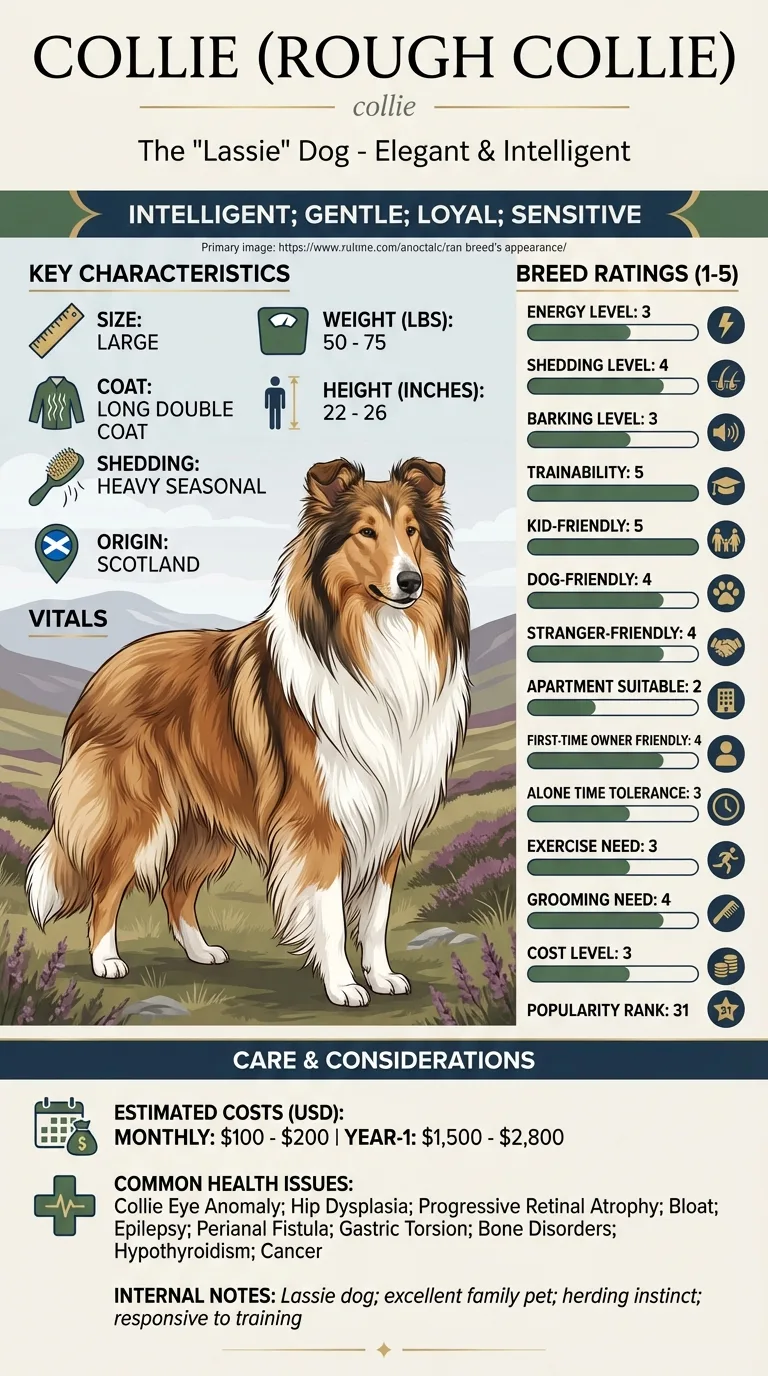
Owners of Collies often face this challenge, especially those planning surgeries or routine vet visits. New dog parents or those with a history of health issues in their pets may feel particularly anxious about anesthesia.
This guide is not medical advice. If your dog shows pain, sudden behavior change, or worsening symptoms, consult a licensed veterinarian.
Some links may be affiliate links. We may earn a commission at no extra cost to you. We only suggest products we believe are helpful for dog owners.
We research and check what we publish, but we do not warrant that any figure, date, price, or statement is accurate, complete, or current, and we accept no liability for any loss, cost, injury, or other harm arising from the use of this site. Use it as one reference among several. You remain responsible for your own decisions and for your dog's care - confirm anything that matters with a licensed veterinarian or another qualified professional before you act on it. Full disclaimer.
Check this first
Recognizing when anesthesia sensitivity in your Collie (Rough Collie) is an emergency can save their life. If your dog shows severe reactions like difficulty breathing, excessive drooling, or loss of consciousness after anesthesia, you need to call your vet immediately. These are red-flag signs that indicate a serious reaction that requires urgent care.
On the other hand, if your Collie exhibits mild symptoms such as temporary disorientation, slight lethargy, or minor vocalizations, these can often be monitored at home. Make sure to keep a close eye on your dog in these cases. Document their behavior and consult your vet if symptoms persist beyond a few hours or worsen.
Always err on the side of caution. If you're unsure about your dog's condition, don't hesitate to reach out to a veterinarian. They can provide guidance based on the specific situation and help determine if emergency intervention is necessary.
If any of these apply, call your vet or an emergency clinic now. The rest of this page is for the cases that are not an emergency.
Collie (Rough Collie) anesthesia sensitivity can pose serious challenges for both the dog and its owner. This condition means that your Collie may react unusually to anesthetic drugs, which can happen during routine procedures like spaying or dental cleanings. Owners may notice that their dog takes longer to recover from anesthesia or exhibits unexpected side effects.
Anesthesia sensitivity is relatively common among Collies. Many owners report that their Collie may experience heightened sensitivity, leading to longer recovery times or increased side effects compared to other breeds.
Collies, particularly the Rough Collie, can have a genetic predisposition to anesthesia sensitivity. This breed's unique metabolism may cause them to react differently to anesthetic drugs compared to other dogs. Their sensitivity can also be linked to certain inherited health issues that affect how their body processes medications.
Environmental factors can also contribute to anesthesia sensitivity. If a Collie is stressed or anxious before a procedure, it may amplify their reaction to anesthesia. Additionally, exposure to toxins or poor health can lead to an increased sensitivity to anesthetic drugs.
If you notice persistent signs of anesthesia sensitivity, like prolonged recovery times or unusual reactions post-anesthesia, discuss these with your vet. They can help adjust your dog's treatment plan or recommend alternative options.
Avoiding these common mistakes can help improve your Collie’s anesthesia sensitivity. Here are some behaviors to steer clear of.
Start here: Collie Most Common Genetic Disorders: What to Screen For
See all Collie health problems, which breeds are prone to anesthesia sensitivity, or the full Collie breed guide for temperament, exercise needs and ownership costs.
It may take several weeks to months of consistent care and management to see improvements in your Collie's anesthesia sensitivity.
Success means your Collie can undergo necessary veterinary procedures with minimal stress and a reduced risk of adverse reactions.
Sarah, a busy nurse in Seattle, was worried about her Collie, Bella, who showed severe anxiety when it was time for vet visits. Bella's anxiety peaked during anesthesia, causing Sarah sleepless nights leading up to appointments. After talking to her vet, Sarah learned about anxiety sensitivity and began a training plan that included desensitization techniques and calming exercises. Gradually, Bella became more relaxed with the vet visits, and Sarah felt more confident about Bella’s health needs.
Key takeaway: With patience and the right training techniques, you can help your Collie manage anesthesia sensitivity, making vet visits less stressful for both of you.
Collie (Rough Collie) anesthesia sensitivity is often linked to their genetic makeup. This breed has a higher likelihood of having adverse reactions to anesthetic drugs due to their unique biology. Always consult your vet to discuss any concerns regarding anesthesia before procedures.
To prepare your Collie for anesthesia, ensure they are healthy and inform your vet about any past reactions. Provide a complete medical history, including medications and health issues. A thorough physical examination will help your vet determine the safest anesthesia plan.
Signs of anesthesia sensitivity in Collies can include prolonged recovery times, unusual behavior post-anesthesia, and respiratory issues. If your Collie seems lethargic or has difficulty waking up after a procedure, contact your vet immediately. Early recognition can prevent serious complications.
While you can't eliminate anesthesia sensitivity, you can minimize risks by using tailored anesthesia protocols. Work closely with your vet to choose safer drugs and consider pre-anesthetic blood tests. Regular check-ups can also help detect any underlying health issues.
For Collies with anesthesia sensitivity, alternatives may include sedation instead of general anesthesia for minor procedures. Discuss options with your vet to find the safest approach for your Collie, ensuring a balance between effective treatment and minimizing risks.
Yes, older Collies may have an increased sensitivity to anesthesia due to age-related health issues or decreased organ function. Always inform your veterinarian about your dog's age and health status before any procedure requiring anesthesia.
It's crucial to discuss your Collie's anesthesia sensitivity with your veterinarian ahead of time. They may recommend specific blood tests or adjustments in medication to ensure a safer procedure for your dog.
To help manage anesthesia sensitivity, ensure your Collie is at a healthy weight and maintain regular vet check-ups. Additionally, discuss any concerns about anesthesia with your vet, who may suggest alternative medications or methods.
If your Collie experiences a bad reaction to anesthesia, such as excessive vomiting or difficulty breathing, seek immediate veterinary care. Prompt attention can help address any serious complications and ensure your dog receives the proper treatment.
If your Collie shows any unusual signs after anesthesia, contact your vet immediately for advice and assessment.
Ensure your Collie is in a quiet, comfortable space with minimal distractions to aid in recovery. Keep an eye on their behavior and appetite.
The cost of anesthesia for a Collie can vary widely, typically ranging from $100 to $300, depending on the procedure and facility.
Avoid anesthesia if your Collie has known health issues or a history of adverse reactions. Always discuss risks with your vet beforehand.
A one-page prep sheet for this condition: the signs, the questions to ask, what to get priced. Unlocks here.
You get: Vet visit prep sheet
No spam. One-click unsubscribe. See our privacy policy.
Preview page 1 before you decide.