Behavior
What are quick tips for Cocker Spaniel x-scid?
Keep your Cocker Spaniel indoors as much as possible, limit exposure to other animals, and maintain a clean living environment.

Quick answer
What are quick tips for Cocker Spaniel x-scid?
Keep your Cocker Spaniel indoors as much as possible, limit exposure to other animals, and maintain a clean living environment.
Cocker Spaniel x-scid is a severe genetic condition that affects your dog's immune system.
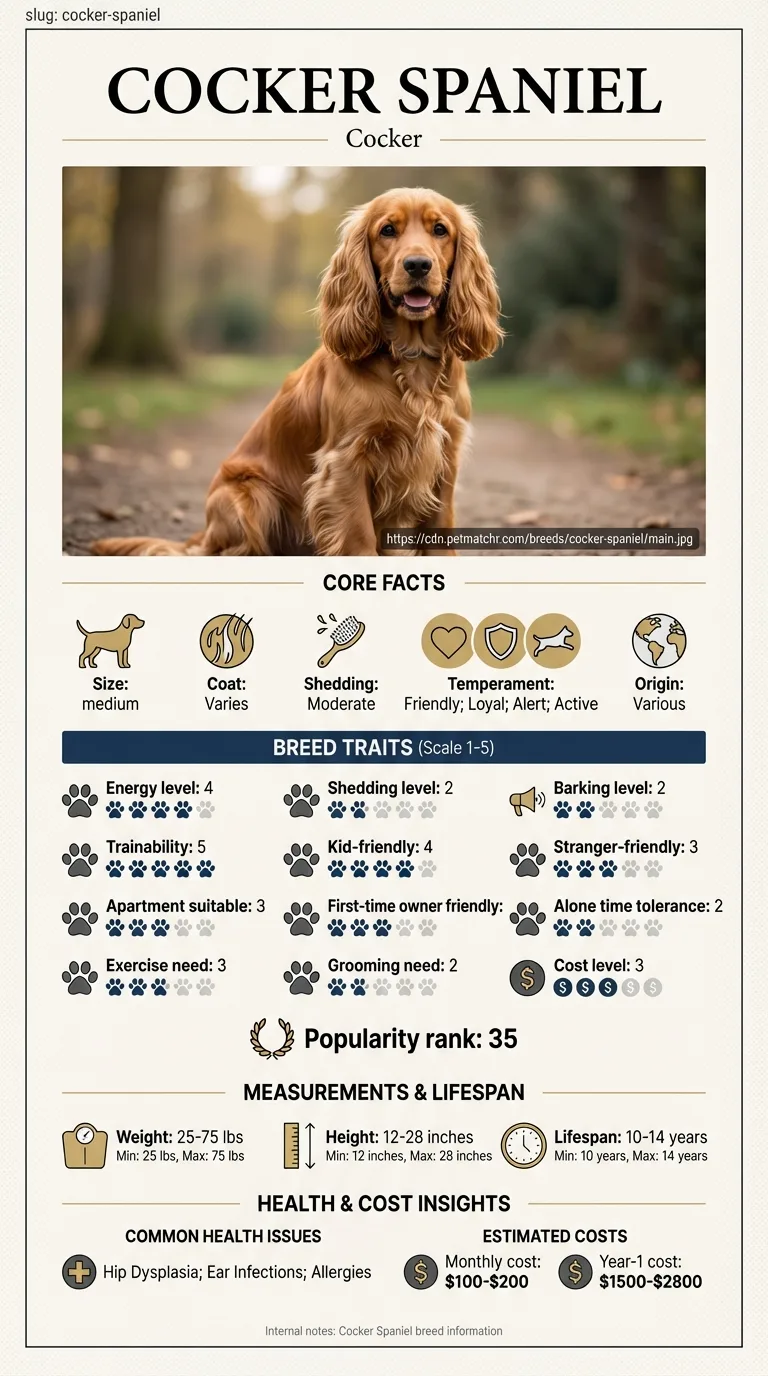
Owners of Cocker Spaniels may face this challenge, especially those who are not aware of the symptoms or how to manage the condition effectively.
This guide is not medical advice. If your dog shows pain, sudden behavior change, or worsening symptoms, consult a licensed veterinarian.
Some links may be affiliate links. We may earn a commission at no extra cost to you. We only suggest products we believe are helpful for dog owners.
We research and check what we publish, but we do not warrant that any figure, date, price, or statement is accurate, complete, or current, and we accept no liability for any loss, cost, injury, or other harm arising from the use of this site. Use it as one reference among several. You remain responsible for your own decisions and for your dog's care - confirm anything that matters with a licensed veterinarian or another qualified professional before you act on it. Full disclaimer.
Check this first
Recognizing when your Cocker Spaniel with X-SCID needs immediate veterinary attention can be crucial. There are clear signs that indicate an emergency versus situations you can monitor at home. If your dog shows symptoms such as persistent vomiting, severe diarrhea, difficulty breathing, or lethargy, these are red flags that require you to call your vet right away. X-SCID can lead to rapid health deterioration, and timely intervention is essential.
Milder cases might include occasional sneezing, minor coughs, or slight changes in appetite. While these symptoms may stem from various causes, they can often be managed at home. You can create a monitoring plan that involves observing your dog's behavior and noting any changes. If the symptoms do not resolve within a day or worsen, it’s best to consult your vet.
Always trust your instincts as a pet owner. If something feels off, it’s better to err on the side of caution. Having a good relationship with your veterinarian and an understanding of your dog's baseline behavior will help you make informed decisions about when to call for help.
If any of these apply, call your vet or an emergency clinic now. The rest of this page is for the cases that are not an emergency.
Cocker Spaniel x-scid, or X-Severe Combined Immunodeficiency, is a rare but serious condition affecting the immune system of Cocker Spaniels. Dogs with this condition struggle to fight off infections, which can lead to frequent illnesses and a need for constant veterinary care. Daily life for these dogs can be challenging, requiring extra attention and precautions to keep them healthy.
X-scid is quite rare among Cocker Spaniels, but it can occur. It's crucial for owners to be aware of their dog's health and consult their vet if they notice any concerning symptoms.
Cocker Spaniels may be prone to X-SCID due to genetic factors. This breed has an inherited condition that weakens the immune system, making them more susceptible to infections. Understanding this trait is crucial for managing their health effectively.
Environmental factors can also play a role in the severity of X-SCID symptoms. Stressful situations, such as moving to a new home or changes in routine, can exacerbate their condition. Additionally, exposure to other sick animals can increase the risk of infections.
Consult your vet if you notice signs of illness, such as frequent infections or unusual lethargy. They can offer specific treatment options and advice for managing X-SCID effectively.
Avoiding these common mistakes can significantly improve your Cocker Spaniel's situation with x-scid.
Start here: Cocker Spaniel Most Common Genetic Disorders: Screening
See all Cocker Spaniel health problems, which breeds are prone to x scid, or the full Cocker Spaniel breed guide for temperament, exercise needs and ownership costs.
Expect to see improvements in behavior within 4 to 6 weeks of consistent care and follow-up with your vet.
Success means your Cocker Spaniel x-scid is more comfortable being alone, displays less anxiety, and engages positively with both you and their environment.
When Sarah adopted Bella, her Cocker Spaniel, she quickly noticed that Bella displayed signs of severe anxiety whenever left alone. This often led to destructive behavior, including chewing furniture and barking excessively. After researching ways to address these issues, Sarah discovered the importance of a consistent routine and positive reinforcement training. With the help of an online course focused on Cocker Spaniel x-scid training, Sarah started implementing short, positive training sessions daily, gradually increasing Bella's alone time in a safe space. Over the next few weeks, Bella began to relax and even started playing with her toys while Sarah was out. The transformation was heartwarming.
Key takeaway: Patience and consistent training can significantly reduce anxiety in Cocker Spaniels, helping them feel secure and happy.
Cocker Spaniel x-scid, or severe combined immunodeficiency, is a rare genetic disorder. It occurs when the immune system is not fully developed, making your dog susceptible to infections. If your Cocker shows signs of illness, consult your vet for a proper diagnosis.
To support a Cocker Spaniel with x-scid, provide a safe environment free from infections. Regular vet check-ups are crucial, and your vet may suggest specific vaccinations or treatments to help manage the condition.
Signs of x-scid can include frequent infections, poor growth, and chronic diarrhea. If you notice any unusual symptoms, it's essential to see a vet promptly for evaluation.
Currently, there is no cure for x-scid, but management is possible. Your vet may recommend supportive care, including medications to control symptoms and prevent infections.
To prevent complications from x-scid, keep your Cocker Spaniel away from sick animals and crowded places. Regular vet visits and a healthy diet can also help maintain their overall health.
Yes, x-scid is a genetic condition. It's important to discuss the risks with breeders and consider genetic testing if you plan to breed your Cocker Spaniel.
While some care can be managed at home, Cocker Spaniel x-scid requires professional veterinary treatment. Regular vet visits and medications are essential to help manage symptoms and improve your dog's quality of life.
If your older Cocker Spaniel shows signs of x-scid, seek veterinary advice immediately. Early intervention can help manage symptoms and provide your dog with a better quality of life.
While there's no specific diet for Cocker Spaniels with x-scid, a balanced diet rich in nutrients can support their overall health. Consult your vet for personalized dietary recommendations that suit your dog's needs.
Keep your Cocker Spaniel indoors as much as possible, limit exposure to other animals, and maintain a clean living environment.
Caring for a Cocker Spaniel with x-scid can be costly due to frequent vet visits and potential treatments, usually ranging from $100 to $200 monthly.
A high-quality, balanced diet is crucial for a Cocker Spaniel with x-scid to help boost their immune system and overall health.
A one-page prep sheet for this condition: the signs, the questions to ask, what to get priced. Unlocks here.
You get: Vet visit prep sheet
No spam. One-click unsubscribe. See our privacy policy.
Preview page 1 before you decide.