Behavior
What should I do if my Cocker Spaniel has a bleeding injury?
If your Cocker Spaniel has a bleeding injury, apply gentle pressure to the wound and keep your dog calm. Contact your veterinarian immediately for further assistance.
Cocker Spaniel von Willebrand's Disease (vWD1) is a genetic bleeding disorder that can impact your dog's health significantly. Understanding this condition is crucial for any Cocker owner.
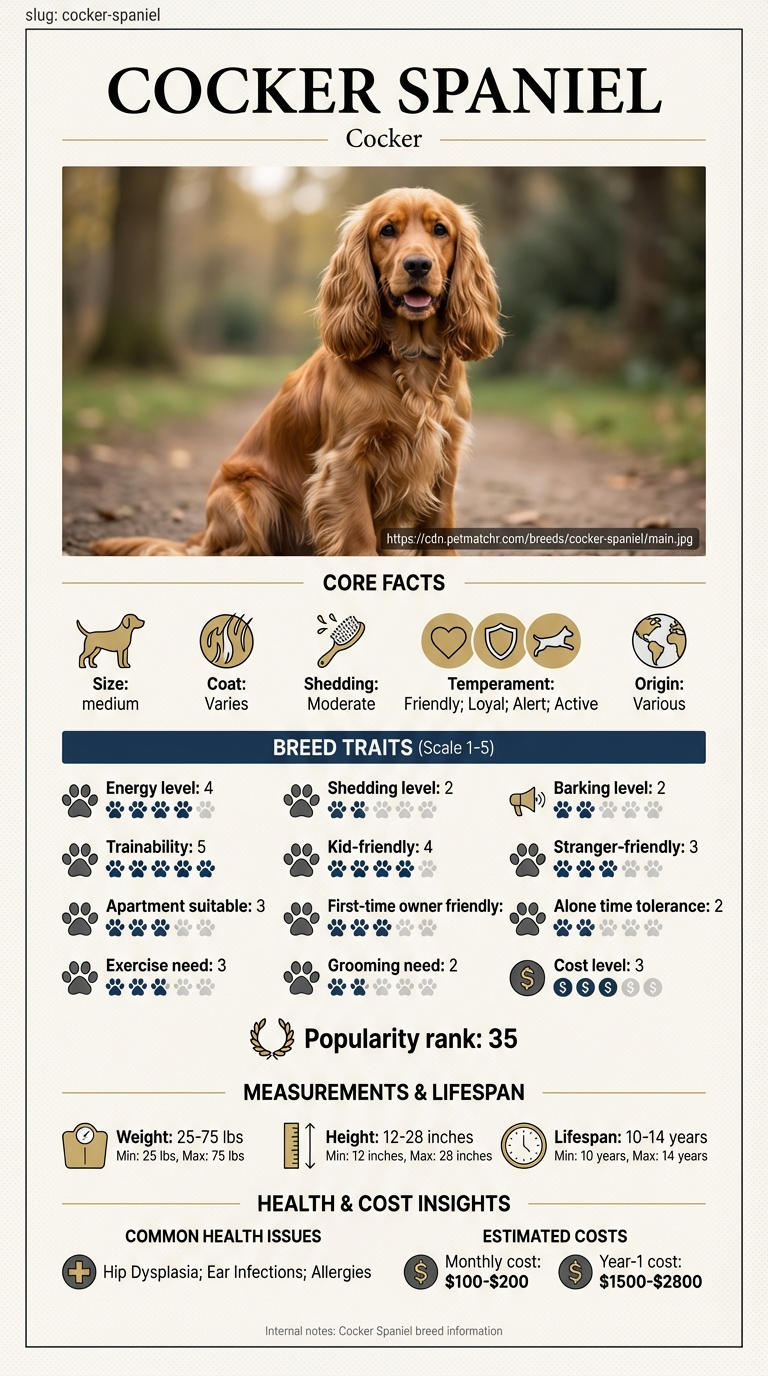
Typically, first-time Cocker Spaniel owners or families who are not familiar with breed-specific health issues might struggle with this disease. Those living in active households, where their dogs might get injured more often, should also pay particular attention.
This guide is not medical advice. If your dog shows pain, sudden behavior change, or worsening symptoms, consult a licensed veterinarian.
Some links may be affiliate links. We may earn a commission at no extra cost to you. We only suggest products we believe are helpful for dog owners.
Cocker Spaniel von Willebrand's disease (vWD1) is a genetic bleeding disorder that affects your dog's ability to clot blood. This can lead to excessive bleeding from minor injuries, and in some cases, spontaneous bleeding. Daily life with a Cocker Spaniel experiencing vWD1 can be stressful, as owners must be vigilant about potential injuries and manage any bleeding episodes effectively.
Von Willebrand's disease is relatively common in Cocker Spaniels compared to other breeds. It's estimated that around 25% of Cocker Spaniels may carry the gene for vWD1, making it an important health concern for this breed.
Cocker Spaniels are prone to von Willebrand's disease (vWD1) due to their genetic makeup. This inherited condition affects their blood's ability to clot properly. As a result, they may experience excessive bleeding and bruising.
While vWD1 itself is genetic, environmental factors can exacerbate the condition. Stressful situations, injuries, or surgeries can lead to bleeding episodes in affected dogs, making it crucial to manage their environment carefully.
If your Cocker Spaniel shows signs of anxiety or behavioral issues related to their condition, consult a trainer. A professional can help with strategies to build confidence and reduce stress.
Speak to your vet if you notice excessive bleeding, bruising, or lethargy in your Cocker Spaniel. Regular check-ups are essential to monitor their condition and adjust care plans as needed.
Managing Cocker Spaniel von Willebrand's disease (vWD1) is an ongoing process. Initial adjustments and training may take several weeks, with consistent care and monitoring over time.
Success means reducing bleeding episodes through careful management, regular vet check-ups, and understanding your dog's needs. A well-managed dog will lead a happy, active life with minimal complications.
Avoid these common mistakes that can worsen your Cocker Spaniel's von Willebrand's disease (vWD1) and delay improvement.
Understanding when Cocker Spaniel von Willebrand's disease (vWD1) is an emergency can save your dog's life. If you notice excessive bleeding from minor cuts, prolonged bleeding from the gums, or blood in urine or stool, these are red flags. Other signs to watch for include weakness, lethargy, or difficulty breathing. If any of these symptoms occur, contact your vet immediately.
On the other hand, if your Cocker Spaniel has mild symptoms, such as occasional nosebleeds or minor bruising, you may monitor their condition. Keep track of any changes in their bleeding tendencies and maintain regular vet appointments. You can also discuss training techniques to help manage their behavior and health needs. However, don’t hesitate to reach out to your vet if you're ever in doubt about your dog's health.

Emma, a devoted Cocker Spaniel owner, noticed her dog Max had unusual bleeding after minor scrapes. After a vet visit, she learned Max had von Willebrand's disease (vWD1). Initially overwhelmed, Emma quickly became proactive. She enrolled in a training course that focused on managing his condition. With her new knowledge, she adjusted Max’s playtime to avoid rough activities. By closely monitoring his health and attending regular vet check-ups, Emma learned to spot signs of potential bleeding. Over time, her careful efforts paid off, and Max thrived without major issues.
Key takeaway: Staying informed and proactive about Cocker Spaniel von Willebrand's disease (vWD1) makes a significant difference in managing your dog's health and well-being.
Cocker Spaniel von Willebrand's disease (vwd1) is a genetic bleeding disorder that affects the dog's ability to clot blood. This condition can lead to excessive bleeding from minor injuries or surgical procedures. It is important to get a proper diagnosis from a veterinarian.
Cocker Spaniel von Willebrand's disease (vwd1) is inherited and caused by a deficiency in a specific protein that helps blood clotting. If both parents carry the gene, there is a chance their puppies may inherit the condition. Genetic testing can help determine if your dog is at risk.
Managing Cocker Spaniel von Willebrand's disease (vwd1) involves regular veterinary check-ups and monitoring for any bleeding episodes. Avoid situations that could lead to injury and discuss precautions with your vet before any surgeries. In some cases, medication may be prescribed to help with clotting.
Symptoms of von Willebrand's disease in Cocker Spaniels include excessive bleeding, frequent nosebleeds, and prolonged bleeding after cuts or surgeries. Some dogs may also show signs of lethargy or weakness if they have experienced significant blood loss. Monitoring your pet for these signs is crucial.
While there is no cure for Cocker Spaniel von Willebrand's disease (vwd1), treatment focuses on managing symptoms and preventing bleeding episodes. Blood transfusions may be necessary in severe cases. Consult your veterinarian for the best management plan for your dog.
Training a Cocker Spaniel with von Willebrand's disease (vwd1) should focus on positive reinforcement techniques. Keep training sessions short and encourage gentle play to avoid injuries. Consistency and patience are key to helping your dog learn effectively.
If your Cocker Spaniel displays unusual bleeding, such as from the nose or gums, it’s important to contact your vet immediately. Quick action can prevent serious complications related to von Willebrand's disease (vWD1).
Yes, many Cocker Spaniels with von Willebrand's disease (vWD1) can lead normal lives with proper management. Regular vet check-ups and avoiding activities that could cause injury are key to their well-being.
Diagnosis of von Willebrand's disease (vWD1) in Cocker Spaniels typically involves blood tests that assess clotting factors. Your vet may also review your dog's medical history and any symptoms you’ve noticed.
While training techniques for Cocker Spaniels with von Willebrand's disease (vWD1) are generally the same, it's important to avoid overly strenuous activities. Focus on gentle training that promotes good behavior without risk of injury.
The long-term outlook for a Cocker Spaniel with von Willebrand's disease (vWD1) can be positive with careful management. Regular vet visits and proper care can help your dog live a happy, healthy life despite the condition.
If your Cocker Spaniel has a bleeding injury, apply gentle pressure to the wound and keep your dog calm. Contact your veterinarian immediately for further assistance.
You cannot prevent Cocker Spaniel von Willebrand's disease (vwd1) since it is genetic. However, you can avoid breeding dogs that are carriers to reduce the risk in future litters.
Managing a Cocker Spaniel with von Willebrand's disease (vwd1) can vary, but expect to spend around $100 to $200 monthly for vet visits and medications. Costs can increase if emergencies arise.