Behavior
What are quick tips for Cocker Spaniel heat sensitivity?
Ensure your Cocker has access to water and shade at all times. Limit exercise during hot days and consider using cooling products.
Cocker Spaniels can struggle with heat sensitivity, making them vulnerable to overheating. (Cocker Spaniel heat sensitivity)
Owners of Cocker Spaniels, especially those living in warmer climates or those who enjoy outdoor activities, often face this challenge. New dog owners or those unfamiliar with the breed may find it particularly difficult to recognize the signs of heat sensitivity.
This guide is not medical advice. If your dog shows pain, sudden behavior change, or worsening symptoms, consult a licensed veterinarian.
Some links may be affiliate links. We may earn a commission at no extra cost to you. We only suggest products we believe are helpful for dog owners.
Cocker Spaniel heat sensitivity is a serious issue that can affect your dog's well-being. These dogs often struggle in warm weather, showing signs of discomfort when temperatures rise. You might notice your Cocker becoming lethargic, panting excessively, or refusing to go outside during hot days. This problem can lead to heatstroke, which can be life-threatening.
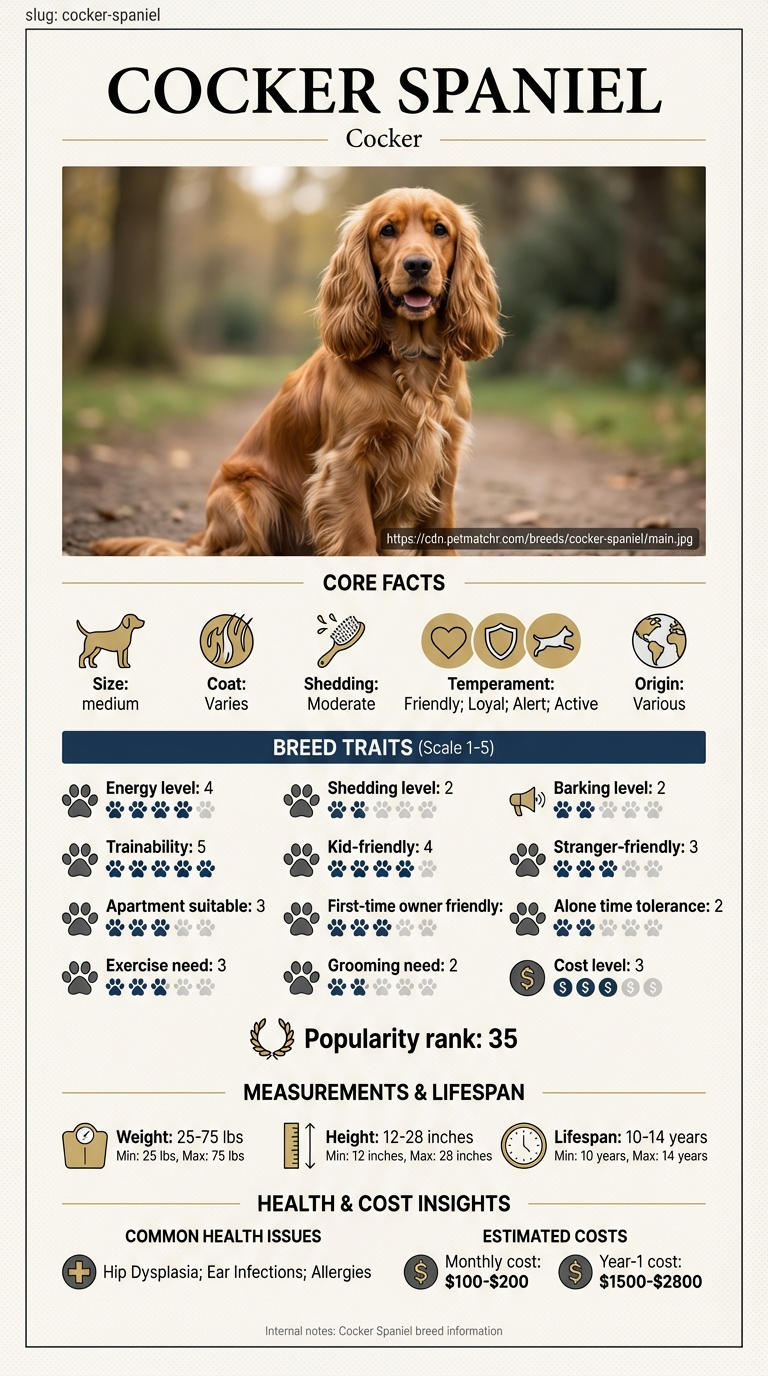
Heat sensitivity is relatively common among Cocker Spaniels, particularly because of their medium size and coat type. They are more prone to overheating compared to some other breeds, making awareness and management crucial for their health.
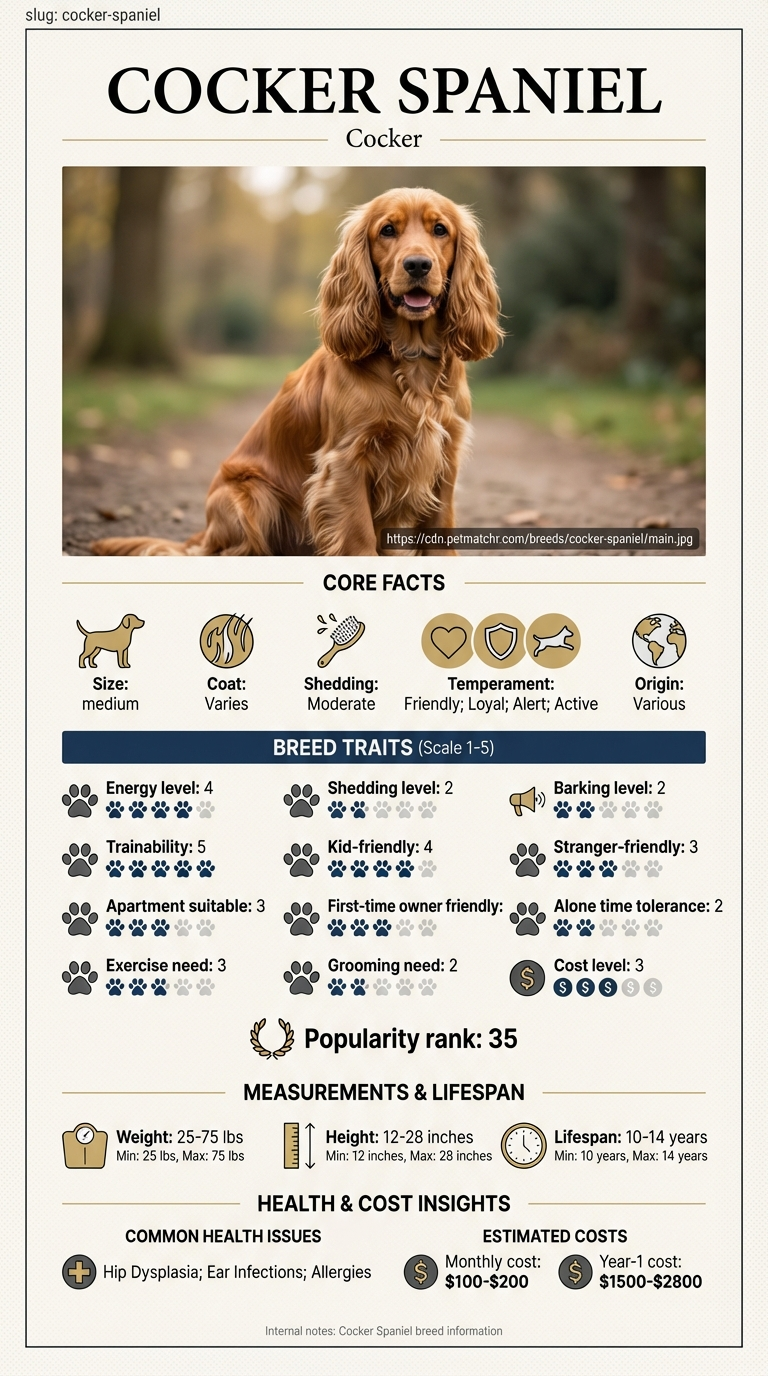
Cocker Spaniels have a medium build which can make them more susceptible to heat sensitivity. Their coat type varies, but many have thick fur that can trap heat. Additionally, their energy level means they enjoy activity, but this can lead to overheating if not managed carefully.
Environmental factors also play a significant role in heat sensitivity. High temperatures, humidity, and lack of shade can exacerbate the issue. If your Cocker spends time in a hot climate or is left outdoors during peak heat, they may struggle more than others.
If your Cocker Spaniel's heat sensitivity leads to behavior issues, such as anxiety or reluctance to go outside, consider consulting a trainer. They can help develop strategies to manage these behaviors effectively.
If your Cocker shows severe signs of heat sensitivity, such as heatstroke symptoms, or if you have concerns about their overall health, it's essential to consult your vet. They can provide guidance specific to your dog's health needs.
Most Cocker Spaniels will show improvement in heat sensitivity within 4 to 6 weeks of consistent training and acclimatization.
Success means your Cocker Spaniel can comfortably enjoy outdoor activities without showing signs of overheating, such as excessive panting, lethargy, or distress.
Avoiding these common mistakes can help improve your Cocker Spaniel's heat sensitivity.
Understanding when your Cocker Spaniel's heat sensitivity becomes an emergency is crucial for their health. If you notice any severe symptoms, it's essential to act quickly and contact your vet. Here are some red-flag signs to watch for that indicate immediate veterinary care is needed.
First, look for signs of heatstroke, which can include excessive panting, drooling, confusion, or vomiting. If your dog collapses or has a seizure, these are clear emergencies. Additionally, if your Cocker Spaniel's body temperature rises above 104°F, it's critical to call your vet right away.
On the other hand, there are cases of heat sensitivity that can be monitored at home. If your dog shows mild signs of discomfort—like panting or seeking shade—that could mean they’re feeling too warm but aren’t in immediate danger. Provide plenty of water and a cool place to rest. Keep an eye on them to ensure their condition doesn’t worsen. If they seem to recover and resume normal behavior, you can continue to monitor them closely. However, always trust your instincts; if you're in doubt, it's better to consult your veterinarian.
When Sarah adopted Bella, her Cocker Spaniel, she quickly noticed that Bella struggled in warm weather. On walks, Bella would pant heavily and seem exhausted after just a short time outside. Sarah realized that Bella’s heat sensitivity was a serious problem, especially during the hot summer months. Determined to help her, Sarah consulted a local trainer who suggested a gradual acclimatization plan. They started with short morning walks in the cooler hours and used plenty of water breaks. Sarah also created a cool indoor space for Bella to retreat to after walks. Over the course of several weeks, Bella became more comfortable in warmer weather. Now, she happily enjoys walks at the park, even when it’s sunny!
Key takeaway: With patience and proper training, you can help your Cocker Spaniel adapt to heat, making outdoor time enjoyable for both of you.
Cocker Spaniels can be sensitive to heat due to their medium size and coat type. Their bodies may struggle to cool down effectively in warm weather. This can make them more susceptible to heat-related issues, including heatstroke.
Signs of heat sensitivity include excessive panting, drooling, lethargy, and difficulty breathing. If your Cocker gets wobbly or collapses, seek immediate help. Always monitor their behavior during hot days.
Provide plenty of water and shade for your Cocker Spaniel. Use fans or air conditioning indoors and avoid exercising them during peak heat hours. Wetting their coat or using cooling mats can also help.
While training won't eliminate heat sensitivity, it can help your Cocker learn to seek cooler spaces. Positive reinforcement for calm behavior in warm conditions is beneficial. Always prioritize their comfort over training.
If you suspect heatstroke, move your Cocker to a cooler place immediately. Offer them water and use cool, wet cloths on their body. Seek veterinary care urgently, as heatstroke can be life-threatening.
While you can't change their sensitivity, you can manage it. Keep your Cocker hydrated, limit outdoor activity in hot weather, and provide a cool environment. Regular vet check-ups can help monitor their health.
Signs of overheating in your Cocker Spaniel include excessive panting, drooling, weakness, and vomiting. If you notice these symptoms, move your dog to a cooler location and offer water. If symptoms persist, contact your vet immediately.
Older Cocker Spaniels may show increased lethargy, decreased interest in exercise, or difficulty cooling down. Keep an eye on them during warm weather, as their ability to regulate body temperature can decline with age.
Yes, Cocker Spaniels are known to have heat sensitivity due to their coat and physical build. Understanding this can help you take preventive measures during hot weather to keep them safe and comfortable.
If your Cocker Spaniel exhibits signs of heatstroke, such as a high heart rate, confusion, or seizures, you should see a vet immediately. Regular check-ups can also help monitor their heat sensitivity and overall health.
While training alone may not eliminate heat sensitivity, you can teach your Cocker Spaniel to respond to cues for seeking shade or water. This can help them cope better in warm conditions and avoid overheating.
Ensure your Cocker has access to water and shade at all times. Limit exercise during hot days and consider using cooling products.
Regular grooming can help manage their coat and reduce overheating. Keep their fur trimmed, especially in warmer months.
Yes, many Cocker Spaniels experience heat sensitivity due to their coat and size. Awareness and preventive measures are key.
If your Cocker shows persistent signs of heat stress or heatstroke, take them to the vet immediately. Early intervention is crucial.