Behavior
What are Cocker Spaniel gastrointestinal disorders quick tips?
To manage Cocker Spaniel gastrointestinal disorders, provide a high-quality diet, avoid sudden food changes, and consult your vet about any persistent symptoms.

Quick answer
What are Cocker Spaniel gastrointestinal disorders quick tips?
To manage Cocker Spaniel gastrointestinal disorders, provide a high-quality diet, avoid sudden food changes, and consult your vet about any persistent symptoms.
Cocker Spaniel gastrointestinal disorders can disrupt your dog's health and happiness. These issues, like inflammatory bowel disease and acid reflux, are more common than you might think.
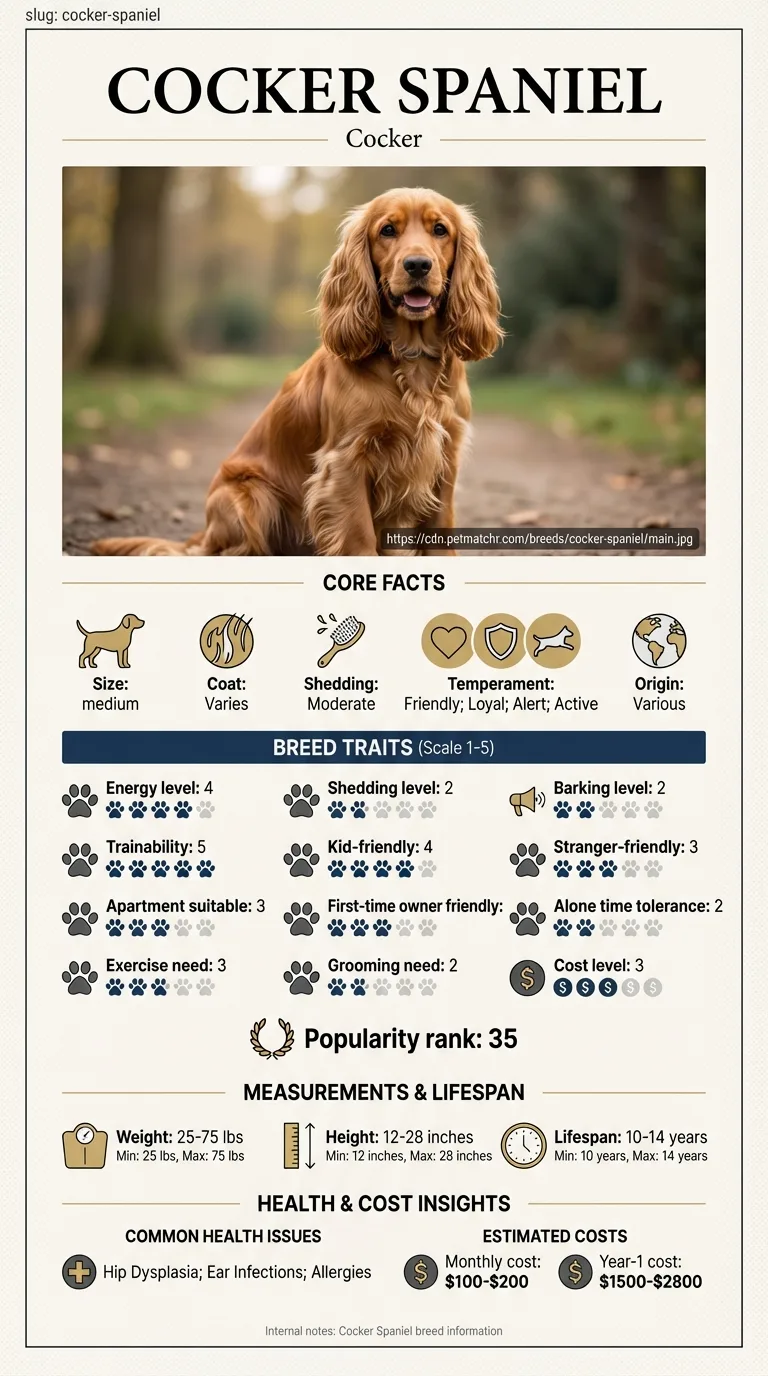
Typical owners facing these issues include families with children, busy professionals, or anyone who may not have extensive experience with dog health. If your Cocker seems to have frequent stomach problems, you're not alone.
This guide is not medical advice. If your dog shows pain, sudden behavior change, or worsening symptoms, consult a licensed veterinarian.
Some links may be affiliate links. We may earn a commission at no extra cost to you. We only suggest products we believe are helpful for dog owners.
We research and check what we publish, but we do not warrant that any figure, date, price, or statement is accurate, complete, or current, and we accept no liability for any loss, cost, injury, or other harm arising from the use of this site. Use it as one reference among several. You remain responsible for your own decisions and for your dog's care - confirm anything that matters with a licensed veterinarian or another qualified professional before you act on it. Full disclaimer.
Check this first
Watch for these red-flag signs that indicate an emergency: - Persistent vomiting or diarrhea lasting more than 24 hours. - Blood in vomit or stool. - Severe abdominal pain, indicated by whining or reluctance to be touched. - Signs of dehydration, such as dry gums or lethargy. - Refusal to eat or drink for more than a day. If you notice any of these symptoms, call your vet immediately.
On the other hand, if your Cocker Spaniel has mild symptoms like occasional upset stomach or minor fluctuations in appetite, you can monitor at home. In these cases, consider the following: - Keep a record of their symptoms and any changes in behavior. - Provide a bland diet, like boiled chicken and rice, for a few days. - Ensure they have access to fresh water.
If symptoms persist beyond a couple of days or worsen, it's time to reach out to your vet. Balancing urgency with caution is key to ensuring your Cocker Spaniel stays healthy.
If any of these apply, call your vet or an emergency clinic now. The rest of this page is for the cases that are not an emergency.
Cocker Spaniel gastrointestinal disorders can manifest as vomiting, diarrhea, and discomfort during meals. These issues may arise from various causes, including dietary indiscretion or food intolerances. Owners often notice their Cocker Spaniel experiencing frequent stomach upset or changes in appetite, which can be concerning.
Gastrointestinal disorders are fairly common in Cocker Spaniels, with many owners reporting these issues at some point. While not every Cocker will experience severe problems, it's important to be aware of the signs and manage their diet to minimize risks.
Cocker Spaniels can be prone to certain gastrointestinal disorders due to their unique genetics. They may inherit sensitivities that affect their digestive systems, such as inflammatory bowel disease. Additionally, their medium size and energetic nature might lead to overeating or eating too quickly, which can exacerbate these issues.
Environmental factors can also play a significant role in gastrointestinal disorders. Stress, changes in diet, or exposure to new foods can trigger digestive problems. Furthermore, a lack of regular exercise and insufficient hydration can negatively impact their digestive health.
If your dog shows persistent symptoms like vomiting, diarrhea, or changes in appetite, it's important to consult your vet. They can diagnose the underlying cause of the gastrointestinal disorders and recommend appropriate treatments.
Avoiding these common mistakes can help improve your Cocker Spaniel's gastrointestinal disorders.
Start here: Cocker Spaniel Most Common Genetic Disorders: Screening
See all Cocker Spaniel health problems, which breeds are prone to gastrointestinal disorders, or the full Cocker Spaniel breed guide for temperament, exercise needs and ownership costs.
You can expect to see improvements within 2 to 6 months, depending on the specific gastrointestinal disorder and treatment plan.
Success means your Cocker Spaniel has more regular bowel movements, reduced vomiting or diarrhea, and shows signs of increased energy and overall well-being.
Lisa, a busy nurse in Chicago, noticed that her Cocker Spaniel, Bella, often had upset stomachs and irregular bowel movements. After several vet visits, they diagnosed Bella with inflammatory bowel disease. With a combination of a special diet, medication, and consistent training on eating habits, Bella's condition improved over a few months. Lisa learned to be patient and attentive, tracking Bella's progress daily to adjust her care as needed.
Key takeaway: Managing Cocker Spaniel gastrointestinal disorders requires dedication and a tailored approach, but with patience and proper care, you can help your pup feel better.
Cocker Spaniel gastrointestinal disorders can arise from various causes, including dietary issues, allergies, or underlying health problems. It's essential to consult your vet to determine the specific cause and appropriate treatment for your dog.
To stop Cocker Spaniel gastrointestinal disorders, start by providing a high-quality diet tailored to your dog's needs. Gradually introduce new foods and monitor for any adverse reactions. Regular vet check-ups will also help manage and prevent these issues.
Common symptoms include vomiting, diarrhea, loss of appetite, and weight loss. If you notice any of these signs, it’s crucial to contact your veterinarian for guidance and treatment options.
Yes, many Cocker Spaniel gastrointestinal disorders are treatable with proper veterinary care. Treatment may include dietary changes, medications, or other therapies based on your dog's specific condition.
Yes, stress can contribute to gastrointestinal disorders in Cocker Spaniels. Factors like changes in environment, separation anxiety, or loud noises can trigger gastrointestinal upset, so managing your dog's stress is important.
Improving your Cocker Spaniel's digestive health involves providing a balanced diet, ensuring regular exercise, and maintaining consistent feeding schedules. Additionally, avoiding table scraps and human food can help prevent gastrointestinal issues.
Older Cocker Spaniels may need special diets that are easier to digest. Consult your vet about suitable food options and monitor their water intake to avoid dehydration.
If your Cocker has persistent vomiting or diarrhea for more than 24 hours, or if they show signs of pain, it's time to see the vet. Early intervention can prevent serious health problems.
Yes, certain diets, such as those high in fiber or low in fat, can help manage gastrointestinal disorders. Always discuss dietary changes with your vet to ensure they meet your Cocker's needs.
To manage Cocker Spaniel gastrointestinal disorders, provide a high-quality diet, avoid sudden food changes, and consult your vet about any persistent symptoms.
If your Cocker Spaniel shows any gastrointestinal symptoms, visit your vet promptly. Regular check-ups are also recommended at least once a year.
Never give your Cocker Spaniel over-the-counter medications without consulting your vet first, as some can be harmful.
Yes, changing to a vet-recommended diet can help manage Cocker Spaniel gastrointestinal disorders. Gradually introduce any new food to avoid additional stress on their system.
A one-page prep sheet for this condition: the signs, the questions to ask, what to get priced. Unlocks here.
You get: Vet visit prep sheet
No spam. One-click unsubscribe. See our privacy policy.
See a sample page before you decide.
Early access list
The free prep sheet covers the same-day warning signs, a symptom log and the questions to ask. We are considering a fuller kit that adds a cost worksheet for the usual tests and treatments (US price ranges with their sources) and a plain-English guide to ways of covering the bill. It is not built yet; this list tells us whether it is worth building.
One email, no spam, unsubscribe anytime. Information only, not veterinary advice.