Behavior
What are quick tips for Cocker Spaniel gastric dilatation-volvulus (gdv/bloat)?
Feed smaller meals throughout the day and use slow feeder bowls to reduce the risk of gdv/bloat. Keep your dog calm during and after mealtime.
Cocker Spaniel gastric dilatation-volvulus, commonly known as GDV or bloat, is a life-threatening condition that can affect your dog suddenly. This serious issue involves the stomach twisting and can lead to severe outcomes if not addressed immediately. (Cocker Spaniel gastric dilatation-volvulus (gdv/bloat))
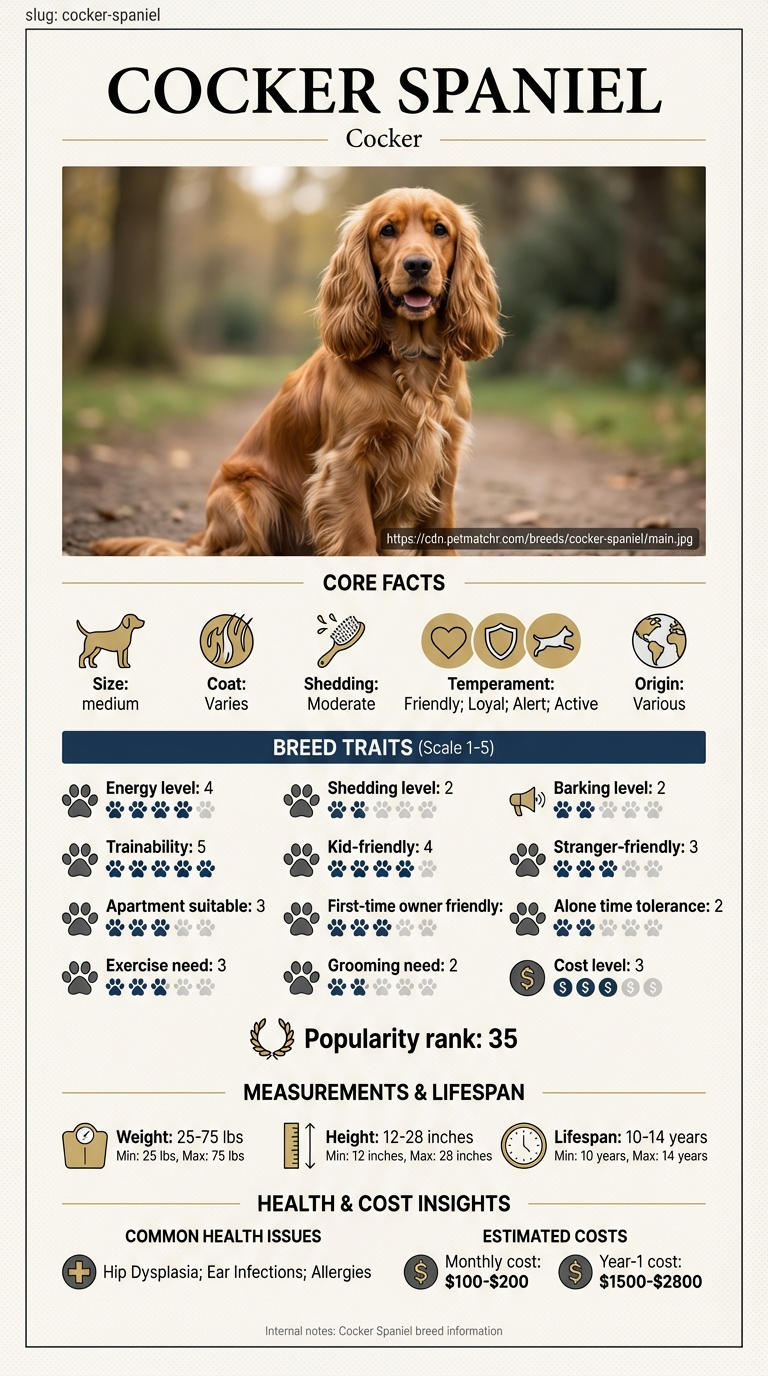
Cocker Spaniel owners, especially those with busy lifestyles or those who are first-time pet parents, may find it challenging to monitor their dog's eating habits. Additionally, families who are unaware of the signs of GDV are at greater risk for facing this emergency.
This guide is not medical advice. If your dog shows pain, sudden behavior change, or worsening symptoms, consult a licensed veterinarian.
Some links may be affiliate links. We may earn a commission at no extra cost to you. We only suggest products we believe are helpful for dog owners.
Cocker Spaniel gastric dilatation-volvulus (gdv/bloat) is a serious, life-threatening condition that occurs when a dog’s stomach fills with gas and twists. This can cause extreme discomfort and can lead to fatal consequences if not treated immediately. Daily signs may include restlessness, pacing, or attempts to vomit without success.
While gastric dilatation-volvulus can occur in any breed, it's particularly concerning in medium to large breeds like the Cocker Spaniel. Though not extremely common, it is a significant risk that every Cocker owner should be aware of. Being vigilant can help catch early signs and prevent this serious condition.
Cocker Spaniels, like many medium to large breeds, can be prone to gastric dilatation-volvulus (GDV), often due to their anatomy. Their deep chests can allow for excessive gas accumulation, which might lead to twisting of the stomach. Their general temperament can also contribute since anxious or excited dogs may gulp air while eating.
Environmental factors such as eating habits can also play a role. Dogs that eat too quickly or consume large meals without proper breaks are at a greater risk. Additionally, stress and sudden changes in routine can exacerbate the likelihood of developing GDV.
If your Cocker Spaniel shows signs of anxiety around food or exhibits aggressive behavior while eating, it may be time to consult a professional trainer. They can help modify these behaviors and implement positive reinforcement techniques.
Always consult your vet if your dog shows symptoms of GDV, such as a swollen abdomen, restlessness, or attempts to vomit without success. If your Cocker Spaniel has a history of bloat or any concerning symptoms, seeking veterinary advice is crucial.
It typically takes a few weeks to several months to manage Cocker Spaniel gastric dilatation-volvulus (gdv/bloat) through training and preventative measures.
Success means consistently recognizing early signs of bloat and implementing preventive strategies, resulting in fewer emergency vet visits and a healthier, more relaxed dog.
Avoid these common mistakes that can worsen Cocker Spaniel gastric dilatation-volvulus (gdv/bloat). Correcting these behaviors can help you manage your dog's health more effectively.
Cocker Spaniel gastric dilatation-volvulus (GDV/bloat) can be a life-threatening condition. It's crucial to recognize when this issue demands immediate veterinary attention and when it can be monitored at home. Red flags include a distended abdomen, unproductive attempts to vomit, excessive drooling, and signs of severe pain or restlessness. If your dog shows any of these symptoms, call your vet right away.
In less severe cases, you may notice mild bloating without other alarming symptoms. If your Cocker Spaniel seems to be eating, drinking, and behaving normally, keep a close eye on them. Ensure they are calm and avoid any vigorous exercise, as this can sometimes help ease a mild case. However, if symptoms worsen, do not hesitate to reach out to your vet.
When Sarah, a first-time dog owner from Seattle, adopted Bella, her Cocker Spaniel, she quickly learned about the risks of gastric dilatation-volvulus (gdv/bloat). After Bella's first episode of bloat, which required an emergency vet visit, Sarah felt overwhelmed. She researched how to stop Cocker Spaniel gastric dilatation-volvulus (gdv/bloat) and started implementing changes to Bella’s feeding routine, like smaller meals and avoiding exercise right after eating. Over the next few months, Sarah kept a close eye on Bella's behavior and even consulted a vet for additional training strategies. Eventually, they both felt more confident, and Bella’s episodes decreased significantly.
Key takeaway: With patience and proactive measures, managing Cocker Spaniel gastric dilatation-volvulus (gdv/bloat) is possible, leading to a happier and healthier pet.
Cocker Spaniel gastric dilatation-volvulus (gdv/bloat) is a life-threatening condition where the stomach fills with gas and twists. This can cut off blood supply and lead to shock, so it's important to recognize symptoms early.
Factors like eating too quickly, large meals, or stress can contribute to gastric dilatation-volvulus in Cocker Spaniels. Genetics and body shape also play a role, making some dogs more susceptible.
To help prevent gdv/bloat, feed your Cocker Spaniel smaller, more frequent meals instead of one large meal. Using a slow feeder bowl can also help them eat at a safer pace.
Signs of gdv/bloat include a swollen abdomen, attempts to vomit without success, excessive drooling, and restlessness. If you notice these symptoms, seek veterinary care immediately.
If you suspect your Cocker Spaniel has gdv/bloat, take them to the vet immediately. Time is crucial, and prompt treatment can save their life.
Training can help by teaching your dog to eat slowly and follow routines that reduce stress. However, it's not a guaranteed prevention method for gdv/bloat.
Early signs of Cocker Spaniel gastric dilatation-volvulus (gdv/bloat) can include restlessness, pacing, and a distended abdomen. Your dog may also attempt to vomit without producing anything or show signs of distress. If you notice these signs, it's crucial to seek veterinary help immediately.
Yes, older Cocker Spaniels can develop gastric dilatation-volvulus (gdv/bloat). While it can occur in dogs of any age, older dogs may be at a higher risk due to various age-related health issues. Regular vet check-ups are essential to monitor their health.
To help prevent gastric dilatation-volvulus (gdv/bloat) in your Cocker Spaniel, feed smaller meals more frequently instead of one large meal. Avoid vigorous exercise immediately after eating and consider using a raised food bowl. Consulting your vet about preventive measures is also a good idea.
Gastric dilatation-volvulus (gdv/bloat) is not as common in Cocker Spaniels as in some larger breeds, but it can still occur. Knowing the risk factors and symptoms is essential for all Cocker Spaniel owners. If you're concerned, discuss this with your veterinarian.
If your Cocker Spaniel shows symptoms of gastric dilatation-volvulus (gdv/bloat), such as a swollen belly or attempts to vomit, take them to a vet immediately. This condition is life-threatening and requires urgent medical attention. Don't wait for symptoms to improve on their own.
Feed smaller meals throughout the day and use slow feeder bowls to reduce the risk of gdv/bloat. Keep your dog calm during and after mealtime.
Aim to feed your Cocker Spaniel 2-3 smaller meals per day instead of one large meal. This can help reduce the chances of developing gdv/bloat.
Treatment for gdv/bloat can be expensive, often ranging from $1,500 to $3,000 depending on the severity and required procedures. It's crucial to seek immediate care.