Health
What are Cocker Spaniel corneal dystrophy quick tips?
Regular vet check-ups are crucial for monitoring eye health. Keep your dog's eyes clean and protected from bright lights or dust.

Quick answer
What are Cocker Spaniel corneal dystrophy quick tips?
Regular vet check-ups are crucial for monitoring eye health. Keep your dog's eyes clean and protected from bright lights or dust.
Cocker Spaniel corneal dystrophy can cause cloudiness in your dog's eyes, impacting their vision and comfort.
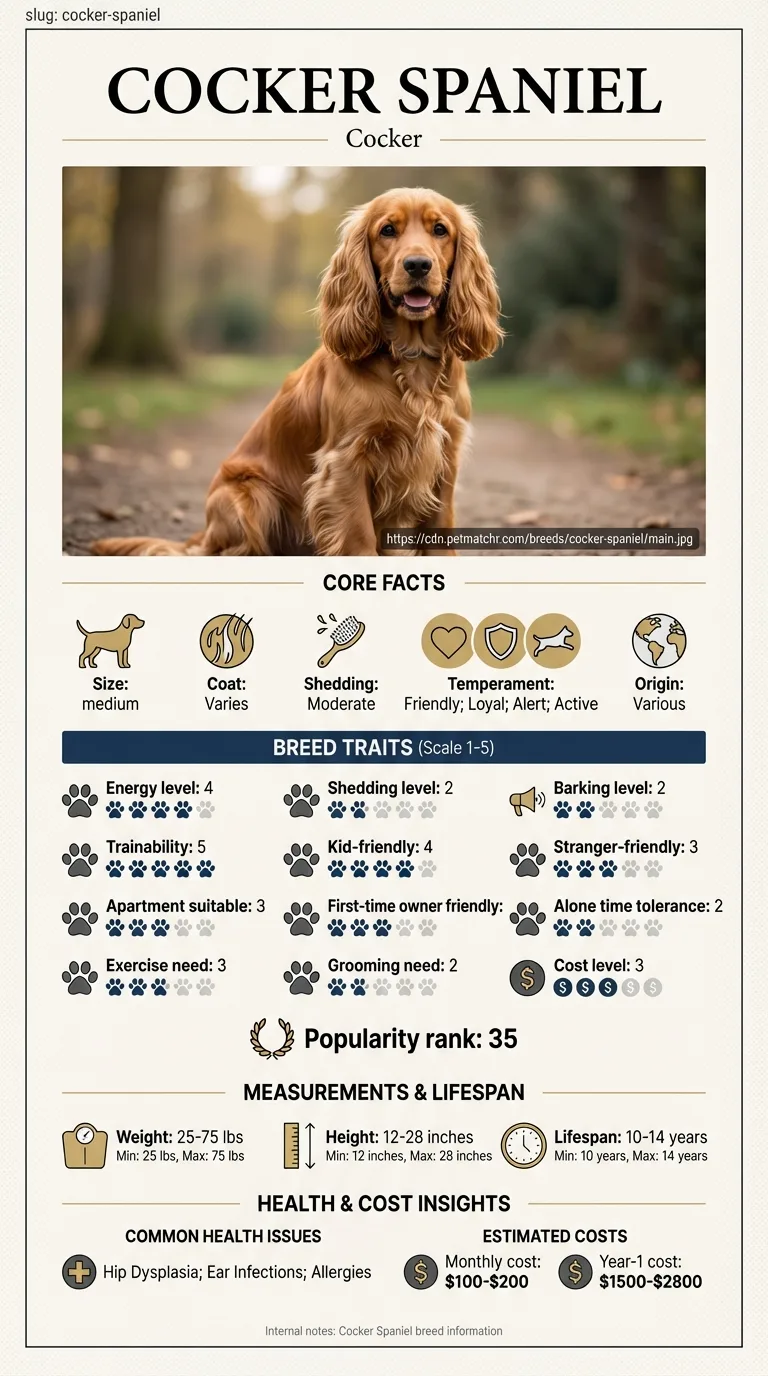
Many Cocker Spaniel owners, especially those new to dog care, may find themselves confused and worried about their pet's eye health. Understanding this condition is crucial for their well-being.
This guide is not medical advice. If your dog shows pain, sudden behavior change, or worsening symptoms, consult a licensed veterinarian.
Some links may be affiliate links. We may earn a commission at no extra cost to you. We only suggest products we believe are helpful for dog owners.
We research and check what we publish, but we do not warrant that any figure, date, price, or statement is accurate, complete, or current, and we accept no liability for any loss, cost, injury, or other harm arising from the use of this site. Use it as one reference among several. You remain responsible for your own decisions and for your dog's care - confirm anything that matters with a licensed veterinarian or another qualified professional before you act on it. Full disclaimer.
Check this first
Understanding when Cocker Spaniel corneal dystrophy needs immediate attention is crucial for your dog's health. While some symptoms can be mild, others are serious enough to warrant a vet visit right away. Here’s how to differentiate between the two scenarios.
Emergency Signs: If your Cocker shows extreme discomfort, such as persistent pawing at the eye, heavy tearing, or signs of pain like squinting, it’s time to call your vet. Other red flags include sudden changes in vision, noticeable swelling, or a cloudy appearance that worsens rapidly. These symptoms can indicate more severe issues that need prompt treatment.
Monitor and Wait: On the other hand, if your Cocker Spaniel has slight cloudiness but is otherwise comfortable, you can monitor the situation. If there are no signs of pain or distress, keeping an eye on the condition and following a watchful waiting plan is often appropriate. Regular check-ins with your vet can help ensure that the situation doesn’t escalate. Keeping a log of any changes can also be beneficial for your vet visits.
If any of these apply, call your vet or an emergency clinic now. The rest of this page is for the cases that are not an emergency.
Cocker Spaniel corneal dystrophy is a condition where the cornea becomes cloudy. This can lead to vision issues and may cause discomfort for your dog. It's not uncommon for Cocker Spaniels to develop this problem, affecting their day-to-day activities.
Corneal dystrophy is relatively common among Cocker Spaniels, with many cases appearing as they age. Owners often notice symptoms like increased squinting or changes in eye appearance.
Cocker Spaniels may be more prone to corneal dystrophy due to their genetic makeup. This breed is known for certain hereditary eye conditions, which can lead to cloudiness in the cornea. These issues are often inherited, making some Cocker Spaniels more susceptible than others.
Environmental factors like exposure to irritants or allergens can also contribute to corneal dystrophy. Dust, pollen, and chemicals may cause irritation, leading to complications in the eyes. Poor nutrition or inadequate eye care can further exacerbate these issues.
It's important to talk to your vet if you notice any changes in your Cocker Spaniel's vision or if their eyes appear cloudy. A vet can recommend treatments or medications to manage corneal dystrophy effectively.
Avoid these common mistakes that can inadvertently worsen Cocker Spaniel corneal dystrophy. Instead, consider safer alternatives for better care.
Start here: Cocker Spaniel Most Common Genetic Disorders: Screening
See all Cocker Spaniel health problems, which breeds are prone to corneal dystrophy, or the full Cocker Spaniel breed guide for temperament, exercise needs and ownership costs.
Addressing Cocker Spaniel corneal dystrophy typically takes several weeks to months, depending on the severity and responsiveness to treatment.
Success means improved vision, reduced symptoms, and comfort for your Cocker Spaniel, along with a management plan that suits their needs.
Sarah, a busy nurse in Chicago, noticed her Cocker Spaniel, Bella, had cloudy eyes and seemed hesitant to play. After a vet visit, she learned Bella had corneal dystrophy. With a treatment plan that included medication and regular check-ups, Sarah committed to daily eye care. Over a few months, Bella's symptoms improved, and she regained her playful spirit, making their walks in the park enjoyable again.
Key takeaway: Consistent care and following your vet's guidance can significantly improve your Cocker Spaniel's quality of life with corneal dystrophy.
Symptoms of Cocker Spaniel corneal dystrophy include cloudy eyes, excessive tearing, and squinting. You may also notice your dog being sensitive to light or having difficulty seeing, especially at night.
Look for signs like cloudy eyes, squinting, or excessive tearing. If you notice these symptoms, it's best to consult your veterinarian for a proper diagnosis.
While there is no cure, you can manage the condition by ensuring regular vet check-ups. Keeping your dog's eyes clean and protected from irritants can also help reduce discomfort.
Treatment options may include medications to reduce inflammation or surgery in severe cases. Always discuss potential treatments with your vet to find the best approach for your dog.
Since it's a genetic condition, prevention isn't possible. However, responsible breeding practices can help reduce the risk in future generations.
Cocker Spaniel corneal dystrophy can lead to vision issues, but many dogs adapt well. Regular veterinary care can help manage the condition effectively.
Yes, older Cocker Spaniels may experience more severe symptoms of corneal dystrophy due to age-related changes in their eyes. Regular vet check-ups become crucial to monitor any changes in their vision.
To help your Cocker Spaniel, keep their eyes clean and consider using artificial tears to relieve discomfort. Always consult your vet before starting any home treatment to ensure it’s suitable for your dog's condition.
If you notice changes in your dog's vision, increased discomfort, or if they are rubbing their eyes frequently, it's time to see the vet. Early intervention can help manage the condition more effectively.
Yes, corneal dystrophy can have a genetic component, especially in Cocker Spaniels. If you have concerns about your dog's lineage, discussing this with your breeder or vet can provide valuable insights.
Regular vet check-ups are crucial for monitoring eye health. Keep your dog's eyes clean and protected from bright lights or dust.
If your Cocker Spaniel has corneal dystrophy, visit your vet every 6 to 12 months for regular eye exams.
Yes, Cocker Spaniels are among breeds more prone to corneal dystrophy due to genetic factors.
Ensure your dog has a calm environment and avoid exposing them to harsh sunlight, as it can aggravate eye discomfort.
If your Cocker Spaniel shows signs of pain, squinting, or significant changes in vision, seek veterinary care promptly.
A one-page prep sheet for this condition: the signs, the questions to ask, what to get priced. Unlocks here.
You get: Vet visit prep sheet
No spam. One-click unsubscribe. See our privacy policy.
Preview page 1 before you decide.