Behavior
What are quick tips for managing Cocker Spaniel brachycephalic obstructive airway syndrome (boas)?
Keep your Cocker Spaniel cool and avoid exercise during hot weather. Monitor their weight and ensure they maintain a healthy diet.
Cocker Spaniels can suffer from a serious condition called brachycephalic obstructive airway syndrome (BOAS). This issue can lead to breathing difficulties, snoring, and heat sensitivity. (Cocker Spaniel brachycephalic obstructive airway syndrome (boas))
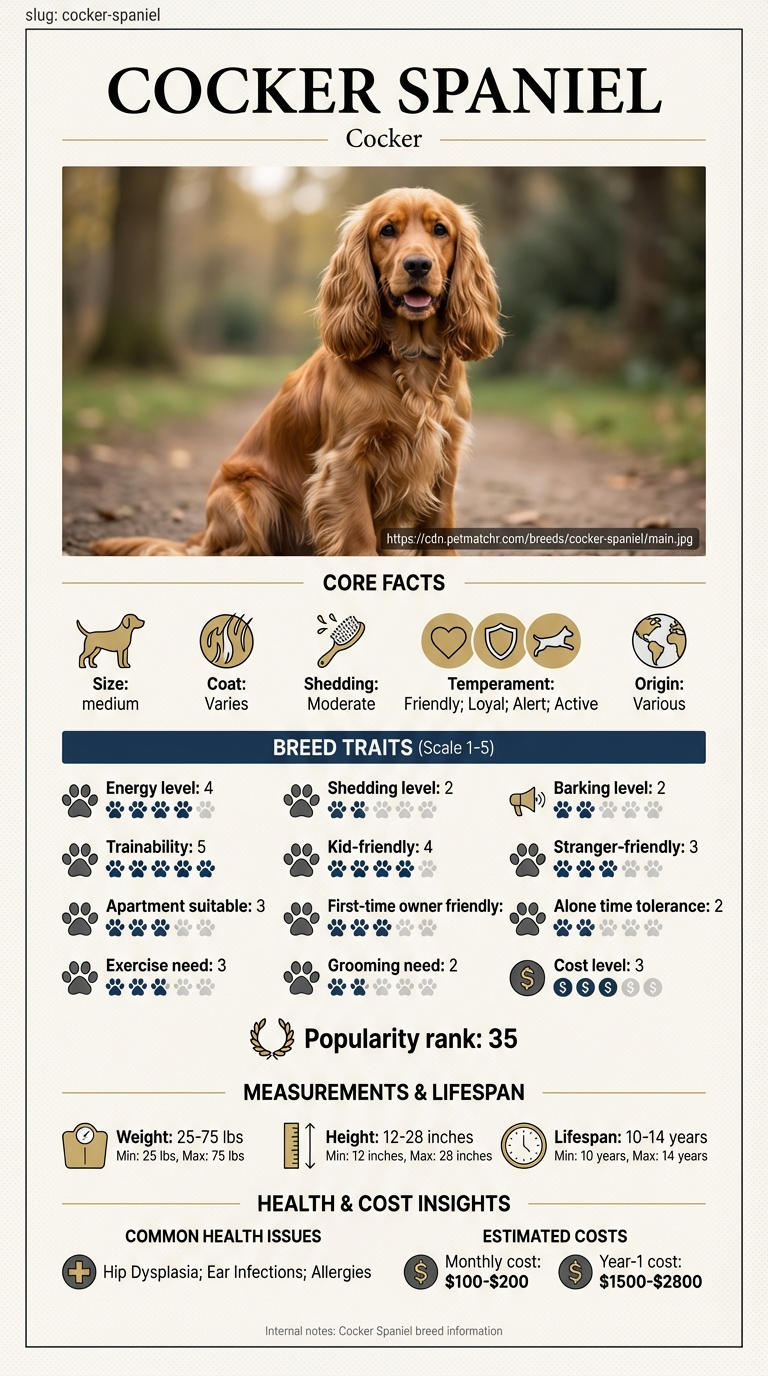
First-time Cocker Spaniel owners or those unfamiliar with breed-specific health issues often struggle with BOAS. Busy families or individuals may find it hard to identify the signs early, leading to more serious health complications. Understanding this condition is essential for providing the best care.
This guide is not medical advice. If your dog shows pain, sudden behavior change, or worsening symptoms, consult a licensed veterinarian.
Some links may be affiliate links. We may earn a commission at no extra cost to you. We only suggest products we believe are helpful for dog owners.
Cocker Spaniel brachycephalic obstructive airway syndrome (boas) is a condition affecting many dogs with short snouts, leading to breathing difficulties. Daily life for a Cocker Spaniel with BOAS may include excessive snoring, labored breathing, and struggles during exercise. This can make activities like walks or playtime challenging, leaving both the dog and owner feeling frustrated.
While Cocker Spaniels are not the most prone breed to BOAS, many can experience some level of respiratory difficulty due to their facial structure. It's important for owners to be aware of these risks and monitor their dog's breathing closely.
Cocker Spaniels can be prone to brachycephalic obstructive airway syndrome (BOAS) due to their anatomy. Their shorter snouts and broader heads may restrict airflow, causing breathing difficulties. This condition can lead to snoring and increased heat sensitivity.
Environmental factors can also contribute to BOAS symptoms. Excessive heat, high humidity, or strenuous exercise can exacerbate breathing issues. Stressful situations, such as loud noises or crowded places, may also trigger anxiety and worsen breathing.
If your Cocker Spaniel shows signs of anxiety or behavioral issues alongside BOAS, consider consulting a professional trainer. They can help implement positive reinforcement techniques to reduce stress and improve your dog's behavior.
If your dog's breathing difficulties worsen or you notice excessive panting or lethargy, contact your vet. They can assess the severity of BOAS and recommend appropriate treatments or lifestyle adjustments.
Improvement can take 1 to 3 months with consistent training and environmental adjustments.
Your Cocker Spaniel should show reduced breathing difficulties and be more comfortable during activity and warmer weather.
Understanding common mistakes can help you better manage your Cocker Spaniel's brachycephalic obstructive airway syndrome (BOAS). Here are some behaviors to avoid, along with safer alternatives.
Recognizing when your Cocker Spaniel’s brachycephalic obstructive airway syndrome (BOAS) is an emergency is crucial. If your dog is experiencing severe breathing difficulties, such as gasping for air, blue-tinged gums, or extreme lethargy, you should call your vet immediately. Other red flags include persistent coughing, choking, or if your dog collapses. These symptoms can indicate a life-threatening situation that requires immediate medical attention.
On the other hand, mild symptoms can often be monitored at home. If your Cocker is snoring, occasionally coughing, or seems a bit short of breath during play, you should keep an eye on these behaviors. Ensure your dog isn’t overheating, especially in warm weather, and limit strenuous activities. If these mild symptoms worsen or persist, it’s time to consult your vet for further guidance. Regular check-ups can help manage the condition effectively and prevent emergencies.

Marissa, a first-time dog owner, adopted Bella, her Cocker Spaniel, who struggled with brachycephalic obstructive airway syndrome (BOAS). At first, Bella would snore loudly and seemed uncomfortable during walks, especially in the heat. Marissa learned how to stop Cocker Spaniel brachycephalic obstructive airway syndrome (BOAS) by making some changes. She kept Bella cool with plenty of water and shade, and consulted her vet for training tips. Over time, Bella's breathing improved, and she became more playful and active.
Key takeaway: Understanding your dog's needs and making simple adjustments can significantly improve their quality of life.
Cocker Spaniels can develop brachycephalic obstructive airway syndrome (boas) due to their short snouts and flat facial structure. This breed's anatomy can lead to breathing difficulties, snoring, and heat sensitivity. Genetics plays a role, so if your dog is struggling to breathe, it's essential to consult a vet.
To help manage Cocker Spaniel brachycephalic obstructive airway syndrome (boas), maintain a healthy weight through diet and exercise. Avoid strenuous activities in hot weather, and keep an eye on their breathing during play. Regular vet check-ups are also crucial for monitoring any changes.
Positive reinforcement training can help your Cocker Spaniel learn to remain calm and avoid over-exertion. Use treats and praise to reward calm behavior, especially during exercise. Gradually increase their activity level, ensuring you monitor their breathing.
Yes, creating a comfortable environment is essential. Ensure your Cocker Spaniel has a cool place to rest, especially during heat waves. Limit exercise to cooler parts of the day and avoid overly strenuous activities to prevent breathing difficulties.
If your Cocker Spaniel shows severe signs of distress while breathing or experiences frequent coughing, it's time to see a vet. Other warning signs include excessive panting or difficulty in exercising. Early intervention can help prevent serious health issues.
Signs of Cocker Spaniel brachycephalic obstructive airway syndrome (boas) include noisy breathing, excessive snoring, and difficulty exercising. You might also notice your dog having a hard time cooling down in hot weather or during physical activity.
Yes, many Cocker Spaniels with brachycephalic obstructive airway syndrome (boas) can live normal lives with proper care. However, they may need to avoid extreme temperatures and high-intensity activities to manage their symptoms effectively.
If your Cocker Spaniel shows signs of severe difficulty breathing, excessive panting, or lethargy, it's important to see a vet immediately. Early intervention can help prevent more serious health issues related to brachycephalic obstructive airway syndrome (boas).
Older Cocker Spaniels can be more susceptible to complications from brachycephalic obstructive airway syndrome (boas) due to age-related health issues. Regular vet check-ups can help monitor their respiratory health and catch any problems early.
To help your Cocker Spaniel with brachycephalic obstructive airway syndrome (boas), ensure they maintain a healthy weight and avoid strenuous exercise. Training techniques that promote calm behavior and controlled breathing can also be beneficial.
Keep your Cocker Spaniel cool and avoid exercise during hot weather. Monitor their weight and ensure they maintain a healthy diet.
Signs include heavy panting, wheezing, or persistent coughing. If you notice these symptoms, consult your vet promptly.
In severe cases, surgery may be recommended to improve airflow. Discuss options with your vet based on your dog's specific needs.
Yes, extreme heat can worsen breathing issues. Always provide shade and fresh water during warm weather.