Behavior
How to stop Cavalier King Charles Spaniel von Willebrand's disease (vWD1)?
You can't stop vWD1, as it's genetic, but managing it through vet care and lifestyle adjustments can help your dog thrive.
Cavalier King Charles Spaniel von Willebrand's disease (vwd1) is a genetic bleeding disorder that can affect your dog's health.
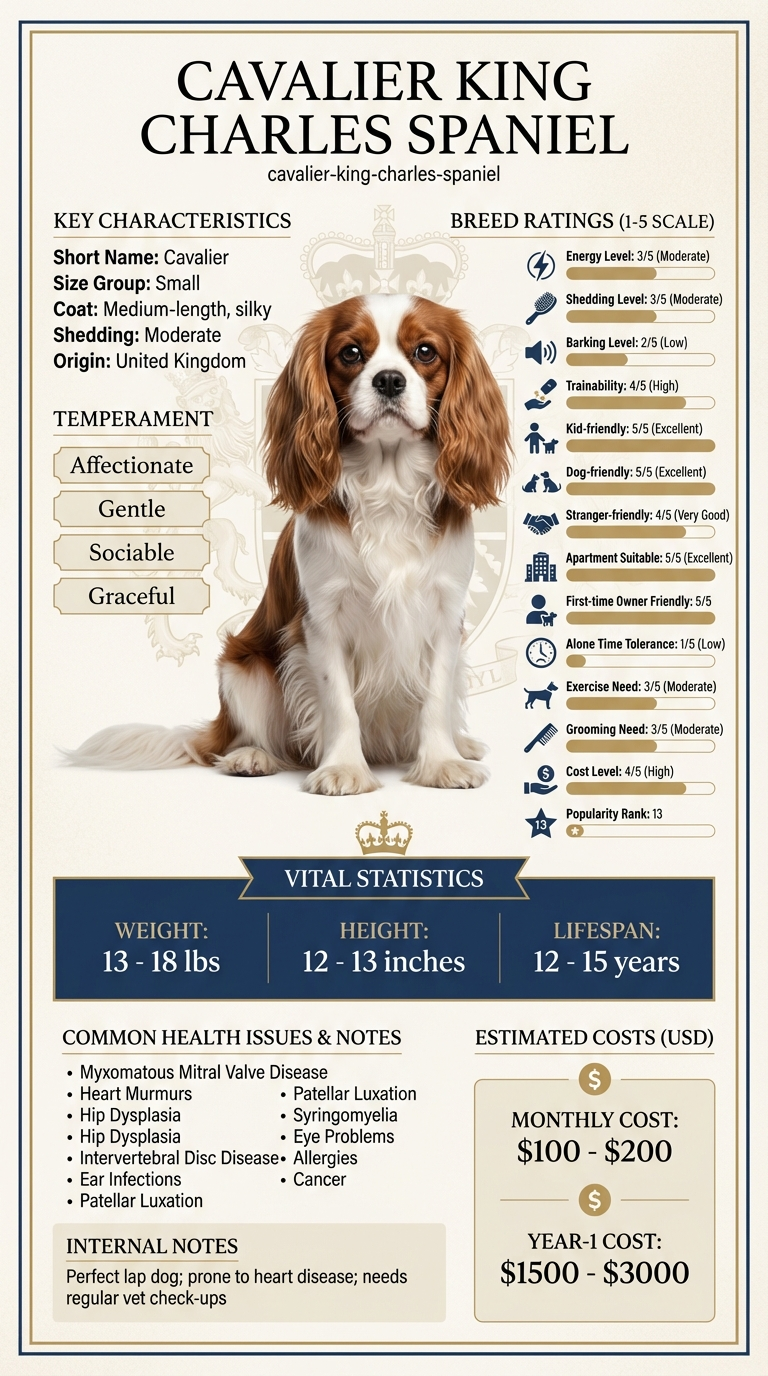
Typically, Cavalier King Charles Spaniel owners, especially those new to dog care, may find this condition challenging. Owners who are unaware of their dog's genetic background or those who have limited experience with health issues may struggle the most.
This guide is not medical advice. If your dog shows pain, sudden behavior change, or worsening symptoms, consult a licensed veterinarian.
Some links may be affiliate links. We may earn a commission at no extra cost to you. We only suggest products we believe are helpful for dog owners.
Cavalier King Charles Spaniel von Willebrand's disease (vWD1) is a genetic bleeding disorder that affects blood clotting. This means that your Cavalier may bleed more easily and take longer to stop bleeding after an injury. Day-to-day, this can manifest as excessive bleeding from minor cuts or bruises, which can be concerning for owners.
Von Willebrand's disease is relatively common in Cavalier King Charles Spaniels, with estimates suggesting that about 30% of the breed may be affected. This makes it important for owners to be aware of the signs and symptoms, especially during vet visits or in case of injury.
Cavalier King Charles Spaniels are prone to von Willebrand's disease (vWD1) due to their genetic makeup. This condition affects their ability to clot blood properly, making them more susceptible to bleeding problems. If you have a Cavalier, understanding this hereditary issue is key to managing their health.
Environmental factors can also play a role in how this disease manifests. Stressful situations, injuries, or certain medications may exacerbate bleeding tendencies. A calm and safe home environment can help minimize risks.
If your Cavalier shows signs of anxiety or fear that affects their daily life, consider finding a trainer who specializes in behavior issues. A professional can provide tailored techniques to help your dog feel more secure.
If your Cavalier experiences excessive bleeding or shows signs of weakness, consult your vet immediately. They can run tests to confirm if vWD1 is the issue and suggest appropriate treatments.
Managing Cavalier King Charles Spaniel von Willebrand's disease (vWD1) takes time and patience. Expect to see improvements in behavior and health understanding over several months, especially with consistent training and veterinary care.
Success means your Cavalier can live a happy, comfortable life with controlled symptoms. You'll notice decreased anxiety, better training responsiveness, and more manageable health issues.
Avoiding common mistakes can help manage your Cavalier King Charles Spaniel's von Willebrand's disease (vWD1). Here are some behaviors to steer clear of, along with safer alternatives.
If your Cavalier shows any of the following symptoms, call your vet right away: excessive bleeding from minor cuts, blood in urine or stool, sudden weakness or lethargy, or prolonged bleeding after surgery or injury. These signs can indicate severe complications of vWD1 and require immediate medical attention.
On the other hand, if your dog has mild symptoms such as occasional nosebleeds or slight bruising, you may be able to monitor them at home. Create a plan that includes keeping a close eye on their behavior and noting any changes. Ensure you have a vet appointment scheduled for a thorough check-up if symptoms persist.
Overall, staying vigilant and informed about your Cavalier King Charles Spaniel's health is essential. If you're ever in doubt, it's always better to err on the side of caution and consult a veterinarian.
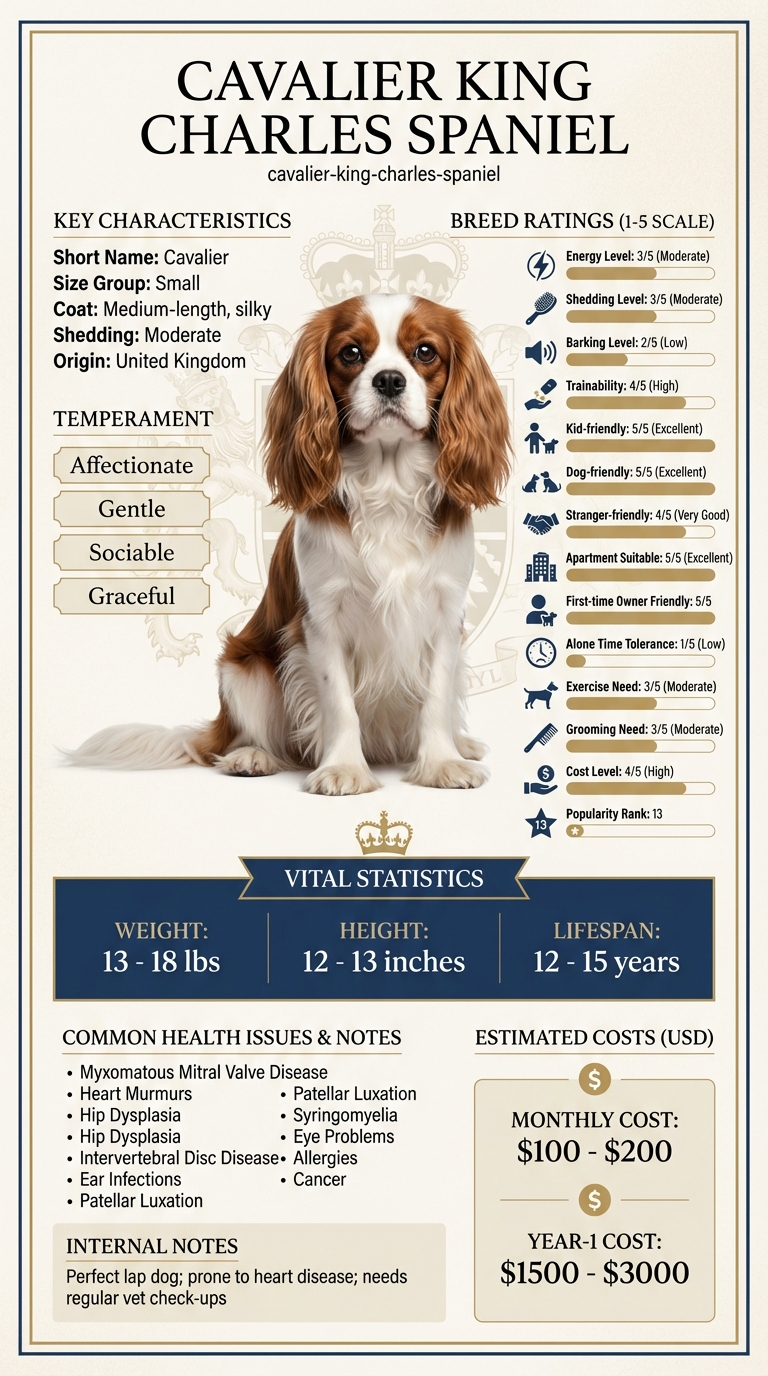
Emily, a new dog owner, adopted Maggie, a Cavalier King Charles Spaniel, who was diagnosed with von Willebrand's disease (vWD1). Initially, Emily was overwhelmed by Maggie's frequent bleeding episodes and anxiety around other dogs. After consulting a vet, she learned to manage Maggie's condition through special training and regular check-ups. With time, Maggie became more relaxed and was able to enjoy playdates with other dogs while Emily felt more equipped to handle her dog's needs.
Key takeaway: With the right support and knowledge, you can help your Cavalier King Charles Spaniel with vWD1 live a fulfilling life, despite the challenges.
Von Willebrand's disease (vWD1) is a genetic bleeding disorder common in Cavalier King Charles Spaniels. It occurs when there is a deficiency in a specific protein needed for blood clotting. If your dog has this condition, it may have inherited it from its parents. This answer relates to Cavalier King Charles Spaniel von willebrand's disease (vwd1).
Managing vWD1 involves regular vet check-ups to monitor your dog's health and bleeding risk. Your vet may recommend a special diet and limit certain activities to prevent injuries. Medication may also be prescribed to help with clotting.
Signs of vWD1 can include excessive bleeding from minor cuts, prolonged bleeding after surgery, or nosebleeds. If you notice any unusual bleeding, it's essential to consult your veterinarian immediately.
Yes, with proper management and care, your Cavalier can live a happy life. Regular vet visits and careful monitoring of their activities are key. Avoiding high-risk situations can help minimize complications.
Treatment options for vWD1 include desmopressin, which can stimulate the release of clotting factors. In severe cases, blood transfusions may be necessary. Always consult your vet for the best treatment plan.
Signs of von Willebrand's disease (vWD1) can include excessive bleeding from cuts, nosebleeds, or blood in the urine. You might also notice prolonged bleeding after surgery or tooth extractions. If you see any of these symptoms, it's crucial to consult your vet.
While there is no cure for von Willebrand's disease (vWD1), treatment options can help manage symptoms. This may include medication to improve blood clotting and regular veterinary check-ups. Discussing a management plan with your vet is essential for your dog's health.
Yes, von Willebrand's disease (vWD1) is a genetic disorder. It is inherited from parent dogs, making it crucial to know the health history of your Cavalier's lineage. Responsible breeding practices can help reduce the prevalence of this condition.
Caring for a Cavalier with von Willebrand's disease (vWD1) involves regular vet visits and monitoring for signs of bleeding. It's also important to minimize their risk of injury and avoid high-impact activities. Proper care can help ensure they lead a happy and healthy life.
You should take your Cavalier to the vet if you notice any unusual bleeding, such as from the gums or after minor injuries. Additionally, if your dog is lethargic or not eating, these could be signs of a more serious issue. Timely veterinary care is vital for managing this condition.
You can't stop vWD1, as it's genetic, but managing it through vet care and lifestyle adjustments can help your dog thrive.
Monitor for signs of excessive bleeding, maintain regular vet check-ups, and consider a low-impact lifestyle for safety.
Yes, they can be trained, but avoid high-stress situations that might lead to injury. Focus on gentle, positive training methods.

