Health
What should I do if my Cavalier has trouble breathing?
If your Cavalier struggles to breathe, stay calm and seek immediate veterinary care. Keep them cool and avoid strenuous activities until you can get help.
Cavalier King Charles Spaniels are adorable, but they are prone to a serious condition called brachycephalic obstructive airway syndrome (BOAS). This condition causes breathing difficulties, snoring, and sensitivity to heat. (Cavalier King Charles Spaniel brachycephalic obstructive airway syndrome (boas))
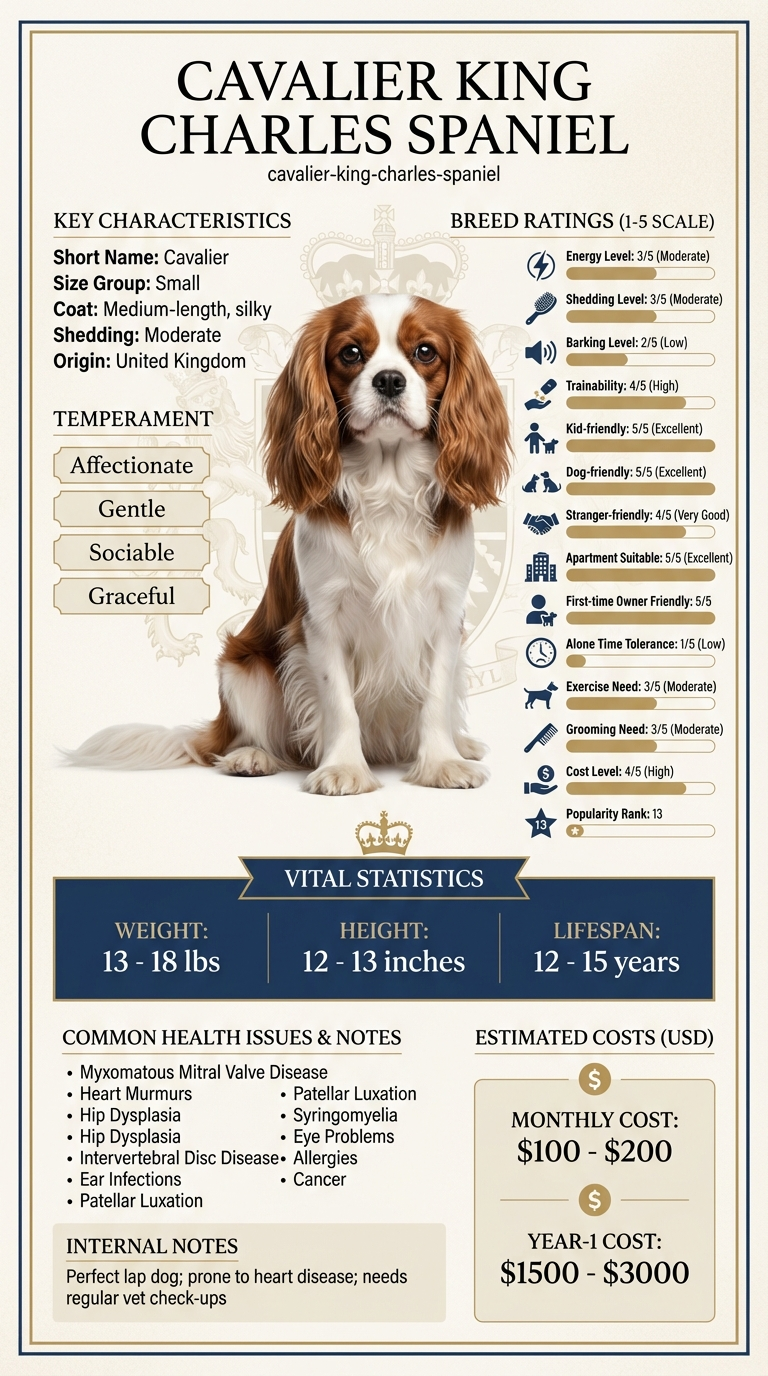
Owners of Cavalier King Charles Spaniels, especially first-time dog owners or those living in warmer climates, often face challenges with BOAS. Many may not realize the severity of breathing issues until their dog shows distress.
This guide is not medical advice. If your dog shows pain, sudden behavior change, or worsening symptoms, consult a licensed veterinarian.
Some links may be affiliate links. We may earn a commission at no extra cost to you. We only suggest products we believe are helpful for dog owners.
Cavalier King Charles Spaniels are charming little companions, but many suffer from brachycephalic obstructive airway syndrome (BOAS). This condition leads to breathing difficulties, making everyday activities like playing or even resting challenging. Their short snouts mean they can struggle to get enough air, which can be especially concerning during hot weather or strenuous exercise.
Brachycephalic obstructive airway syndrome is quite common in Cavalier King Charles Spaniels due to their physical traits. Many owners notice signs of BOAS, such as snoring or labored breathing, especially as their dog ages or if they are overweight.
Cavalier King Charles Spaniels are prone to brachycephalic obstructive airway syndrome (BOAS) due to their short snouts and flat faces. This breed's physical traits can restrict airflow and lead to breathing difficulties. Their genetic predisposition means that many Cavaliers experience some level of airway obstruction.
Environmental factors can worsen BOAS symptoms in Cavaliers. Hot or humid weather can make breathing even harder for them. Additionally, obesity can exacerbate airway issues, so maintaining a healthy weight is crucial.
If your Cavalier displays significant breathing issues or shows signs of anxiety when faced with new situations, consider consulting a trainer. A professional can provide tailored behavior modification strategies to ease their anxiety.
If your Cavalier experiences persistent breathing difficulties, frequent snoring, or excessive panting, it's time to talk to your vet. They can assess the severity of BOAS and discuss potential treatment options, which may include surgery in severe cases.
It typically takes a few weeks to months to see improvements in your Cavalier's breathing issues with consistent management and training.
Success means your Cavalier will breathe more easily during normal activities, show less distress in hot weather, and have fewer instances of snoring or coughing.
Avoiding common mistakes can help improve your Cavalier King Charles Spaniel's brachycephalic obstructive airway syndrome (BOAS) symptoms. Here are key missteps to steer clear of.
Cavalier King Charles Spaniels can be prone to Brachycephalic Obstructive Airway Syndrome (BOAS), which can lead to serious health issues. It's essential to know when the situation requires immediate vet attention versus when you can manage it at home. Recognizing the signs can make a big difference in your dog's health and comfort.
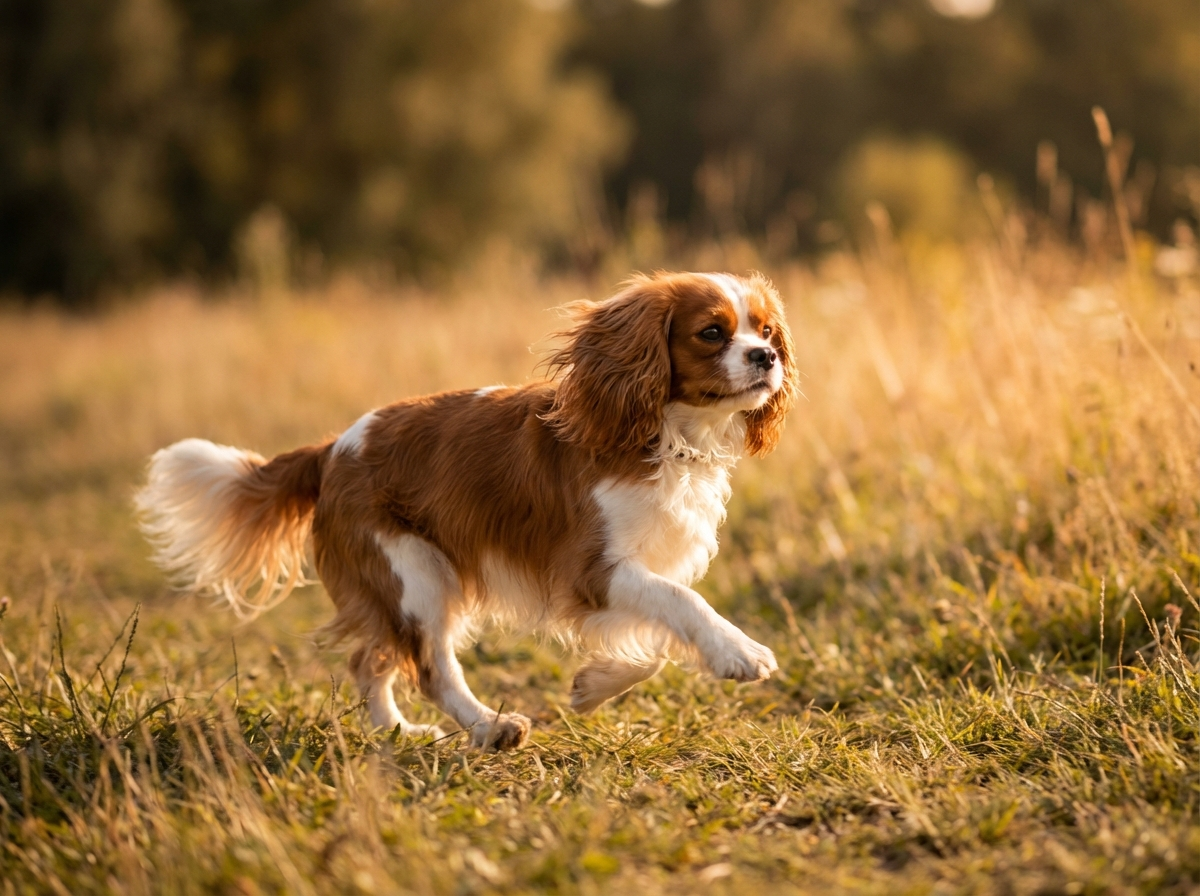
Watch for these serious symptoms indicating you should call your vet right away: - Severe difficulty breathing or choking - Blue-tinged gums or tongue - Excessive panting that doesn't subside - Lethargy or fainting - Coughing or gagging that worsens - Signs of distress, such as pacing or whining
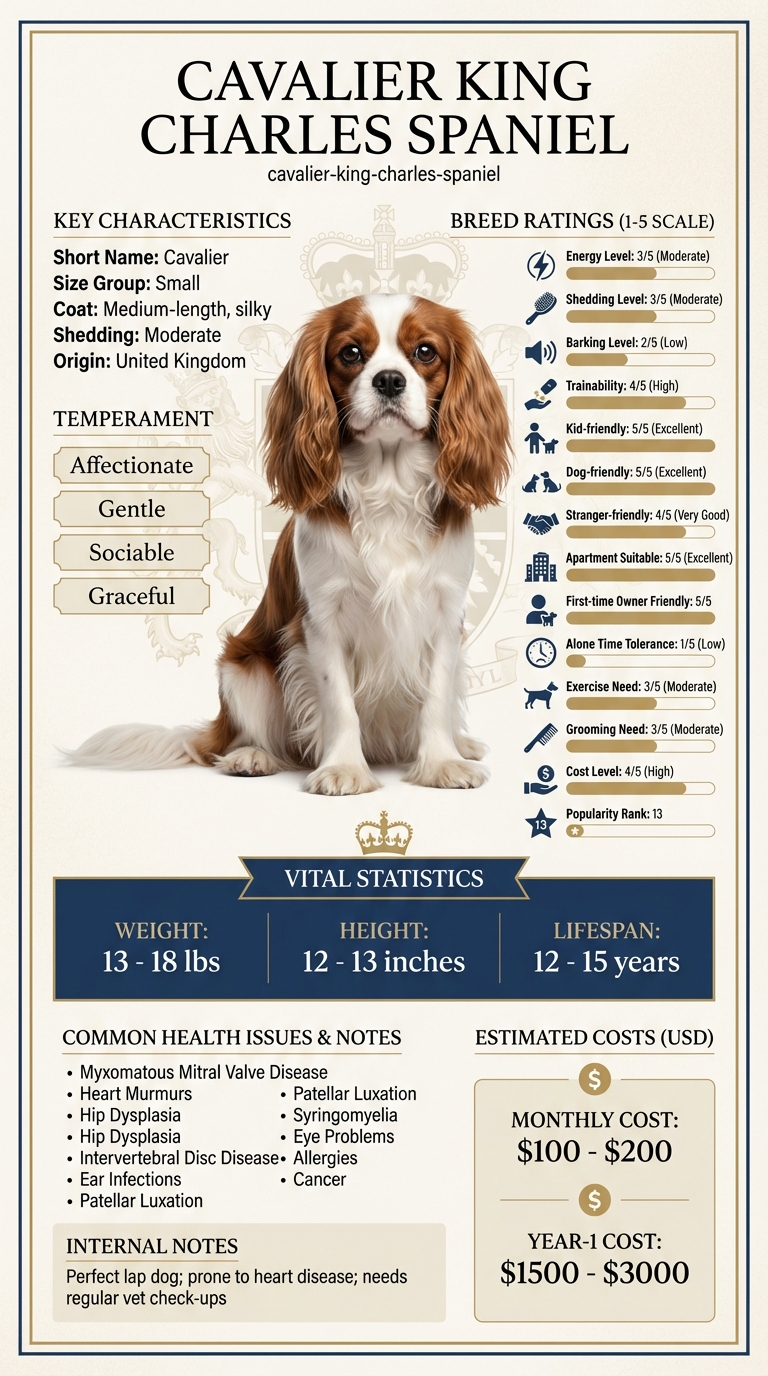
If your Cavalier shows mild symptoms, you can usually monitor them at home. Here are some signs that may not require immediate vet visits: - Occasional snoring or snorting - Mild coughing after exercise - Slight lethargy but still alert and responsive - Temporary difficulty breathing during heat or exertion - Frequent panting after activity, but normalizes quickly
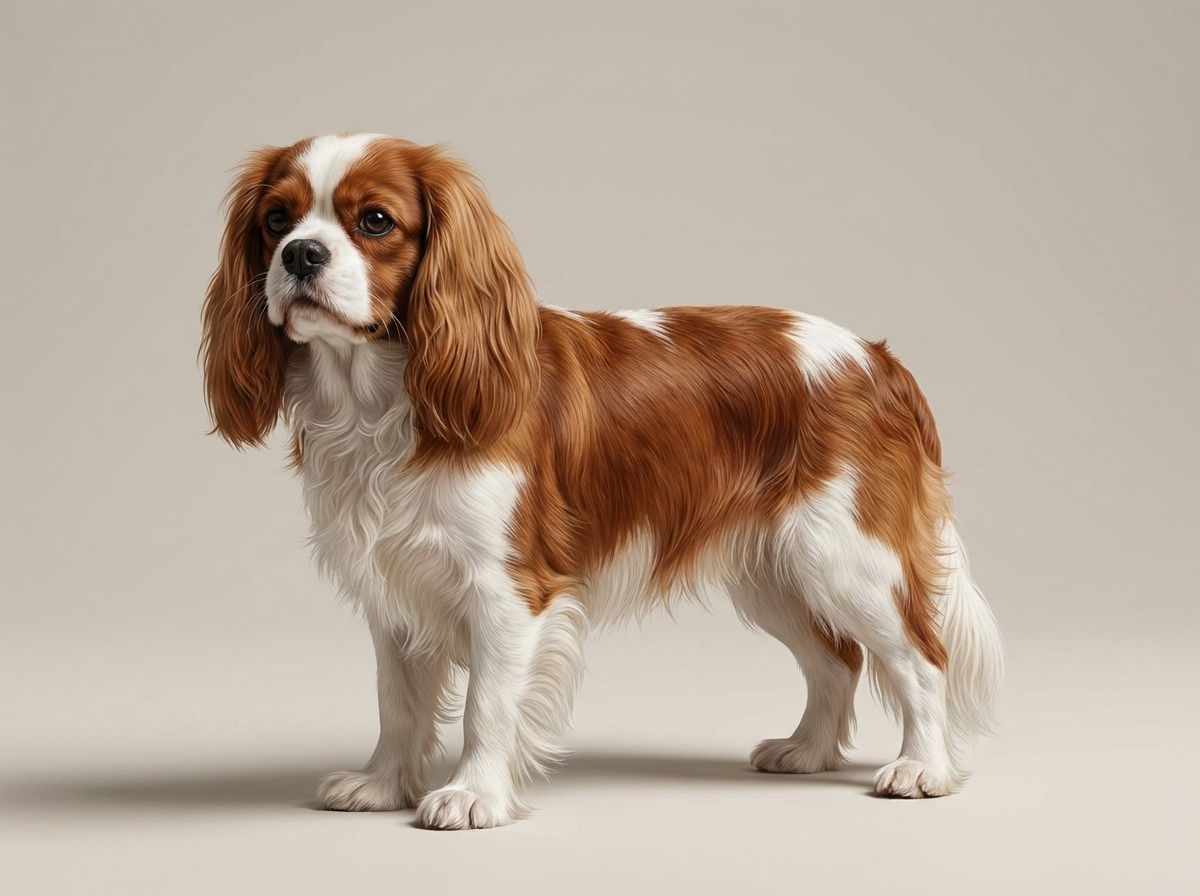
When Sarah adopted Maggie, her Cavalier King Charles Spaniel, she quickly noticed Maggie's breathing was labored, especially after playtime. Concerned, Sarah consulted her vet and learned about brachycephalic obstructive airway syndrome (BOAS). With guidance, she implemented a training routine that included calming exercises and focused on keeping Maggie cool during walks. Over the next few months, Maggie’s breathing improved significantly, and she could enjoy her daily activities without discomfort.
Key takeaway: Understanding and addressing BOAS early on can lead to a happier, healthier life for your Cavalier King Charles Spaniel.
Cavalier King Charles Spaniels have a genetic predisposition to brachycephalic obstructive airway syndrome (boas) due to their short snouts. This structure can lead to breathing difficulties, snoring, and heat sensitivity. Regular vet check-ups are crucial for monitoring and managing these issues.
To manage your Cavalier's BOAS, ensure they maintain a healthy weight, avoid strenuous exercise, and keep them cool in hot weather. You might also consult a vet for potential surgical options if the symptoms are severe. Regular monitoring of their breathing can help prevent complications.
Symptoms of BOAS in Cavalier King Charles Spaniels include noisy breathing, snoring, difficulty exercising, and heat intolerance. You may also notice excessive panting or coughing. If you observe these signs, consult your vet for an assessment.
Training can improve behavior related to BOAS by teaching your Cavalier to stay calm and relaxed during stressful situations. However, it won't change their physical structure. Focus on positive reinforcement techniques and avoid overexertion during training sessions.
Yes, BOAS is hereditary, particularly in breeds with short snouts like the Cavalier King Charles Spaniel. Responsible breeding practices can help reduce the prevalence of this syndrome. Always research breeders to ensure they prioritize health.
Older Cavaliers may show increased difficulty breathing, excessive snoring, or fatigue during exercise. If you notice these signs, it's important to consult your vet for a proper diagnosis and management plan.
Yes, training can help. Focus on positive reinforcement techniques to encourage calm behavior and reduce stress. However, it's essential to also manage their environment to prevent overheating and avoid strenuous activities.
Brachycephalic obstructive airway syndrome (BOAS) is common in breeds like the Cavalier King Charles Spaniel due to their short snouts. This genetic trait can lead to anatomical issues that obstruct airflow, causing breathing difficulties.
If your Cavalier has a sudden breathing episode, stay calm and remove them from stressful situations. Keep them cool and contact your vet immediately for guidance. Quick action can help prevent serious complications.
Yes, making lifestyle adjustments can greatly benefit your Cavalier. Keep them in a cool environment, avoid high-stress situations, and ensure they don't overexert themselves. Regular vet check-ups are also crucial for monitoring their condition.
If your Cavalier struggles to breathe, stay calm and seek immediate veterinary care. Keep them cool and avoid strenuous activities until you can get help.
Feeding your Cavalier a balanced diet helps maintain a healthy weight, which can alleviate some BOAS symptoms. Consult your vet for specific dietary recommendations.
Ensure your Cavalier has access to cool, shaded areas and plenty of water. Limit outdoor activities during peak heat hours to prevent overheating.
Keep your Cavalier cool, maintain a healthy weight, and avoid strenuous exercise. Regular vet visits can help manage their health effectively.