DogBreedCompass
← Back to breed profile

Understanding Cane Corso Genetic Predisposition to Obesity

The Cane Corso has a genetic predisposition to obesity, which can lead to serious health issues. This challenge is important to address early. (Cane Corso genetic predisposition to obesity)

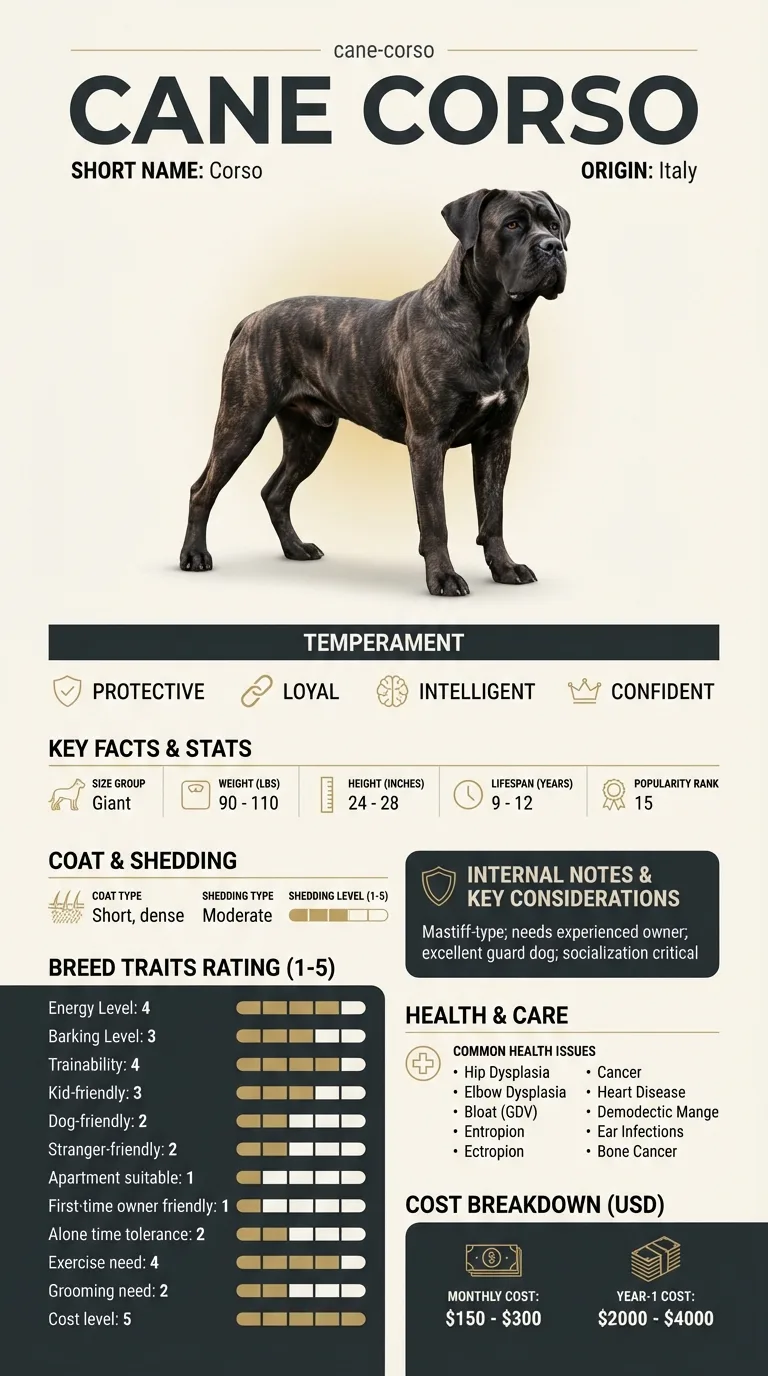
Understanding Cane Corso Genetic Predisposition to Obesity infographic

New Cane Corso owners, busy families, or anyone unfamiliar with breed-specific needs may struggle with this issue. Understanding how to manage their diet and exercise is crucial for their health.

Important reminder

This guide is not medical advice. If your dog shows pain, sudden behavior change, or worsening symptoms, consult a licensed veterinarian.

Some links may be affiliate links. We may earn a commission at no extra cost to you. We only suggest products we believe are helpful for dog owners.

What this problem looks like

Cane Corsos can face challenges with obesity due to a genetic predisposition. This breed is prone to overeating, which can lead to weight gain and health issues. Owners may notice their Corso becoming lethargic or struggling with mobility as excess weight accumulates over time.

Common triggers

  • Inactivity and lack of exercise
  • High-calorie diets or overfeeding
  • Genetic factors affecting appetite regulation

Obesity is a common issue among Cane Corsos, especially if not managed with proper diet and exercise. Many owners report struggles with maintaining a healthy weight for their dogs, making awareness of this predisposition essential.

Why this happens

Breed factors

Cane Corsos have a genetic predisposition to obesity due to a mutation in the POMC gene. This mutation can cause an increased appetite, making it challenging for them to maintain a healthy weight. Additionally, their large size requires careful management of food intake to prevent excessive weight gain.

Environment factors

Environmental factors can also contribute to obesity in Cane Corsos. Lack of exercise, poor diet, and limited socialization can lead to weight gain. Additionally, if they are kept in small living spaces without enough room to move, it can further exacerbate their tendency to become overweight.

What you can try

At-home strategies

  • Establish a consistent feeding schedule to control portion sizes. Measure out their food according to guidelines for their weight and activity level.
  • Increase daily exercise time with walks, playtime, and engaging activities. Aim for at least an hour of varied exercise each day to keep them active.
  • Introduce mental stimulation through puzzle toys or training games. This can help satisfy their intelligence and reduce boredom, which often leads to overeating.

When to consider a trainer

If you find it difficult to manage your Cane Corso's weight through diet and exercise alone, consider hiring a professional trainer. They can provide personalized training plans and techniques for behavior modification.

When to talk to your vet

Consult your vet if your Cane Corso shows significant weight gain or if you have concerns about their eating habits. They can evaluate any underlying health issues and recommend a suitable weight management plan.

Realistic expectations

You can expect to see noticeable changes in your Cane Corso's weight and behavior within 3 to 6 months of implementing a proper diet and exercise routine.

Success means your Cane Corso maintains a healthy weight, shows increased energy levels, and engages more actively in daily activities.

Mistakes that make this worse

Understanding what not to do is just as important as knowing how to manage your Cane Corso's genetic predisposition to obesity. Here are some common mistakes owners make and safer alternatives to consider.

  • Overfeeding: Many owners mistakenly believe that giving extra treats or larger portions is a sign of love. Instead, measure your dog’s food carefully and stick to a feeding schedule.
  • Skipping exercise: It's easy to overlook regular exercise, especially in busy lives. Aim for at least an hour of daily activity to keep your Cane Corso fit and happy.
  • Ignoring weight monitoring: Owners often forget to check their dog's weight regularly. Weigh your Cane Corso monthly and consult your vet if you notice significant changes.
  • Using food as a reward: Relying heavily on food for training can lead to weight gain. Instead, use praise, toys, or playtime as rewards to reinforce good behavior.
  • Neglecting mental stimulation: A bored Cane Corso may overeat out of habit. Incorporate puzzle toys and training sessions to keep their mind engaged and reduce boredom.
  • Allowing free feeding: Leaving food out all day can lead to overeating. Feed your Cane Corso at designated times to control their intake effectively.
  • Giving in to begging: Many owners give in when their dog begs for food at the table. Establish clear rules about not feeding your dog from the table to avoid reinforcing this behavior.

When Cane Corso Genetic Predisposition to Obesity is an Emergency

Knowing when to act is crucial for your Cane Corso's health. If you notice rapid weight gain or your dog is unable to exercise, it's time to call your vet. Also, if your Cane Corso shows signs of lethargy, difficulty breathing, or pain, these are red flags that require immediate attention.

On the other hand, if your Cane Corso is gaining weight gradually and is still active, you may not need to rush to the vet. Monitoring their diet and exercise while implementing a weight management plan can be effective. If you see some minor weight gain but your dog is still energetic and happy, you can keep an eye on the situation before making any drastic moves.

Understanding Cane Corso Genetic Predisposition to Obesity - When Cane Corso Genetic Predisposition to Obesity is an Emergency

A New Path for Max the Cane Corso

Sarah, a busy nurse in Atlanta, adopted Max, a Cane Corso, but soon noticed he was gaining weight rapidly. Concerned about his health, she learned that Max had a genetic predisposition to obesity due to a POMC gene mutation. After consulting with a vet and a pet nutritionist, Sarah switched Max to a vet-recommended diet and increased his daily exercise. Over the next five months, Max lost 15 pounds and became more energetic and playful, enjoying walks and playtime in the backyard.

Key takeaway: With the right diet and consistent exercise, you can successfully manage your Cane Corso's genetic predisposition to obesity.

Frequently asked questions

Why does my Cane Corso have a genetic predisposition to obesity?

Cane Corsos can have a genetic predisposition to obesity due to a mutation in the POMC gene. This mutation can lead to increased appetite and difficulty in regulating weight. It's essential to manage their diet and exercise to prevent obesity-related health issues.

How can I stop my Cane Corso from becoming obese?

To stop your Cane Corso from becoming obese, focus on a balanced diet and regular exercise. Limit treats and high-calorie foods, and aim for at least an hour of exercise daily. Monitoring their weight regularly can help catch any weight gain early.

What training methods help with Cane Corso genetic predisposition to obesity?

Training methods that focus on positive reinforcement can be effective for Cane Corsos. Encourage active play and reward them for engaging in physical activities. Consistency is key, so establish a routine that incorporates exercise into their daily life.

What role does diet play in managing Cane Corso obesity?

Diet plays a crucial role in managing a Cane Corso's weight, especially with a genetic predisposition to obesity. Choose high-quality, low-calorie dog food and avoid free-feeding. Portion control and set meal times can help regulate their calorie intake.

Are there specific health risks associated with Cane Corso obesity?

Yes, obesity in Cane Corsos can lead to various health risks, including joint problems, heart disease, and diabetes. Regular vet check-ups can help monitor their weight and overall health. If you notice signs of excessive weight gain, consult your vet for tailored advice.

What signs indicate my Cane Corso may be overweight due to genetics?

If your Cane Corso has a noticeable belly, difficulty in exercising, or seems less active than usual, these could be signs of weight gain. Additionally, if you notice that they are always hungry or begging for food, it may indicate a genetic predisposition to obesity.

How can I train my Cane Corso to manage their weight effectively?

Training your Cane Corso to manage their weight involves a combination of regular exercise and portion control. Incorporate daily walks, playtime, and obedience training to keep them active, while also monitoring their food intake to prevent overeating.

At what age should I start monitoring my Cane Corso's weight for genetic issues?

You should start monitoring your Cane Corso's weight as early as six months of age, especially if there is a family history of obesity. Regular vet check-ups can help track their growth and identify any potential weight issues early on.

Is there a specific diet recommended for Cane Corsos prone to obesity?

A diet high in protein and low in carbohydrates is often recommended for Cane Corsos prone to obesity. Consult with your vet to create a tailored diet plan that meets your dog's nutritional needs while helping to manage their weight.

How often should I take my Cane Corso to the vet for weight management advice?

It's best to visit your vet every six months for weight management advice, especially if your Cane Corso has a genetic predisposition to obesity. Regular check-ups can help you stay on top of their health and make necessary dietary adjustments.

Quick answers

View more answers
Behavior

What are quick tips for managing Cane Corso genetic predisposition to obesity?

Focus on portion control, regular exercise, and a balanced diet to manage your Cane Corso's weight. Regular vet check-ups are also important to catch any health issues early.

Living

How much exercise does a Cane Corso need to avoid obesity?

A Cane Corso needs at least an hour of exercise daily to maintain a healthy weight. Activities like walking, running, or playing fetch can be beneficial.

Training

Can training help prevent obesity in Cane Corsos?

Yes, training can help prevent obesity by encouraging physical activity and mental stimulation. Use positive reinforcement to make exercise enjoyable.

Health

What signs indicate my Cane Corso is overweight?

Signs of an overweight Cane Corso include difficulty in feeling their ribs, excessive panting, and reduced energy levels. Regular weigh-ins can help you track their weight.

Related DogBreedCompass guides

  • Cane Corso genetic predisposition to obesity trainingLearn how to manage your Cane Corso's weight effectively.
  • Cane Corso behavior problemsExplore common behavior issues that can arise due to obesity.
  • Cane Corso genetic predisposition to obesity quick tipsFind tips for preventing obesity in your Cane Corso.
  • Cane Corso exercise needs and managementUnderstand the exercise needs to keep your Cane Corso healthy.
  • Cane Corso diet and nutrition insightsDiscover how diet impacts your Cane Corso's weight management.

Related guides