Health
What are Cane Corso cataracts quick tips?
Ensure regular vet check-ups to monitor your Cane Corso's eye health. Provide a balanced diet and consider supplements that promote eye health.

Quick answer
What are Cane Corso cataracts quick tips?
Ensure regular vet check-ups to monitor your Cane Corso's eye health. Provide a balanced diet and consider supplements that promote eye health.
Cane Corso cataracts can cloud your dog's vision, leading to significant challenges in their daily life.
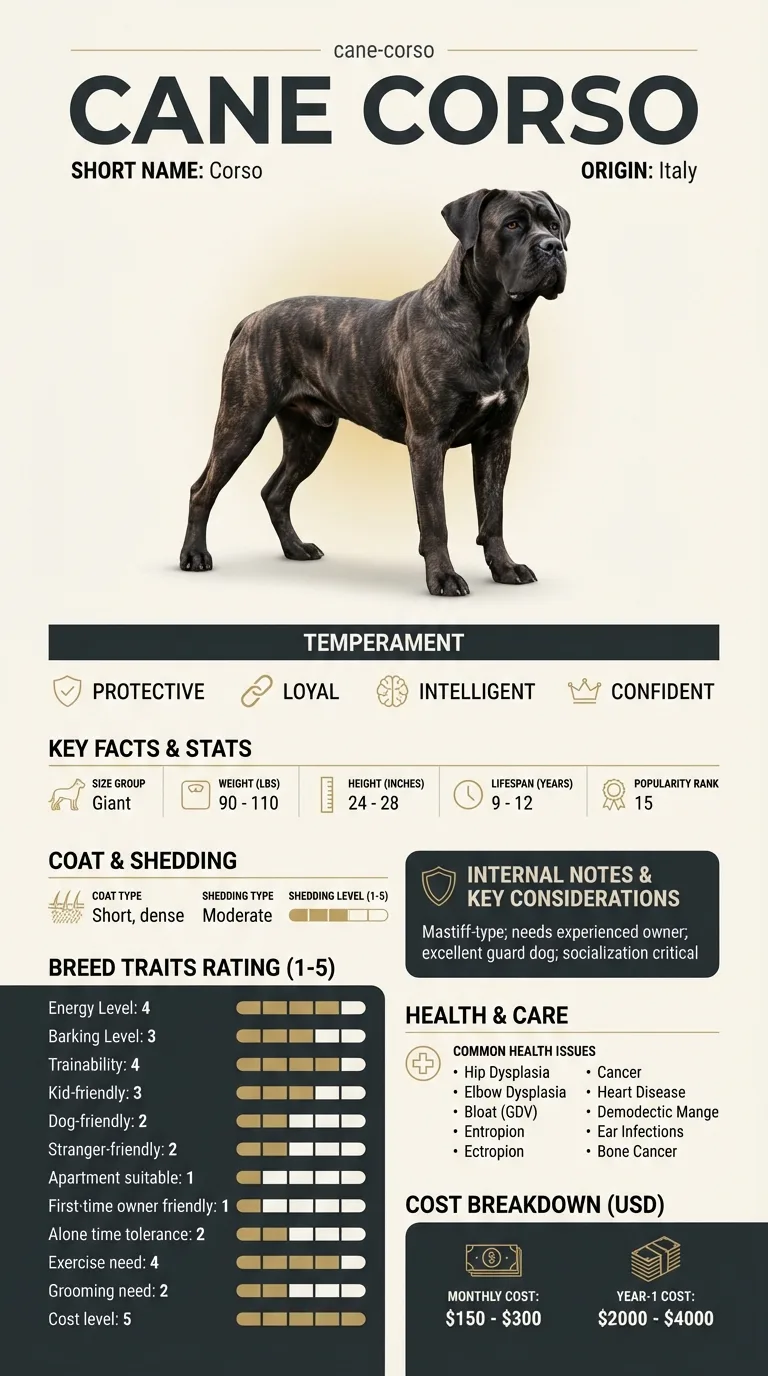
Owners of Cane Corsos, especially those with older dogs or those with a family history of eye issues, often face this challenge. It can be particularly concerning for first-time pet owners who may not recognize the signs early on.
This guide is not medical advice. If your dog shows pain, sudden behavior change, or worsening symptoms, consult a licensed veterinarian.
Some links may be affiliate links. We may earn a commission at no extra cost to you. We only suggest products we believe are helpful for dog owners.
We research and check what we publish, but we do not warrant that any figure, date, price, or statement is accurate, complete, or current, and we accept no liability for any loss, cost, injury, or other harm arising from the use of this site. Use it as one reference among several. You remain responsible for your own decisions and for your dog's care - confirm anything that matters with a licensed veterinarian or another qualified professional before you act on it. Full disclaimer.
Check this first
Recognizing when Cane Corso cataracts are an emergency is crucial for your dog's health. If your dog shows signs of sudden vision loss, severe redness in the eyes, or pawing at their face, these are red flags. You should contact your vet immediately in these situations.
Mild cases, such as slight cloudiness or slow changes in behavior, can often be monitored. If your Cane Corso is still eating, drinking, and playing normally, it’s a good sign. However, regular vet check-ups are essential to track the cataracts' progression and determine if treatment is necessary.
Be vigilant about any changes in your dog's behavior. If they seem anxious or confused in familiar environments, or if they are bumping into things, this could indicate worsening vision. Always err on the side of caution and consult a vet if you're concerned about your dog's eyesight. Early intervention can make a significant difference in your Cane Corso's quality of life.
If any of these apply, call your vet or an emergency clinic now. The rest of this page is for the cases that are not an emergency.
Cane Corso cataracts can lead to cloudy vision and, if untreated, may result in blindness. This condition typically manifests as a noticeable cloudiness in the eyes, which can affect your dog's ability to see clearly. Owners might notice their Corso bumping into objects, hesitating in low light, or showing signs of confusion.
Cataracts are relatively common in Cane Corsos, particularly as they age. While not every Corso will develop cataracts, it's important to monitor for early signs, especially in dogs over six years old.
Cane Corsos may develop cataracts due to genetic factors. Certain breeds, including the Cane Corso, are more prone to eye issues, including cataracts. This is often linked to their overall health and lineage, so a family history of eye problems can increase the risk.
Environmental factors can also contribute to cataracts in Cane Corsos. Aging, exposure to UV light, and certain health conditions like diabetes can lead to cataract formation. Additionally, nutritional deficiencies or injuries to the eye may play a role.
Talk to your vet if you notice any changes in your dog's vision or if cataracts are suspected. They can provide a thorough examination and discuss treatment options, including surgery if necessary.
Understanding common mistakes can help you avoid worsening your Cane Corso's cataracts. Here are some behaviors to steer clear of.
Start here: Cane Corso Most Common Genetic Disorders: What to Screen For
See all Cane Corso health problems, which breeds are prone to cataracts, or the full Cane Corso breed guide for temperament, exercise needs and ownership costs.
You can expect to see improvements in your Cane Corso's cataracts over several weeks to months, depending on treatment and care.
Success means clearer vision for your dog, improved quality of life, and the ability to engage more fully in daily activities.
Emily, a first-time dog owner, noticed that her Cane Corso, Max, was bumping into furniture and seemed hesitant to play. After a vet visit, she learned that Max had developed cataracts, which explained his recent behavior changes. Determined to help him, Emily followed the vet's advice, incorporating specific eye drops and supplements into Max's routine, while also adjusting his environment for safety. With patience and commitment, Emily saw significant improvements in Max's vision over a few months. He began to navigate the house confidently and returned to his playful self, chasing after toys and enjoying walks again.
Key takeaway: With the right care and a supportive environment, you can help your Cane Corso manage cataracts and improve their quality of life.
Cane Corso cataracts can develop due to genetics, age, or underlying health issues. Some breeds, including the Cane Corso, are more prone to cataracts, which may appear as the dog ages. Regular vet check-ups can help identify and manage these issues early.
While you can't always prevent cataracts, you can help by providing a healthy diet, regular exercise, and routine vet visits. Keeping your Cane Corso's weight in check and managing any underlying health conditions can also slow progression. Make sure to discuss eye care options with your veterinarian.
Treatment for Cane Corso cataracts often includes surgical removal of the cloudy lens. This procedure is typically successful and can restore vision. Always consult with a veterinary ophthalmologist to determine if surgery is the right choice for your dog.
Yes, untreated cataracts can lead to other complications, such as glaucoma or retinal detachment. Regular veterinary check-ups are essential to monitor your dog's eye health and prevent further problems. Early intervention can make a significant difference.
Common signs include cloudy eyes, changes in behavior, and difficulty seeing in dim light. If you notice these symptoms, it's crucial to schedule a vet appointment. Early detection can help manage the condition more effectively.
Support your Cane Corso by creating a safe environment, minimizing obstacles, and providing gentle guidance when walking. Establish a consistent routine to help your dog feel secure. Additionally, consider training exercises that focus on their other senses.
Yes, cataracts can be hereditary in Cane Corsos. If your dog has a family history of eye issues, it's wise to discuss this with your vet and consider regular eye exams to catch any problems early.
Managing cataracts at home includes ensuring your Cane Corso has a safe environment to prevent injuries due to vision loss. You can also provide a consistent routine to help your dog navigate familiar spaces more easily.
Yes, older Cane Corsos are more prone to developing cataracts. As dogs age, their eye lenses can become cloudy, so regular vet check-ups are essential to monitor their eye health.
Ensure regular vet check-ups to monitor your Cane Corso's eye health. Provide a balanced diet and consider supplements that promote eye health.
Cane Corso cataract surgery can range from $2,000 to $4,000, depending on the complexity and location. Always consult with your vet for a detailed estimate.
Yes, vision loss can lead to anxiety in dogs. Maintaining a familiar environment and routine can help ease their stress.
Yes, cataracts can be hereditary, particularly in certain breeds like the Cane Corso. Responsible breeding practices can help reduce the incidence.
Use positive reinforcement and focus on verbal commands to guide your Cane Corso. Keep training sessions short and engaging to maintain their interest.
A one-page prep sheet for this condition: the signs, the questions to ask, what to get priced. Unlocks here.
You get: Vet visit prep sheet
No spam. One-click unsubscribe. See our privacy policy.
Preview page 1 before you decide.