Behavior
What are quick tips for Cane Corso bloat (gastric dilatation-volvulus/gdv)?
Feed smaller, more frequent meals and avoid exercise right after eating. Use slow feeder bowls to help prevent gulping.
Cane Corso bloat, also known as gastric dilatation-volvulus (GDV), is a serious health risk that can affect your dog suddenly. (Cane Corso bloat (gastric dilatation-volvulus/gdv))
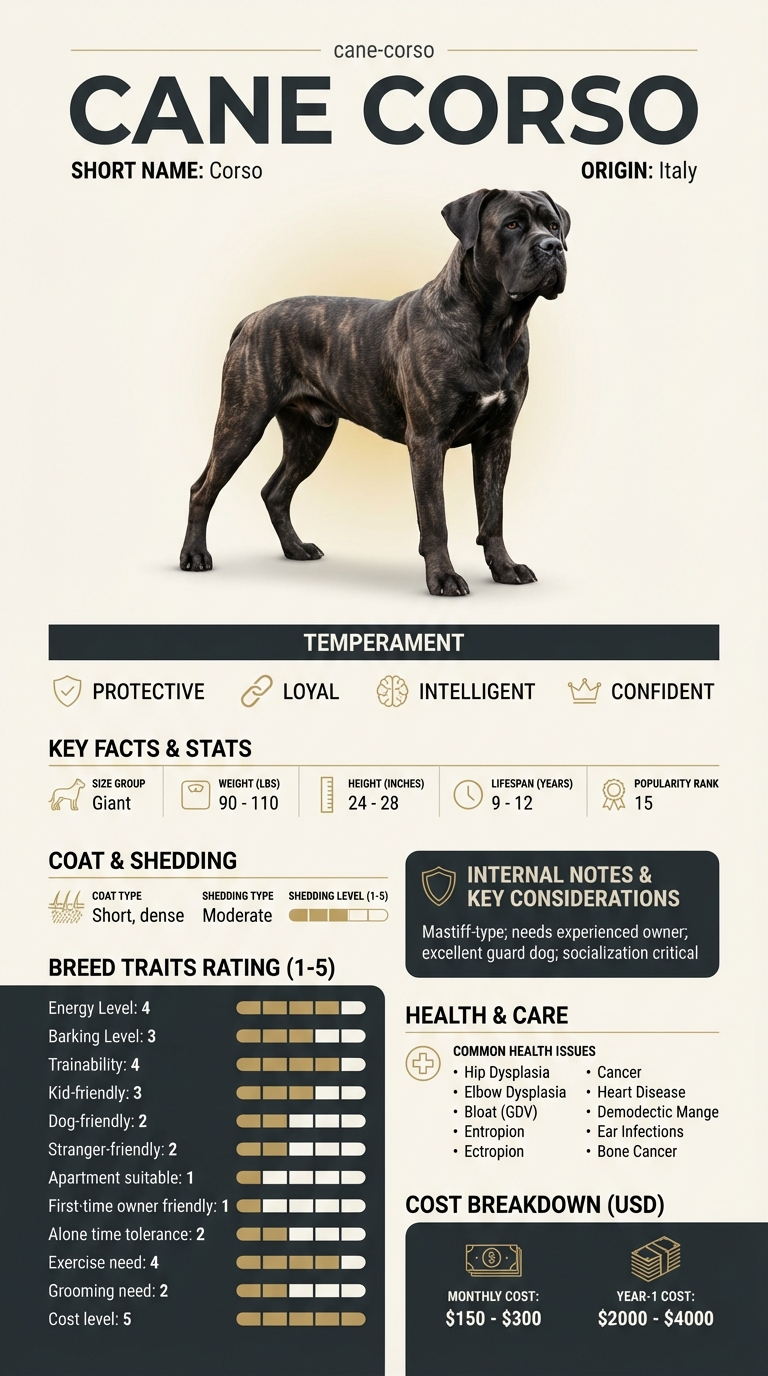
Cane Corso owners, especially those new to the breed, may struggle with recognizing the signs of bloat. Busy families or first-time dog owners may not be aware of the risk factors and preventive measures needed.
This guide is not medical advice. If your dog shows pain, sudden behavior change, or worsening symptoms, consult a licensed veterinarian.
Some links may be affiliate links. We may earn a commission at no extra cost to you. We only suggest products we believe are helpful for dog owners.
Cane Corso bloat, also known as gastric dilatation-volvulus (GDV), is a serious and potentially life-threatening condition. It often occurs suddenly and can be triggered by factors like overeating, drinking too quickly, or exercising immediately after meals. Owners may notice their dog appearing restless, having a distended abdomen, or trying to vomit without success.
Bloat is particularly common in giant breeds like the Cane Corso, with studies showing that certain breeds are at higher risk. While not every Cane Corso will experience bloat, it remains a significant concern for the breed, making awareness and preventive measures essential.
Cane Corsos are large, deep-chested dogs, making them more prone to bloat (gastric dilatation-volvulus or GDV). Their size and anatomy can lead to the stomach twisting, especially after eating or drinking. Additionally, traits like their protective nature may lead them to gulp food quickly, further increasing the risk.
Stressful environments can trigger bloat in Cane Corsos. Factors such as sudden changes in routine, lack of exercise, or even eating in a competitive atmosphere can contribute. Overeating or consuming large amounts of water immediately after eating can also be significant environmental factors.
If your Cane Corso continues to gulp food or shows signs of anxiety around meal times, consider consulting a professional trainer. They can help with behavior modification strategies to make meal times less stressful.
If your Cane Corso shows signs of bloating, such as a distended abdomen, rapid breathing, or restlessness, contact your vet immediately. Bloat is a serious condition that requires prompt medical attention.
If you start noticing signs of bloat in your Cane Corso, seek veterinary help immediately. With prompt treatment, many dogs recover within a few days, but ongoing management may take weeks.
Success means your Cane Corso avoids future episodes of bloat. This includes learning preventive measures, such as feeding smaller meals and avoiding intense exercise after eating.
Avoiding common mistakes can help manage your Cane Corso's bloat (gastric dilatation-volvulus/GDV) effectively. Here are some behaviors to steer clear of.
Cane Corso bloat, or gastric dilatation-volvulus (GDV), can quickly become life-threatening. It's crucial to recognize the signs that indicate a medical emergency. If your Cane Corso exhibits symptoms such as a distended abdomen, excessive drooling, restlessness, or attempts to vomit without success, you should call your vet immediately. These red flags often signify that the stomach has twisted, which can lead to severe complications.
In some cases, mild signs of bloat may not require immediate action. If your Cane Corso seems a bit uncomfortable, has a slight belly swelling, or shows mild signs of distress, you can monitor them closely. Ensure they are hydrated and try to keep them calm, as stress can worsen the situation. However, keep a close eye on their condition and be ready to act if symptoms worsen.
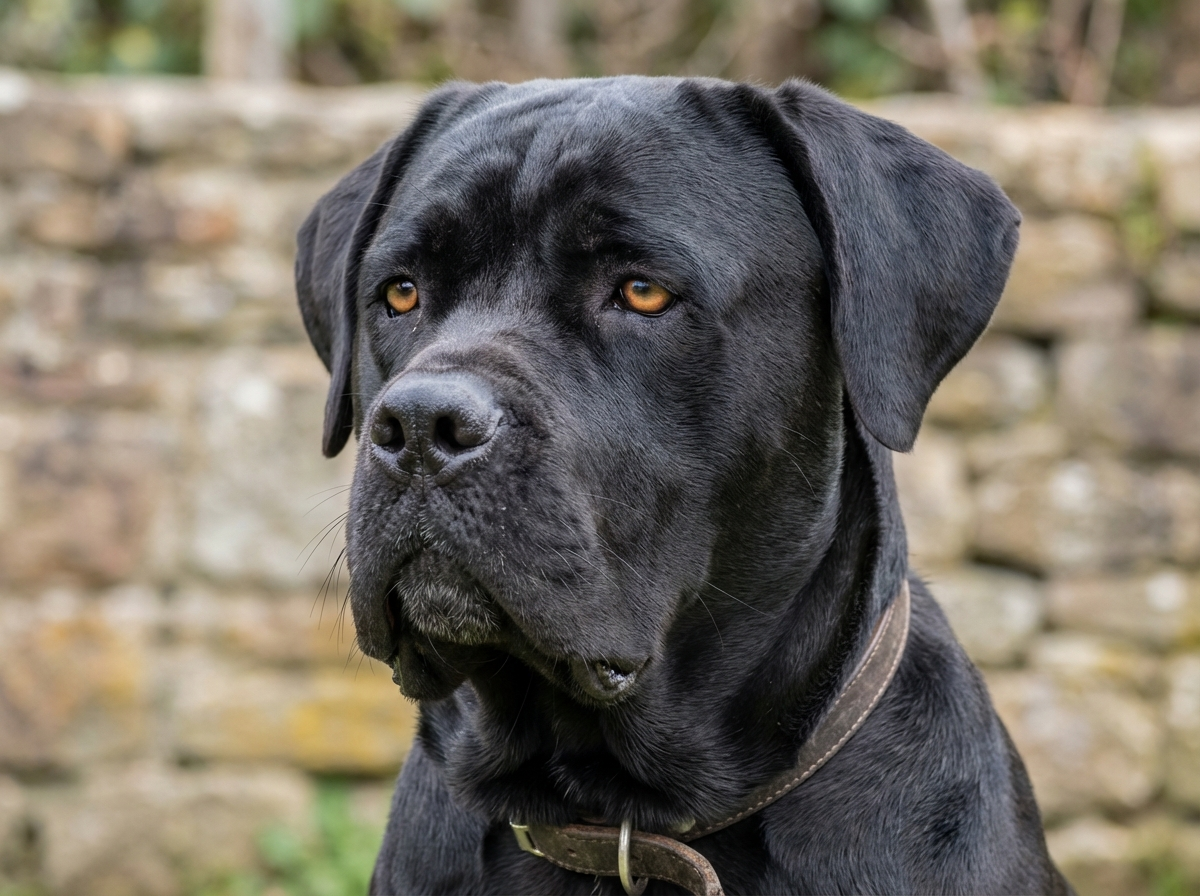
Sarah, a dedicated Cane Corso owner from Atlanta, noticed her dog Max seemed uncomfortable after meals. After a scary trip to the emergency vet for bloat (gastric dilatation-volvulus/GDV), she learned about the risks. With guidance from her vet, Sarah adjusted Max's feeding schedule, switched him to smaller meals, and included relaxing post-meal walks. Over time, Max became more comfortable and avoided further bloat episodes.
Key takeaway: Being proactive and following veterinary advice can help manage and prevent serious issues like bloat in your Cane Corso.
Cane Corso bloat occurs when the stomach fills with gas and twists. Factors like eating too fast, lack of exercise, or stress can increase the risk. Always monitor your dog's eating habits and consult a vet if you notice any signs of distress.
To prevent bloat, feed your Cane Corso smaller meals throughout the day instead of one large meal. Avoid vigorous exercise right after eating. Additionally, using a slow feeder bowl can help reduce the speed at which they eat.
Signs of bloat include a distended abdomen, unproductive vomiting, restlessness, and signs of pain. If you notice these symptoms, seek immediate veterinary care as bloat can quickly become life-threatening.
If you suspect bloat, take your Cane Corso to the vet immediately. This condition requires urgent treatment, which may involve surgery or other interventions to relieve the pressure in the stomach.
Feeding a high-quality diet that is lower in fat and fiber can help prevent bloat. Additionally, avoid foods that are known to cause gas, and consult your vet for specific dietary recommendations tailored to your Cane Corso.
Training your Cane Corso to eat slowly can help reduce the risk of bloat. Consider using commands that encourage patience during mealtimes, and reward them for calm behavior when eating.
Bloat in Cane Corsos can be caused by overeating, eating too quickly, or exercising right after a meal. Stress and anxiety can also contribute to the condition. It's important to monitor your dog's eating habits and environment to reduce risks.
Signs of bloat include a distended abdomen, restlessness, excessive drooling, and attempts to vomit without success. If you notice these symptoms, you should seek veterinary attention immediately. Bloat is a medical emergency that requires prompt treatment.
Yes, older Cane Corsos can be at a higher risk for bloat due to age-related factors such as decreased mobility and digestive issues. Regular vet check-ups can help monitor their health and catch potential problems early. Always be attentive to any changes in their behavior or eating habits.
Preventive measures include feeding smaller, more frequent meals and using slow feeder bowls to reduce gulping. Avoid vigorous exercise right after eating and maintain a calm environment during mealtimes. These practices can significantly lower the risk of bloat.
Consulting your vet about a balanced diet tailored for your Cane Corso's needs is crucial. High-quality dog food with appropriate fiber levels may help digestion. Additionally, avoiding high-fat foods can also reduce the risk of bloat.
Feed smaller, more frequent meals and avoid exercise right after eating. Use slow feeder bowls to help prevent gulping.
Treatment for Cane Corso bloat can range from $1,500 to $7,500 depending on the severity and required interventions.
Watch for signs like a swollen belly, distress, and unproductive vomiting. If any symptoms arise, contact your vet immediately.