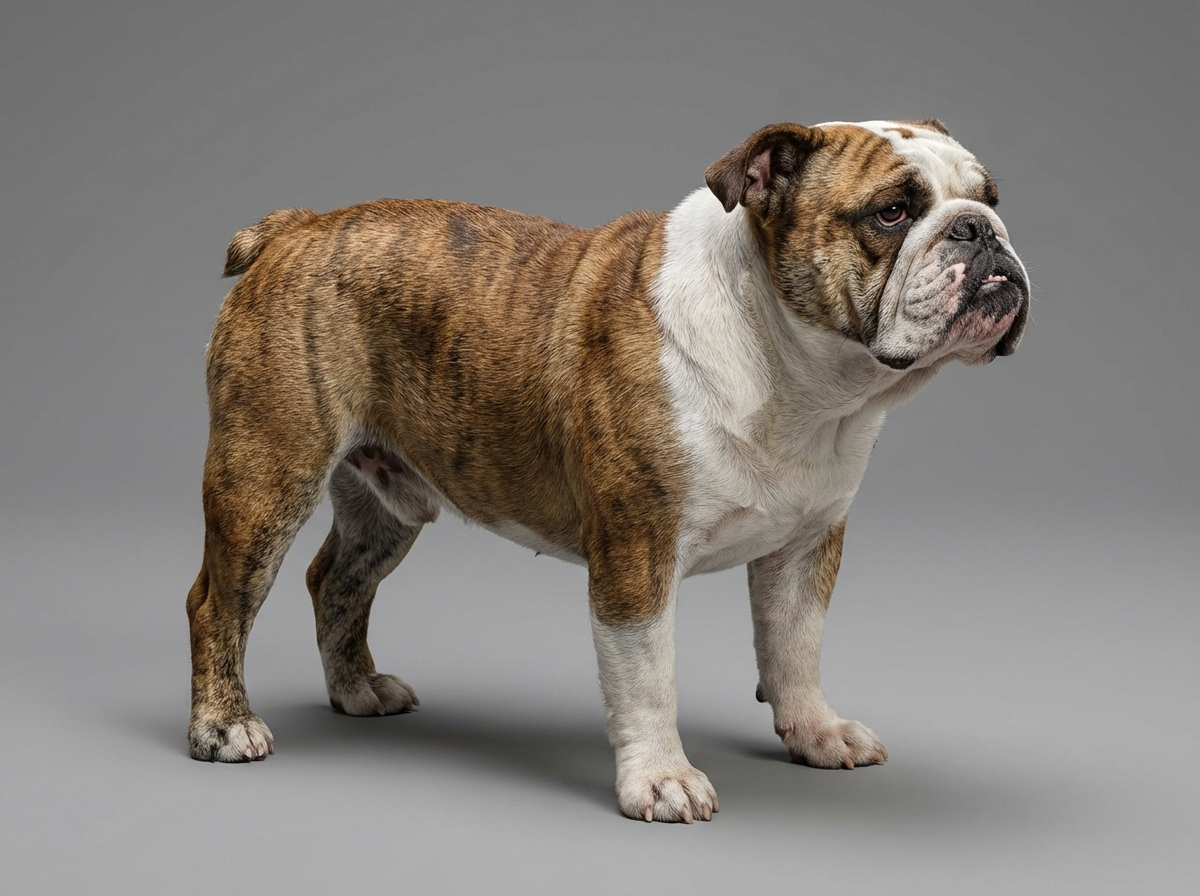
Behavior
What are quick tips for managing Bulldog (English) PRA?
Use consistent commands and create a safe environment for your Bulldog. Keep furniture in the same place to help them navigate easily.

Quick answer
What are quick tips for managing Bulldog (English) PRA?
Use consistent commands and create a safe environment for your Bulldog. Keep furniture in the same place to help them navigate easily.
Bulldog (English) progressive retinal atrophy (PRA) is a serious eye condition that leads to gradual vision loss.
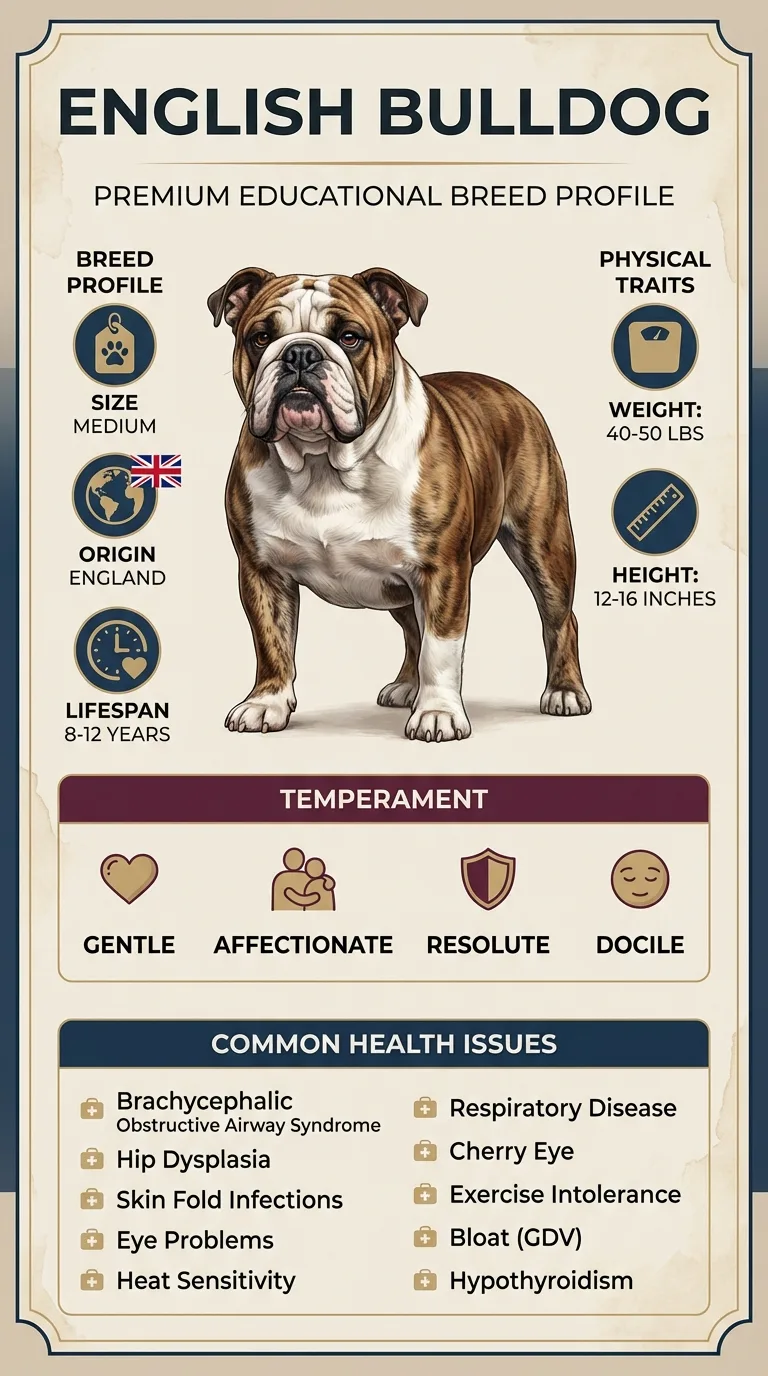
Typically, Bulldog owners who notice their pets struggling with vision issues face this challenge. New pet parents or those unfamiliar with canine health may find it especially difficult to navigate.
This guide is not medical advice. If your dog shows pain, sudden behavior change, or worsening symptoms, consult a licensed veterinarian.
Some links may be affiliate links. We may earn a commission at no extra cost to you. We only suggest products we believe are helpful for dog owners.
We research and check what we publish, but we do not warrant that any figure, date, price, or statement is accurate, complete, or current, and we accept no liability for any loss, cost, injury, or other harm arising from the use of this site. Use it as one reference among several. You remain responsible for your own decisions and for your dog's care - confirm anything that matters with a licensed veterinarian or another qualified professional before you act on it. Full disclaimer.
Check this first
It's crucial to know when Bulldog (English) progressive retinal atrophy (PRA) is an emergency. If you notice sudden changes in your dog's vision, such as bumping into objects or having difficulty navigating familiar spaces, it’s time to call your vet. Other red-flag signs include excessive pawing at the eyes, sudden behavioral changes like anxiety or aggression, and any signs of pain or discomfort.
In contrast, if your Bulldog is showing gradual vision loss without signs of distress, it may be a situation to monitor. Keep an eye on their behavior and environment. If they adapt well and seem comfortable, you can wait and observe.
Regular vet check-ups can help track the progression of PRA and ensure your dog remains as happy and healthy as possible.
If any of these apply, call your vet or an emergency clinic now. The rest of this page is for the cases that are not an emergency.
Bulldog (English) progressive retinal atrophy (PRA) is a serious condition that leads to gradual vision loss. Owners may notice their Bulldog struggling to see well, especially in low light or when navigating around the house. This can manifest as bumping into furniture, hesitating before jumping down, or showing signs of confusion in familiar environments.
Progressive retinal atrophy is relatively common in Bulldogs, particularly as they age. Many Bulldogs may experience some degree of vision impairment due to this condition, making early detection and management crucial for maintaining their quality of life.
Bulldogs are prone to certain genetic conditions, including Progressive Retinal Atrophy (PRA). This hereditary issue leads to degeneration of the retina, causing gradual vision loss. Since this breed has a history of eye problems, they are more susceptible to PRA than other breeds.
Environmental factors can also play a role in the progression of PRA. Poor lighting conditions or excessively bright environments can strain their eyes. Additionally, lack of mental stimulation may lead to less engagement with their surroundings, making their vision issues more apparent.
If you notice any sudden changes in your Bulldog's vision or behavior, it's crucial to talk to your vet. They can provide a thorough examination and may recommend treatments or therapies to help manage their condition.
Avoiding certain mistakes can help manage your Bulldog's (English) progressive retinal atrophy (PRA) better. Here are some common pitfalls and safer alternatives.
Start here: English Bulldog Most Common Genetic Disorders: Screening
See all Bulldog health problems, which breeds are prone to progressive retinal atrophy pra, or the full Bulldog breed guide for temperament, exercise needs and ownership costs.
Managing Bulldog (English) progressive retinal atrophy (PRA) typically takes several months to see noticeable improvements. Consistent care and adjustments in your dog's environment can yield positive changes within 6 to 12 months.
Success means your Bulldog adapts well to their vision loss, learns new cues, and feels comfortable navigating their surroundings. They should show reduced anxiety and improved confidence as they adjust.
Sarah, a busy nurse in Seattle, noticed her Bulldog, Max, was struggling to find his toys and bumping into furniture. After a vet diagnosis of progressive retinal atrophy (PRA), she felt overwhelmed. Sarah decided to create a safe space for Max and started using sound cues and tactile markers around the house. Over months of consistent training, Max learned to rely on his other senses. Sarah was thrilled to see him confidently navigating their home and enjoying walks without fear.
Key takeaway: With patience and the right strategies, Bulldogs with PRA can lead fulfilling lives. It's essential to adapt their environment and utilize training techniques to support their vision loss.
Bulldog (English) progressive retinal atrophy (PRA) is often inherited and results from genetic mutations. This condition leads to progressive vision loss as the retina deteriorates over time. Regular vet check-ups can help monitor your dog's eye health.
While there is no cure for PRA, you can help your Bulldog adapt to vision loss. Use consistent verbal cues and maintain a familiar environment to aid navigation. Consider using harnesses with reflective materials for safer outdoor activities.
Signs of Bulldog (English) progressive retinal atrophy (PRA) include difficulty seeing in low light, bumping into objects, and changes in behavior such as increased anxiety. Look for these changes and consult your vet if you notice anything unusual.
Unfortunately, PRA cannot be prevented due to its genetic nature. Responsible breeding practices can help reduce the risk of genetic conditions. Always choose a reputable breeder who tests for hereditary issues.
Currently, there is no treatment to reverse PRA in Bulldogs. Management focuses on adapting to the condition through training and environmental adjustments. Regular check-ups can help monitor your dog's eye health.
Currently, there is no cure for Bulldog (English) progressive retinal atrophy (PRA). Treatment focuses on managing the condition and ensuring your dog remains comfortable as their vision changes.
Early signs of PRA in Bulldogs may include difficulty seeing in low light, bumping into objects, or becoming hesitant in new environments. If you notice these changes, consult your veterinarian for a thorough examination.
To help your Bulldog cope with PRA, maintain a consistent home environment, use verbal cues, and avoid rearranging furniture. Training can also assist in building their confidence and adapting to vision loss.
Yes, progressive retinal atrophy (PRA) is more commonly diagnosed in older Bulldogs as it typically develops gradually. Regular veterinary check-ups are essential to monitor their eye health as they age.
If you notice any signs of vision loss or changes in your Bulldog's behavior, it's important to consult your veterinarian. Early detection and discussion can help you understand the best care options for your pet.
Use consistent commands and create a safe environment for your Bulldog. Keep furniture in the same place to help them navigate easily.
It's best to have your Bulldog checked at least once a year, or more often if you notice changes in their vision or behavior.
While no specific diet can cure PRA, a balanced diet rich in antioxidants may support overall eye health. Always consult your vet for dietary advice.
Remove obstacles and keep pathways clear. Provide tactile markers on furniture to help them identify spaces.
A one-page prep sheet for this condition: the signs, the questions to ask, what to get priced. Unlocks here.
You get: Vet visit prep sheet
No spam. One-click unsubscribe. See our privacy policy.
Preview page 1 before you decide.