Behavior
What are quick tips for Bulldog (English) obesity?
Limit treats to healthy options and maintain portion control. Regular exercise is essential; aim for at least 30 minutes of activity daily. Consult your vet for a weight management plan.

Quick answer
What are quick tips for Bulldog (English) obesity?
Limit treats to healthy options and maintain portion control. Regular exercise is essential; aim for at least 30 minutes of activity daily. Consult your vet for a weight management plan.
Bulldog (English) obesity is a serious health issue that can lead to various complications.
Many Bulldog owners find it challenging to manage their dog's weight. Busy families, first-time dog owners, and those living in apartments often face difficulties in providing the right exercise and diet.
This guide is not medical advice. If your dog shows pain, sudden behavior change, or worsening symptoms, consult a licensed veterinarian.
Some links may be affiliate links. We may earn a commission at no extra cost to you. We only suggest products we believe are helpful for dog owners.
We research and check what we publish, but we do not warrant that any figure, date, price, or statement is accurate, complete, or current, and we accept no liability for any loss, cost, injury, or other harm arising from the use of this site. Use it as one reference among several. You remain responsible for your own decisions and for your dog's care - confirm anything that matters with a licensed veterinarian or another qualified professional before you act on it. Full disclaimer.
Check this first
Understanding when Bulldog (English) obesity becomes an emergency is crucial for your dog's health. Immediate veterinary attention is needed if your dog shows signs of severe discomfort or distress. Look for symptoms like difficulty breathing, vomiting, lethargy, or refusal to eat.
These can indicate serious health problems related to obesity that require urgent care.
On the other hand, if your Bulldog is overweight but still active and eating normally, you can monitor the situation at home. Keep track of their weight and adjust their diet gradually. Regular exercise is key, so consider daily walks or playtime to help them shed pounds.
A structured plan can be effective in managing their weight without rushing to the vet.
It's essential to create a plan that includes a balanced diet and exercise. However, if you notice any sudden changes in your dog's behavior or health, don't hesitate to consult your veterinarian. They can provide tailored advice for your pup's unique needs.
If any of these apply, call your vet or an emergency clinic now. The rest of this page is for the cases that are not an emergency.
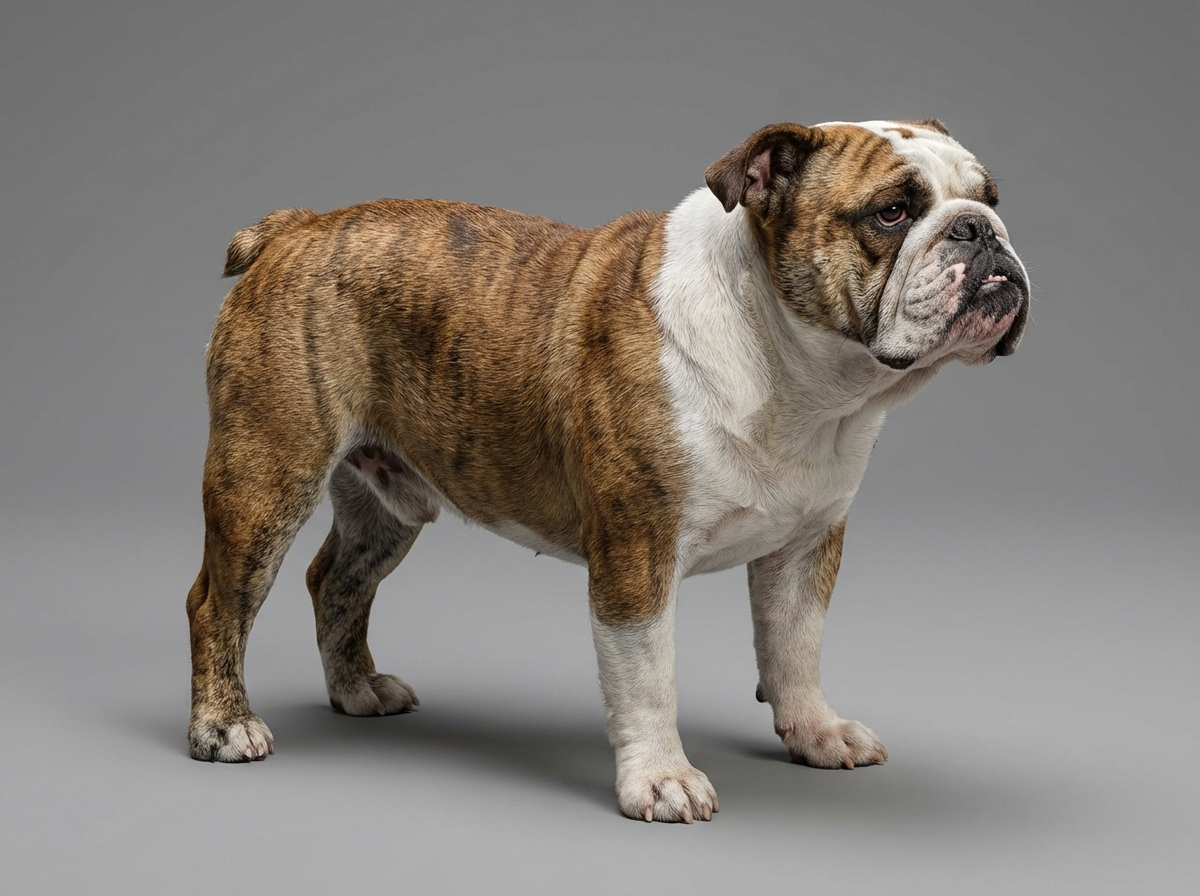
Bulldog (English) obesity is a serious issue that many owners face. It often manifests as excess weight, making their beloved pets sluggish and prone to health problems. This breed, known for its gentle and affectionate nature, can easily become overweight if not properly managed, especially since they have a lower energy level and a tendency to enjoy their food.
Obesity in Bulldogs is quite common, with studies showing that a significant percentage of this breed struggles with weight management. Given their unique physical structure and lifestyle, many Bulldogs may easily tip the scales into unhealthy territory, making it vital for owners to monitor their weight closely.
Bulldogs (English) are prone to obesity due to their genetics and body structure. Their stocky build makes them more susceptible to weight gain, especially if they have a low energy level and reduced activity. Additionally, some Bulldogs may have a natural tendency to overeat, often leading to excessive weight.
The environment plays a significant role in Bulldog obesity. Factors such as a sedentary lifestyle, lack of exercise, and easy access to high-calorie treats contribute to weight gain. If their owners do not prioritize regular walks or playtime, Bulldogs can quickly become overweight.
If you suspect your Bulldog may have underlying health issues related to obesity, such as joint pain or breathing difficulties, consult your vet. They can assess your dog's health and recommend a weight management plan that includes diet adjustments and medical interventions if necessary.
Managing Bulldog (English) obesity can be tricky. Here are common mistakes to avoid and healthier alternatives.
Start here: English Bulldog Most Common Genetic Disorders: Screening
See all Bulldog health problems, which breeds are prone to obesity, or the full Bulldog breed guide for temperament, exercise needs and ownership costs.
Expect to see noticeable changes in your Bulldog's weight and energy levels within 8 to 12 weeks of a consistent diet and exercise plan.
Success means your Bulldog reaches a healthy weight, has increased energy, and shows improved overall health. You'll also see better mobility and less strain on their joints.
Emily, a busy nurse in Seattle, noticed her English Bulldog, Max, was gaining weight. At his last vet visit, he tipped the scales at 58 pounds, well above the recommended weight. Worried about his health, she committed to a weight loss plan that included portion control, a high-quality dog food, and daily walks. Initially, Max resisted the change, but with patience and consistency, he adapted. After three months, he lost 8 pounds and had more energy to play. Emily felt relieved and proud; Max was healthier and happier.
Key takeaway: With dedication and a structured approach, you can help your Bulldog achieve a healthy weight and improve their quality of life.
Bulldogs (English) can become obese due to overfeeding, lack of exercise, and genetic predispositions. Their gentle nature makes them less likely to be active, leading to weight gain if not managed. Monitor their diet and encourage regular playtime to help maintain a healthy weight.
To stop Bulldog (English) obesity, start by adjusting their diet to include high-quality dog food with controlled portion sizes. Incorporate daily walks and playtime to increase their activity level. Consult your vet for personalized advice and weight management plans.
Training your Bulldog (English) to be more active can involve fun games like fetch or agility training. Use positive reinforcement to reward them for participating in exercise. Gradually increase the activity duration as they become more comfortable.
You can tell if your Bulldog (English) is overweight by checking their body shape. They should have a visible waist when viewed from above and their ribs should be felt but not seen. If you’re uncertain, consult your vet for a professional assessment.
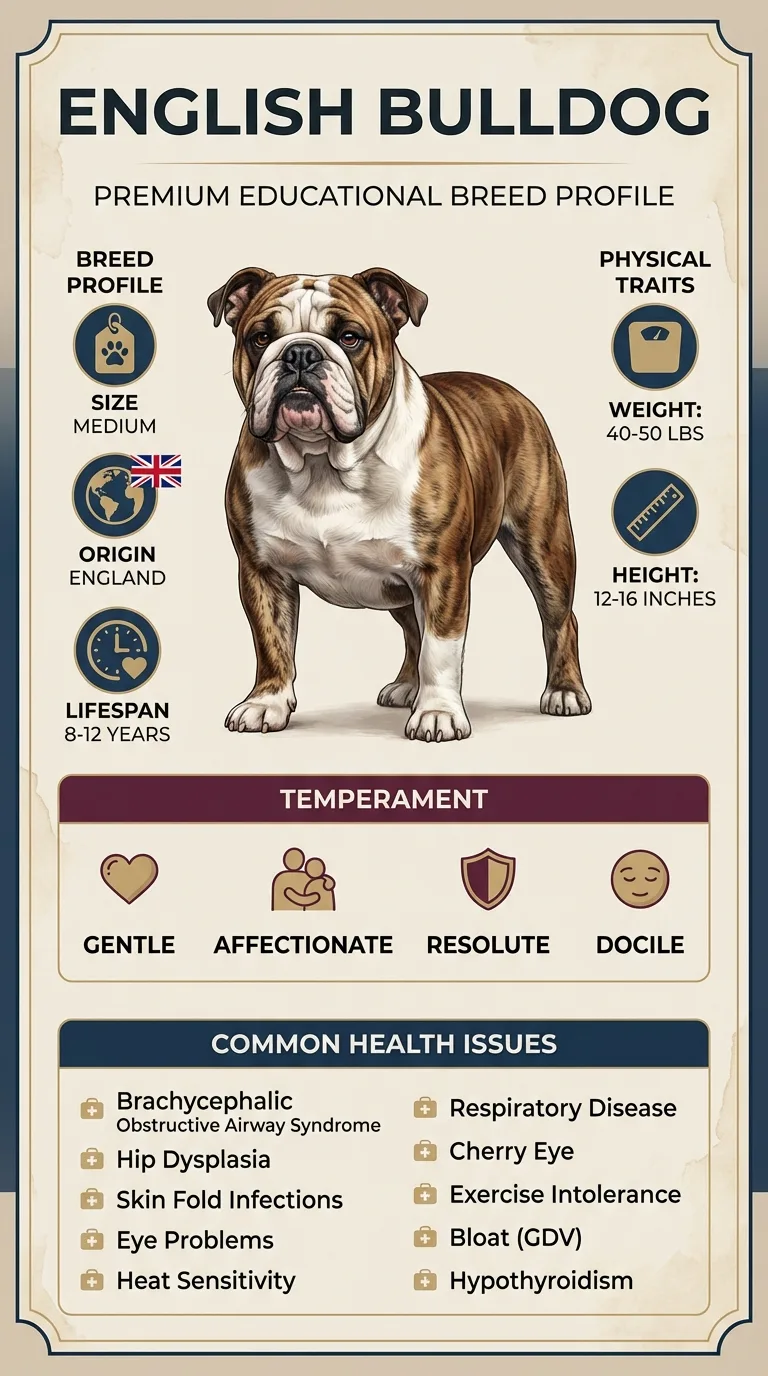
Obesity in Bulldogs (English) can lead to serious health issues like diabetes, joint problems, and respiratory issues due to their brachycephalic nature. Maintaining a healthy weight is crucial to avoid these risks and ensure they live a longer, happier life.
Yes, Bulldog (English) obesity can often be managed at home by implementing a balanced diet and regular exercise routine. It's important to monitor their food intake and encourage playtime to promote weight loss. However, always consult your vet for tailored advice.
If your Bulldog (English) is gaining weight rapidly or showing signs of discomfort, it's time to consult a vet. Additionally, if you notice any unusual behaviors or health issues, such as lethargy or difficulty breathing, seek professional guidance. Regular check-ups can help monitor their weight effectively.
Yes, older Bulldogs (English) can be more prone to obesity due to decreased activity levels and slower metabolism. It's important to adjust their diet and exercise routine as they age. Regular vet visits can help ensure their weight stays in a healthy range.
To prevent obesity in Bulldogs, choose high-quality dog food that is appropriate for their age and activity level. Look for options that are lower in calories and contain plenty of protein. Consult your vet for tailored recommendations based on your Bulldog's specific needs.
To help your Bulldog (English) lose weight safely, gradually decrease their food portions and increase exercise. Activities like short walks or gentle playtime can make a big difference. Always consult your vet before making significant changes to their diet or exercise plan.
Limit treats to healthy options and maintain portion control. Regular exercise is essential; aim for at least 30 minutes of activity daily. Consult your vet for a weight management plan.
An adult Bulldog (English) typically weighs between 40 to 50 pounds. Keeping them within this range is important for their overall health and well-being.
A high-quality, balanced diet with controlled portions is best for preventing obesity in Bulldogs (English). Look for dog food specifically formulated for their needs.
Yes, exercise is crucial for Bulldogs (English) to maintain a healthy weight and prevent obesity. Aim for daily walks and interactive play to keep them active.
A one-page prep sheet for this condition: the signs, the questions to ask, what to get priced. Unlocks here.
You get: Vet visit prep sheet
No spam. One-click unsubscribe. See our privacy policy.
Preview page 1 before you decide.