Behavior
What are quick tips for Bulldog (English) neurologic disease?
Stay vigilant for symptoms like unsteady walking or seizures, and consult your vet immediately if they occur.

Quick answer
What are quick tips for Bulldog (English) neurologic disease?
Stay vigilant for symptoms like unsteady walking or seizures, and consult your vet immediately if they occur.
Bulldog (English) neurologic disease can severely impact your dog's quality of life. Understanding this condition is crucial for their well-being.
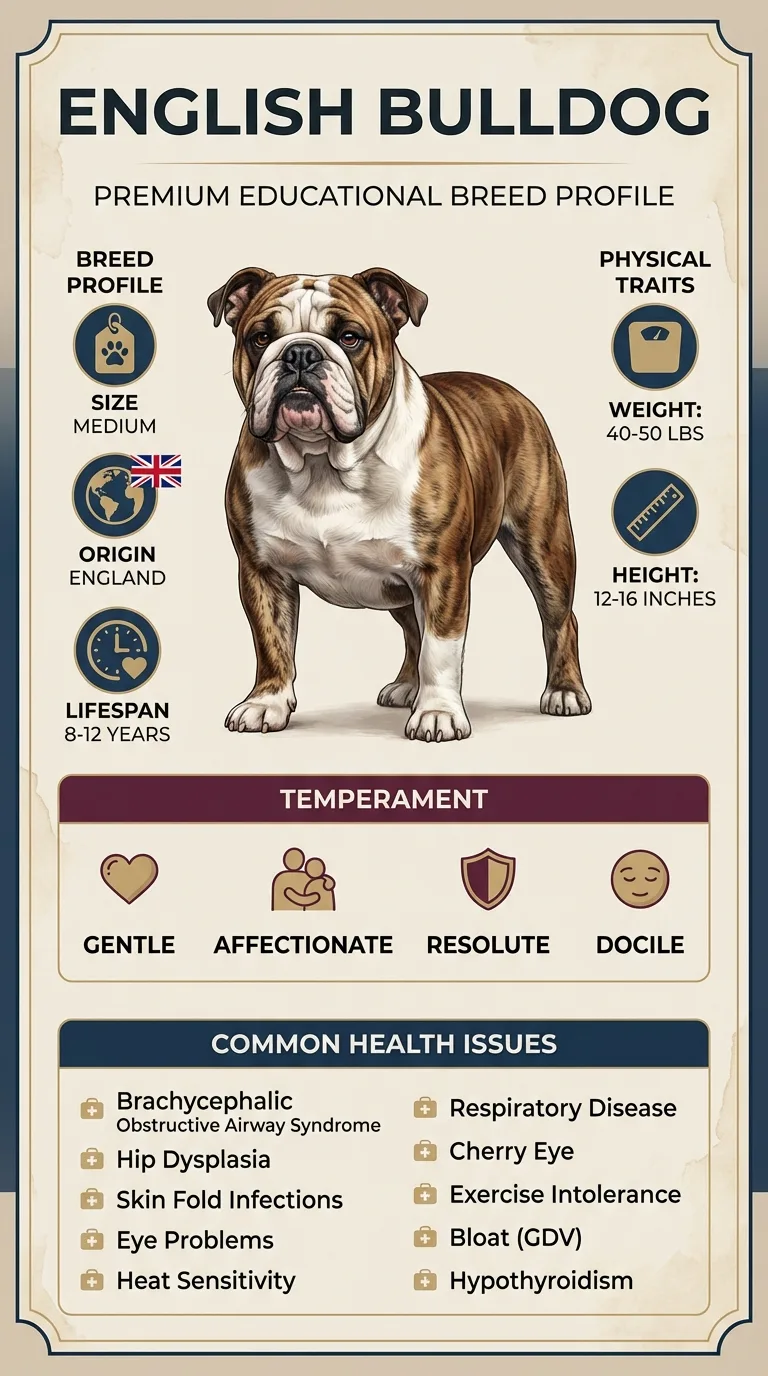
Typically, owners of Bulldogs who notice unusual behaviors or physical symptoms become worried. This includes families who may not be aware of the specific health issues associated with the breed.
This guide is not medical advice. If your dog shows pain, sudden behavior change, or worsening symptoms, consult a licensed veterinarian.
Some links may be affiliate links. We may earn a commission at no extra cost to you. We only suggest products we believe are helpful for dog owners.
We research and check what we publish, but we do not warrant that any figure, date, price, or statement is accurate, complete, or current, and we accept no liability for any loss, cost, injury, or other harm arising from the use of this site. Use it as one reference among several. You remain responsible for your own decisions and for your dog's care - confirm anything that matters with a licensed veterinarian or another qualified professional before you act on it. Full disclaimer.
Check this first
Recognizing when Bulldog (English) neurologic disease becomes an emergency is crucial. If your Bulldog shows sudden changes in behavior, such as severe disorientation, inability to walk, or seizures, these are red flags. You should call your vet immediately if your dog exhibits these symptoms.
Other emergency signs include excessive lethargy, unresponsiveness, or sudden paralysis. These conditions require urgent medical attention to prevent serious complications.
On the other hand, if your Bulldog has mild symptoms like occasional wobbliness or slight incoordination, it may be possible to monitor the situation. Keep track of these symptoms over a few days. If they persist or worsen, consult your vet.
It's essential to keep a detailed log of any changes, as this information can help your vet provide better care.
In summary, if your Bulldog experiences severe symptoms, don’t hesitate to seek help. For milder cases, a watchful waiting approach can be appropriate, but always trust your instincts. When in doubt, it's better to be safe and reach out to your veterinarian for guidance.
If any of these apply, call your vet or an emergency clinic now. The rest of this page is for the cases that are not an emergency.
Bulldogs (English) can face neurologic disease, which affects their movement and behavior. This condition can cause symptoms like weakness, seizures, and difficulty in coordination. Owners may notice their Bulldog struggling to walk or showing signs of confusion, leading to daily challenges in care and management.
Neurologic disease is relatively common among Bulldogs, with studies showing they are at a 291% higher risk compared to other breeds. Many Bulldog owners may encounter neurologic issues, making awareness and early intervention crucial.
Bulldogs are known for specific genetic predispositions that can lead to neurologic diseases. Their unique anatomy, including a brachycephalic skull shape, can affect brain function and increase the risk of certain conditions. Additionally, Bulldogs may inherit traits that contribute to neurological issues, making them more vulnerable than other breeds.
Environmental factors can also play a significant role in the development of neurologic diseases in Bulldogs. Stressful situations, such as frequent moves or changes in the household, can trigger or worsen symptoms. Furthermore, poor diet, lack of mental stimulation, and inadequate exercise can contribute to neurologic problems by affecting overall health.
If you notice signs such as seizures, coordination problems, or drastic behavior changes, seek veterinary advice immediately. Neurologic diseases can escalate quickly, and early intervention is crucial for the best outcomes.
Avoiding certain common behaviors can help your Bulldog (English) with neurologic disease feel better. Here are mistakes to steer clear of, along with safer alternatives.
Start here: English Bulldog Most Common Genetic Disorders: Screening
See all Bulldog health problems, which breeds are prone to neurologic disease, or the full Bulldog breed guide for temperament, exercise needs and ownership costs.
Managing Bulldog (English) neurologic disease can take several months. Consistency in treatment and follow-up is key.
Success means improved mobility and coordination, along with a noticeable reduction in anxiety and stress for both you and your Bulldog.
Max, a lively Bulldog, started showing signs of neurologic disease when he was three. His owner, Sarah, noticed he struggled to navigate stairs and became anxious during car rides. After consulting a vet, Sarah began a tailored training and care plan that included gentle exercises and calming techniques. Over time, Max became more confident and less fearful, allowing him to enjoy daily walks and playtime again.
Key takeaway: Patience and a structured plan can help Bulldogs with neurologic disease regain their confidence and improve their quality of life.
Bulldogs (English) are genetically predisposed to certain neurologic diseases, making them more susceptible. Factors such as age, overall health, and environmental stressors can also contribute to the development of these conditions. Regular veterinary check-ups can help catch signs early.
Common symptoms include unsteady walking, seizures, or changes in behavior. If your Bulldog seems confused or has difficulty with coordination, it's crucial to visit a vet for a thorough examination. Early detection can lead to better management of the condition.
While you can't completely stop neurologic disease, you can manage it by ensuring your Bulldog receives regular veterinary care, a balanced diet, and mental stimulation. Medications may also help control symptoms. Always consult with your veterinarian for tailored strategies.
Treatment options may include medication to control seizures, physical therapy to improve mobility, or dietary changes to support overall health. Each dog is unique, so treatment should be based on a vet's assessment of your Bulldog's specific needs.
Yes, Bulldogs can vary in their genetic predisposition to neurologic diseases. Factors like lineage, breeding practices, and health history can influence susceptibility. Responsible breeding practices can help reduce these risks.
Early signs of neurologic disease in Bulldogs may include unsteady walking, difficulty balancing, or sudden changes in behavior. If you notice your Bulldog acting strangely or having trouble with coordination, it's important to consult your vet as soon as possible.
While some neurologic diseases in Bulldogs can be managed with medication, others may require more intensive treatment. It's crucial to work closely with your veterinarian to develop a treatment plan tailored to your dog's specific needs.
Yes, certain neurologic diseases can have a genetic component in Bulldogs. Responsible breeding practices can help reduce the risk, so it's important to choose breeders who screen for genetic conditions.
To support your Bulldog at home, create a safe environment that minimizes hazards. You might also consider using ramps or non-slip mats to help them move around comfortably.
If your Bulldog exhibits persistent symptoms like seizures, confusion, or significant behavioral changes, you should contact your vet immediately. Early intervention can be key in managing neurologic disease effectively.
Stay vigilant for symptoms like unsteady walking or seizures, and consult your vet immediately if they occur.
Managing neurologic disease can range from $150 to $350 monthly, depending on medications and vet visits.
Provide a calm environment, engage in gentle exercise, and keep their routine consistent to reduce stress.
Training can help reinforce positive behaviors and coping skills, but it should be tailored to their abilities and limitations.
A one-page prep sheet for this condition: the signs, the questions to ask, what to get priced. Unlocks here.
You get: Vet visit prep sheet
No spam. One-click unsubscribe. See our privacy policy.
Preview page 1 before you decide.