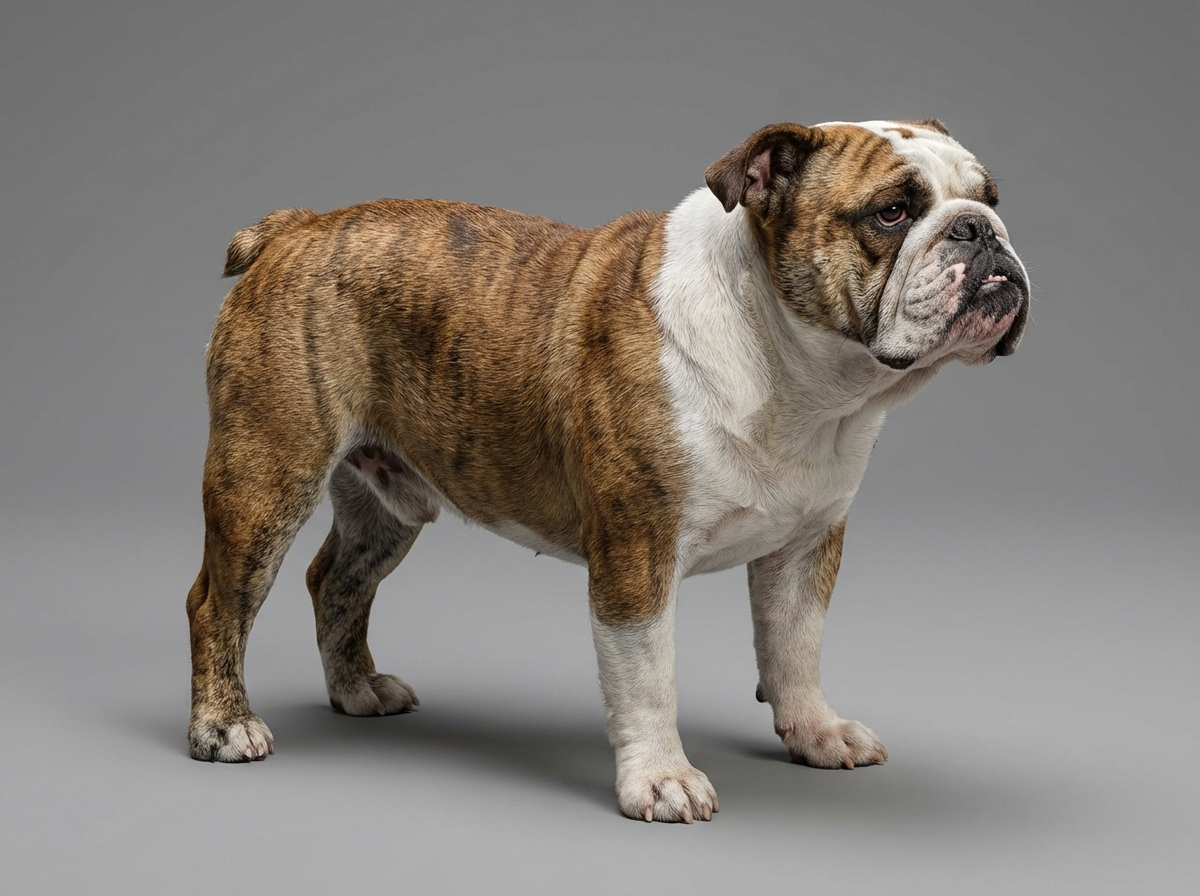
Health
What are Bulldog (English) liver shunts quick tips?
Monitor your Bulldog (English) for symptoms like vomiting or lethargy and consult your vet promptly. Regular check-ups are crucial for early detection.

Quick answer
What are Bulldog (English) liver shunts quick tips?
Monitor your Bulldog (English) for symptoms like vomiting or lethargy and consult your vet promptly. Regular check-ups are crucial for early detection.
Bulldog (English) liver shunts can pose serious health risks for your furry friend. Understanding these conditions is crucial for their well-being.
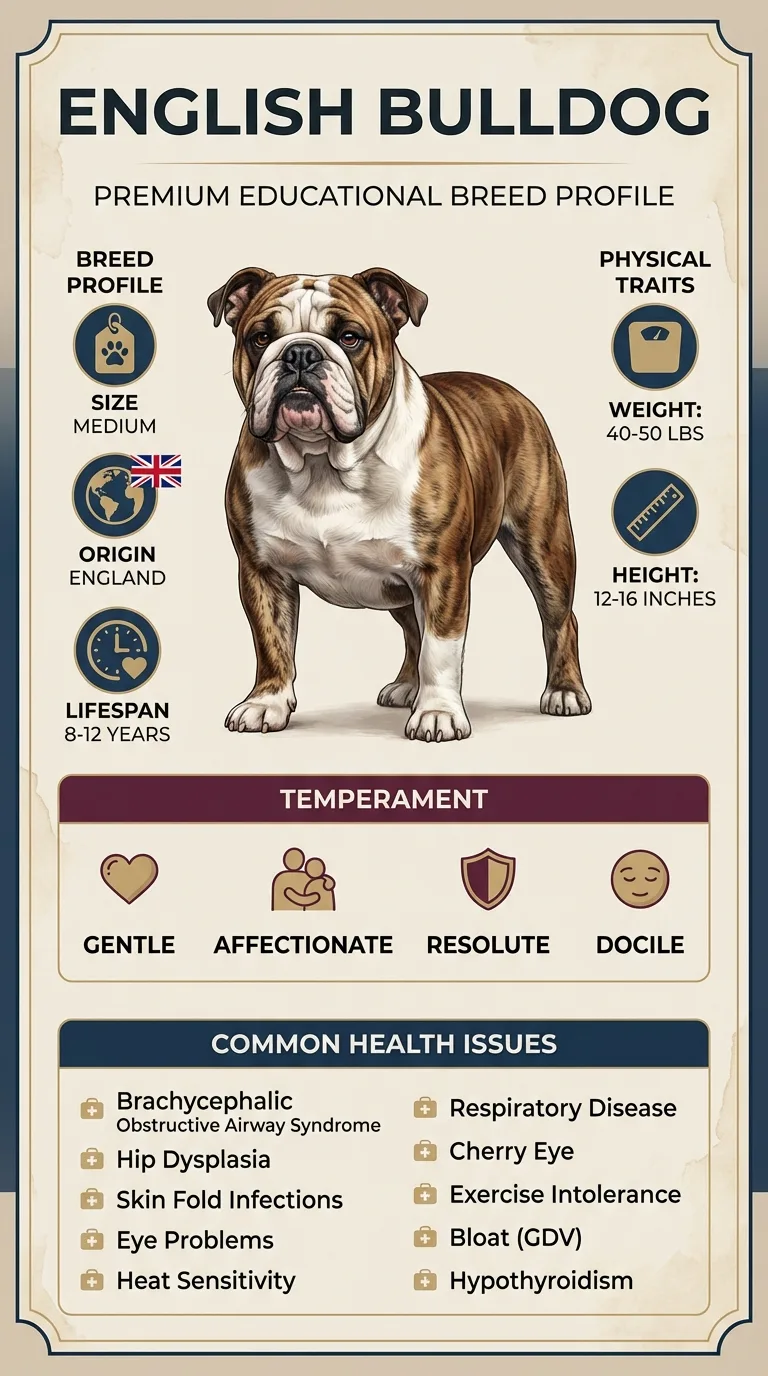
Owners of Bulldogs often face anxiety when their pets show signs of illness. This issue is common among new and experienced dog owners alike, especially those who prioritize their dog’s health but may not know the signs of liver problems.
This guide is not medical advice. If your dog shows pain, sudden behavior change, or worsening symptoms, consult a licensed veterinarian.
Some links may be affiliate links. We may earn a commission at no extra cost to you. We only suggest products we believe are helpful for dog owners.
We research and check what we publish, but we do not warrant that any figure, date, price, or statement is accurate, complete, or current, and we accept no liability for any loss, cost, injury, or other harm arising from the use of this site. Use it as one reference among several. You remain responsible for your own decisions and for your dog's care - confirm anything that matters with a licensed veterinarian or another qualified professional before you act on it. Full disclaimer.
Check this first
Liver shunts can be serious, and knowing when to act quickly is essential. If your Bulldog (English) shows signs such as severe vomiting, lethargy, seizures, or difficulty breathing, these are red flags. You should call your vet immediately as these symptoms may indicate a life-threatening condition requiring urgent care.
On the other hand, if your Bulldog has mild symptoms like occasional vomiting or a slight decrease in energy, it may be manageable at home. Monitor your dog closely and keep track of any changes. If symptoms worsen or persist for more than a day, reach out to your vet for further advice.
Here are some specific situations to watch for:
1. Emergency Signs: - Severe vomiting or diarrhea - Loss of consciousness or seizures - Difficulty breathing or excessive panting - Lack of appetite for more than 24 hours - Abdominal swelling or pain
2. Mild Cases to Monitor: - Occasional vomiting without other symptoms - Slight lethargy but still engaging in activities - Loss of appetite that lasts less than 24 hours
Being vigilant is crucial. Always trust your instincts as a dog owner. If something feels off, it’s better to err on the side of caution and consult your veterinarian.
If any of these apply, call your vet or an emergency clinic now. The rest of this page is for the cases that are not an emergency.
Bulldog (English) liver shunts are serious health issues caused by abnormal blood flow in the liver. Daily, affected Bulldogs may show signs of lethargy, poor appetite, and potential behavioral changes. These symptoms can indicate that the liver is not properly filtering toxins, leading to a range of health problems.
Liver shunts are relatively common in Bulldogs, particularly due to their genetic vulnerabilities. Many owners may notice early signs, but without proper diagnosis, the condition can go unnoticed until it becomes severe.
Bulldogs (English) are predisposed to liver shunts due to their unique anatomy. Their short, stocky build can lead to developmental abnormalities in the liver's vascular system. Additionally, their breed characteristics may influence how their bodies process nutrients, which can impact liver health.
Environmental factors, such as diet and exposure to toxins, can also contribute to liver shunts. A poor-quality diet high in unhealthy additives can strain the liver. Moreover, exposure to harmful substances in their environment can exacerbate liver issues.
It's essential to consult a vet if you notice any symptoms of liver issues, such as lethargy, vomiting, or changes in appetite. They can provide a thorough examination to check for liver shunts and recommend appropriate treatment options.
Avoiding common pitfalls can significantly help your Bulldog (English) with liver shunts. Here are some mistakes to steer clear of:
Start here: English Bulldog Most Common Genetic Disorders: Screening
See all Bulldog health problems, which breeds are prone to liver shunts, or the full Bulldog breed guide for temperament, exercise needs and ownership costs.
You can expect to see improvements in your Bulldog's health and behavior within 2 to 6 months of starting treatment and follow-up.
Success means your Bulldog shows fewer symptoms, such as reduced lethargy or improved appetite, and is responding well to training and dietary changes.
When Sarah adopted Max, her English Bulldog, she noticed he was unusually lethargic and had a poor appetite. After a vet visit, she learned he had liver shunts, which required a strict diet and medication. Determined to help Max thrive, Sarah followed the vet's advice closely. She created a tailored meal plan and gradually introduced obedience training to help him feel more confident. Over time, Max began to show more energy and engagement, much to Sarah's delight. Together, they celebrated small victories like successful training sessions and longer walks in the park.
Key takeaway: With dedication and proper guidance, managing Bulldog liver shunts can lead to a happier, healthier life for your pet.
Bulldog (English) liver shunts are often due to congenital abnormalities in the portal vein. This condition causes blood to bypass the liver, preventing proper detoxification. Regular vet check-ups can help catch these issues early.
Symptoms of liver shunts in Bulldogs can include vomiting, lethargy, and poor growth. If your Bulldog shows any of these signs, consult your vet for diagnostic tests like blood work or imaging.
Treatment for Bulldog (English) liver shunts may include dietary changes and medications to manage symptoms. In severe cases, surgery may be necessary to correct the blood flow. Always discuss options with your vet.
To prevent Bulldog (English) liver shunts from worsening, maintain regular vet visits and follow their dietary recommendations. Avoid high-protein diets and monitor your dog's behavior closely for changes.
Yes, liver shunts can be hereditary in Bulldogs. If you're considering breeding, ensure both parents have been screened for this condition to reduce the risk in offspring.
Feeding a low-protein diet can help manage liver shunt symptoms in Bulldogs. Consult your vet for specific dietary recommendations tailored to your dog's condition.
Common symptoms of liver shunts in Bulldogs include poor growth, lethargy, and vomiting. You may also notice signs of confusion or uncoordinated movement. If you see these symptoms, consult your vet promptly.
Yes, liver shunts can often be managed with surgery or medical treatment. Early intervention is crucial for better outcomes. Always discuss treatment options with your veterinarian.
Liver shunts can potentially shorten a Bulldog's lifespan if left untreated. With proper management, many Bulldogs can lead a normal life. Regular vet check-ups can help monitor their health.
Yes, liver shunts can have a genetic component, particularly in Bulldogs. Responsible breeding practices can help reduce the incidence of this condition. If you're considering a Bulldog, ask breeders about health screenings.
A high-quality, low-protein diet is often recommended for Bulldogs with liver shunts. This helps reduce the workload on their liver. Always consult your vet for specific dietary recommendations tailored to your dog's needs.
Monitor your Bulldog (English) for symptoms like vomiting or lethargy and consult your vet promptly. Regular check-ups are crucial for early detection.
Yes, treatment options include dietary management and possibly surgery. Talk to your vet for the best plan tailored to your Bulldog.
Regular vet visits are essential, especially if your Bulldog has liver shunt symptoms. Aim for at least once a year, or more frequently if advised.
Breeding Bulldogs with liver shunts is not recommended as the condition can be hereditary. Consult a vet before considering breeding.
A one-page prep sheet for this condition: the signs, the questions to ask, what to get priced. Unlocks here.
You get: Vet visit prep sheet
No spam. One-click unsubscribe. See our privacy policy.
Preview page 1 before you decide.