Behavior
What are quick tips for Bulldog (English) bloat (gastric dilatation-volvulus/GDV)?
Feed smaller, more frequent meals and use slow feeders to prevent rapid eating. Avoid heavy exercise after meals and monitor your Bulldog's behavior closely.
Bulldog (English) bloat, also known as gastric dilatation-volvulus (GDV), is a serious condition that can be life-threatening. (Bulldog (English) bloat (gastric dilatation-volvulus/gdv))
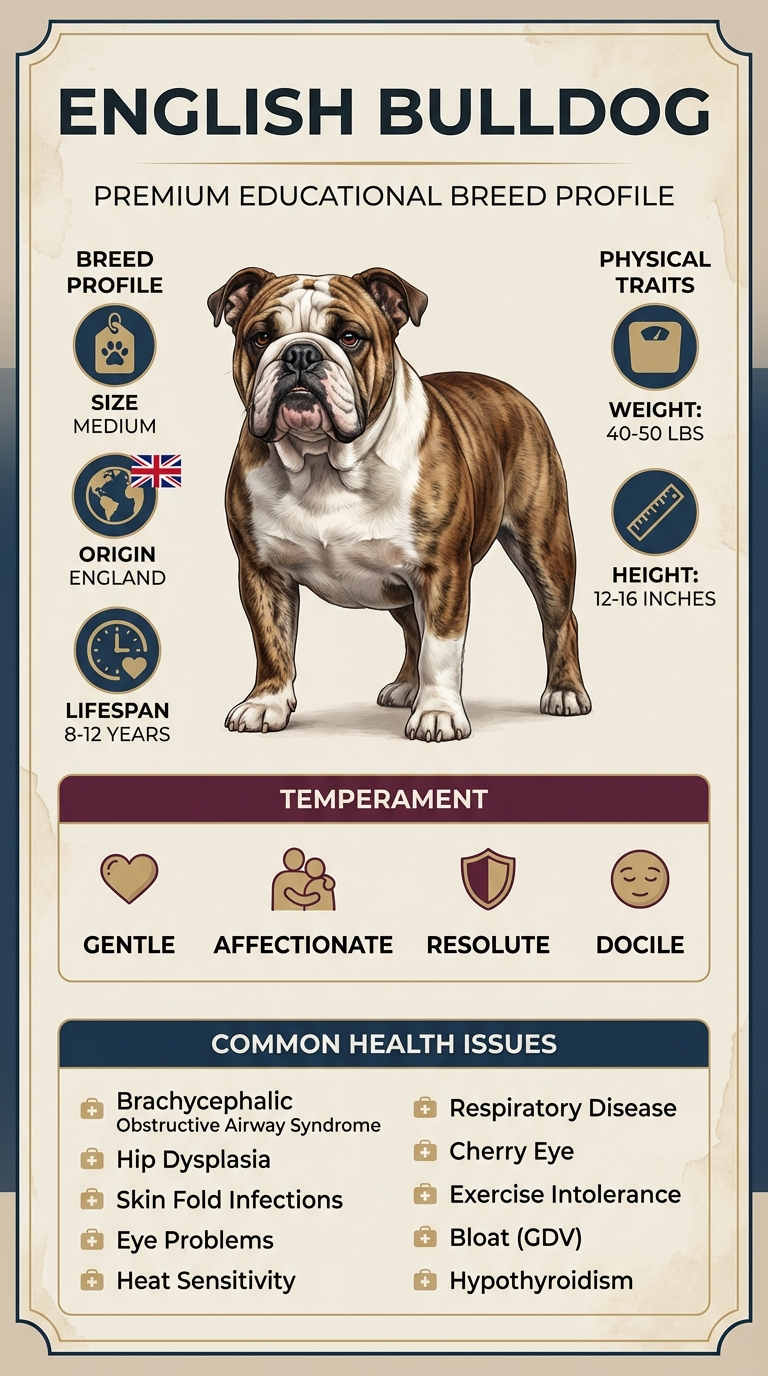
Typically, Bulldog owners and first-time dog parents face challenges in managing this risk. Bulldogs are prone to bloat due to their physical structure, making awareness and prompt action essential.
This guide is not medical advice. If your dog shows pain, sudden behavior change, or worsening symptoms, consult a licensed veterinarian.
Some links may be affiliate links. We may earn a commission at no extra cost to you. We only suggest products we believe are helpful for dog owners.
Bulldog (English) bloat, also known as gastric dilatation-volvulus (GDV), is a serious condition that can escalate quickly. It often presents as a swollen abdomen and can cause distress for your dog. Common signs include restlessness, drooling, and attempts to vomit without success. This can be frightening for both you and your pet, as GDV can be life-threatening and requires immediate veterinary attention.
Bloat is a significant concern for Bulldogs, particularly due to their body structure and eating habits. While not every Bulldog will experience this issue, studies show that it is relatively common in this breed, making awareness essential for owners.
Bulldogs (English) are prone to bloat (gastric dilatation-volvulus/GDV) due to their deep chests and short snouts. Their unique anatomy can make it difficult for food and gas to move smoothly through the digestive tract. This can lead to a buildup of gas and bloating, especially after eating or drinking quickly.
Stress, high activity levels after meals, and sudden diet changes can also trigger bloat in Bulldogs. If they eat too fast, or if their environment is noisy or chaotic, this can increase anxiety and lead to digestive issues. Additionally, certain foods may contribute to bloat, especially those high in fat or that expand in the stomach.
If your Bulldog shows signs of stress during mealtime or if they exhibit anxiety around food, consider consulting a dog trainer. A trainer can help address behavioral issues and teach your dog to eat calmly.
If you notice signs of bloat, such as a swollen stomach, excessive drooling, restlessness, or unproductive retching, contact your vet immediately. Bloat can be life-threatening and requires urgent treatment.
Addressing Bulldog (English) bloat usually takes several weeks to months, depending on the severity and the owner's commitment to preventive measures.
Success means your Bulldog learns to eat slowly, avoids high-risk activities, and has regular vet check-ups, reducing the chances of bloat.
Avoiding certain behaviors can help prevent Bulldog bloat (gastric dilatation-volvulus/GDV) from worsening. Here are common mistakes owners make and safer alternatives to consider.
Bulldog (English) bloat, also known as gastric dilatation-volvulus (GDV), can escalate quickly into a life-threatening situation. Recognizing the warning signs is crucial. If your Bulldog displays severe symptoms such as a distended abdomen, unproductive vomiting, excessive drooling, or rapid panting, these are red flags.
Call your vet immediately, as these signs indicate that their condition could be critical.
On the other hand, mild bloating might not require immediate action. If your Bulldog has a slightly swollen abdomen but is still eating, drinking, and behaving normally, it’s wise to monitor the situation closely. Keep a keen eye on their behavior and appetite.
If symptoms persist or worsen within a few hours, don’t hesitate to reach out to your vet for guidance.
It’s essential to have a plan in place. If your Bulldog is prone to bloat, consult your veterinarian about preventive measures. They might recommend dietary changes or specific feeding practices to reduce the risk.
Being proactive can make a significant difference in your dog's health and well-being.
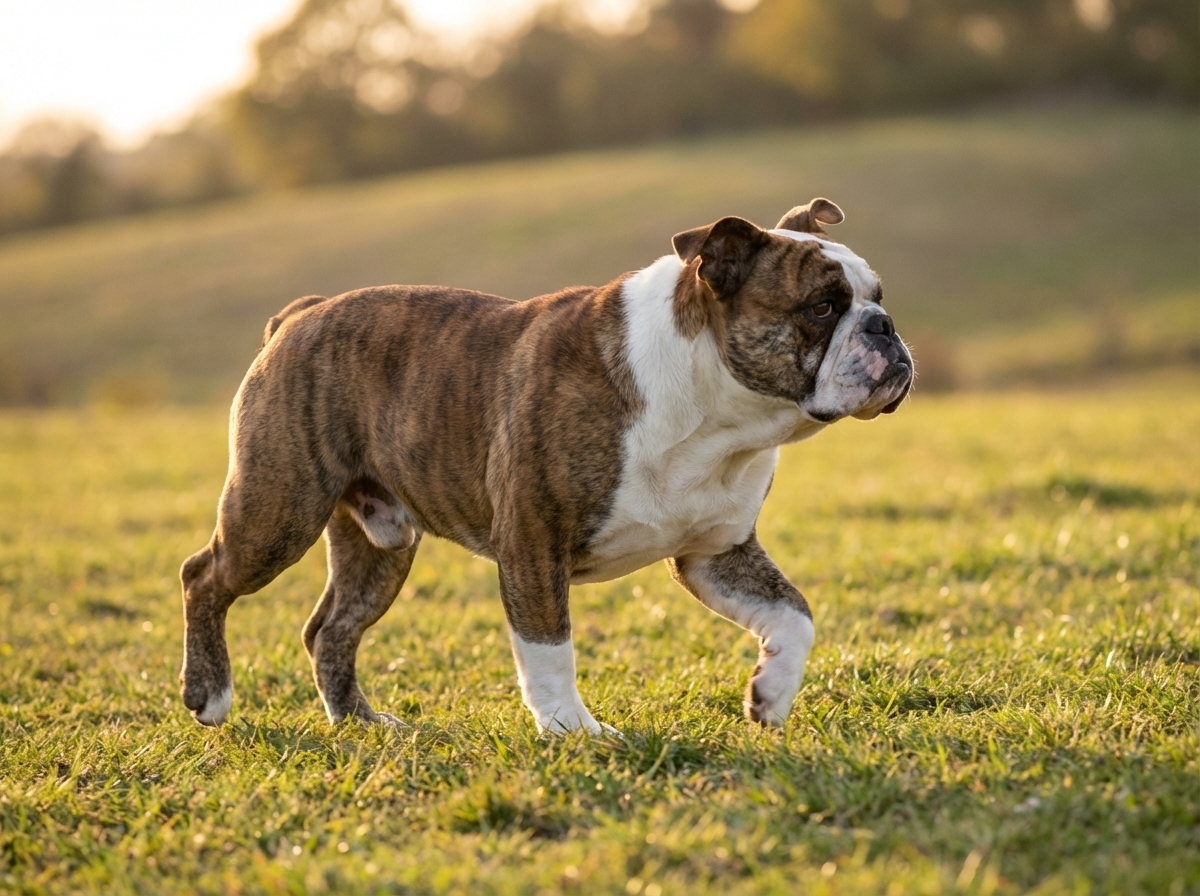
Samantha, a first-time dog owner in Seattle, noticed her Bulldog, Max, frequently bloating after meals. Concerned, she took him to the vet, who explained the risks of gastric dilatation-volvulus (GDV). After treatment, Samantha learned to feed Max smaller portions and invested in a slow feeder bowl. With consistent training and attention, Max's bloating episodes decreased significantly, allowing them to enjoy more outdoor adventures together.
Key takeaway: Preventing Bulldog (English) bloat requires dedication to feeding practices and regular vet visits, but the effort pays off in a healthier, happier dog.
Bulldogs can develop bloat due to a combination of genetics, rapid eating, and stress. Their unique body shape and structure make them particularly vulnerable. Always consult a vet if you suspect bloat, as it can be life-threatening.
To reduce the risk of bloat, feed your Bulldog smaller meals throughout the day instead of one large meal. Encourage slow eating by using a slow feeder bowl. Additionally, avoid vigorous exercise right after meals.
Symptoms include a swollen abdomen, restlessness, excessive drooling, and attempts to vomit without success. If you observe these signs, seek immediate veterinary care, as bloat can progress rapidly.
If you suspect your Bulldog has bloat, contact your vet immediately. Time is crucial, as this condition can lead to shock or death within hours without treatment.
Surgery is often necessary to untwist the stomach and prevent recurrence of bloat. Treatment costs can range from $1,500 to $7,500, depending on the severity and care required.
Early signs of Bulldog (English) bloat (gastric dilatation-volvulus/gdv) include restlessness, pacing, and an unproductive attempt to vomit. You might also notice a swollen abdomen and signs of distress. If you see these signs, it's crucial to seek veterinary help immediately.
Yes, older Bulldogs (English) can be more susceptible to bloat (gastric dilatation-volvulus/gdv) due to changes in their digestive health. It's important to monitor their eating habits and overall health as they age. Regular vet check-ups can help catch issues early.
If you suspect your Bulldog (English) has bloat (gastric dilatation-volvulus/gdv), take them to the vet immediately. This condition is life-threatening and requires urgent medical attention. Don’t wait for symptoms to worsen, as time is critical.
Yes, several breeds are more prone to bloat (gastric dilatation-volvulus/gdv), including Great Danes, Boxers, and Doberman Pinschers. These breeds often have deep chests, which can increase their risk. It's essential to be aware of the signs if you own these breeds.
To help prevent bloat (gastric dilatation-volvulus/gdv) in your Bulldog (English), feed smaller meals throughout the day instead of one large meal. Avoid vigorous exercise immediately after eating and consider using a slow feeder. Staying vigilant about their eating habits can also make a big difference.
Feed smaller, more frequent meals and use slow feeders to prevent rapid eating. Avoid heavy exercise after meals and monitor your Bulldog's behavior closely.
Look for symptoms like a swollen belly, restlessness, or unsuccessful attempts to vomit. Seek veterinary help if these signs appear.
Genetics, rapid eating, stress, and certain health conditions can contribute to bloat in Bulldogs. Regular vet check-ups can help monitor these risks.