Behavior
What are quick tips for Brussels Griffon respiratory disease?
Monitor your dog's breathing and avoid extreme temperatures. Regular vet visits are essential for managing their health.

Quick answer
What are quick tips for Brussels Griffon respiratory disease?
Monitor your dog's breathing and avoid extreme temperatures. Regular vet visits are essential for managing their health.
Brussels Griffon respiratory disease can pose serious health challenges for your furry friend. This condition is notably more common in brachycephalic breeds like the Brussels Griffon.
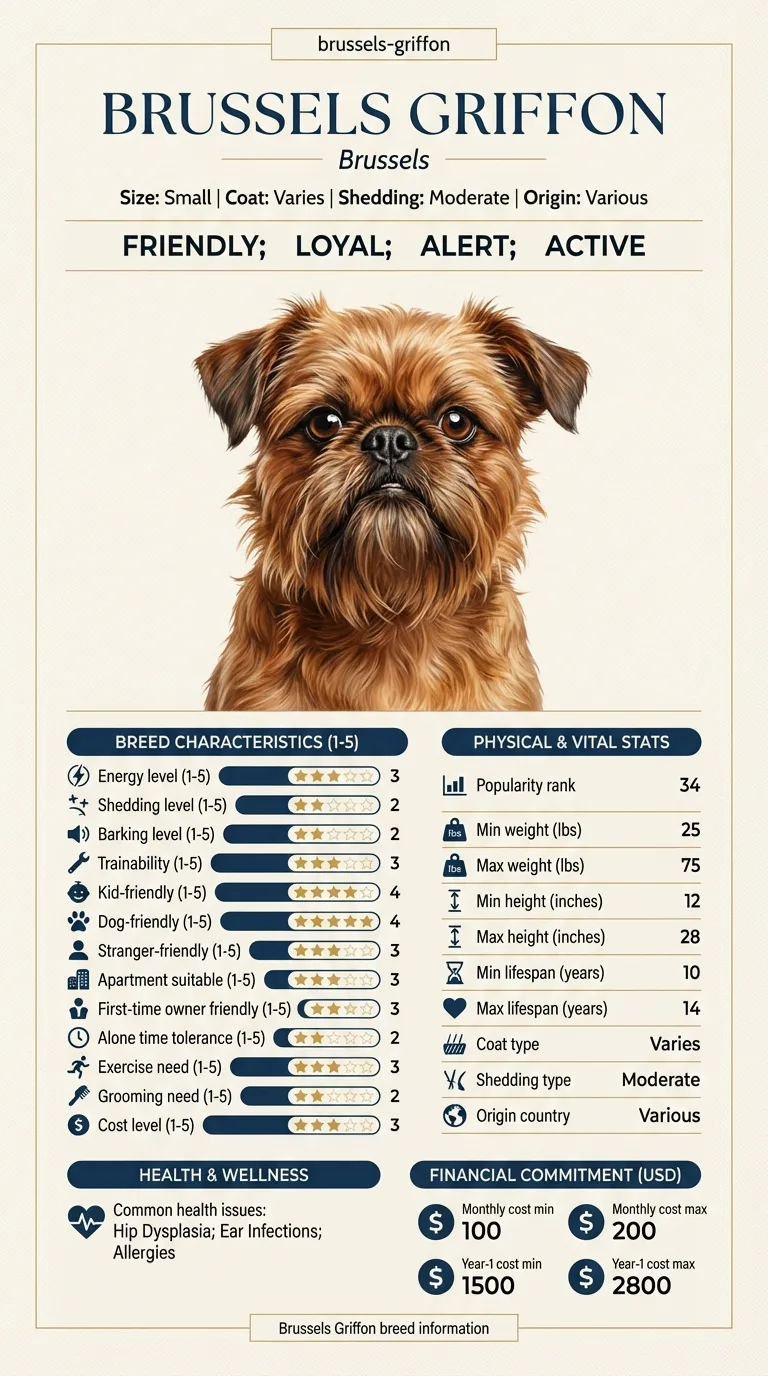
New and experienced Brussels Griffon owners alike often find themselves struggling with this issue. Busy families, single owners, and anyone living in a humid climate should be especially vigilant about their dog's respiratory health.
This guide is not medical advice. If your dog shows pain, sudden behavior change, or worsening symptoms, consult a licensed veterinarian.
Some links may be affiliate links. We may earn a commission at no extra cost to you. We only suggest products we believe are helpful for dog owners.
We research and check what we publish, but we do not warrant that any figure, date, price, or statement is accurate, complete, or current, and we accept no liability for any loss, cost, injury, or other harm arising from the use of this site. Use it as one reference among several. You remain responsible for your own decisions and for your dog's care - confirm anything that matters with a licensed veterinarian or another qualified professional before you act on it. Full disclaimer.
Check this first
Recognizing when Brussels Griffon respiratory disease becomes an emergency is crucial for your dog's health. If you observe any severe symptoms, such as difficulty breathing, excessive coughing, or blue-tinged gums, call your vet immediately. These symptoms indicate your dog may be in distress and requires urgent medical attention.
On the other hand, mild symptoms like occasional sneezing or light coughing can often be monitored at home. Keep a close eye on your Brussels and note any changes in behavior or breathing patterns. If the symptoms persist or worsen, it's time to consult your veterinarian. Establishing a plan for monitoring your dog's health can help you manage their respiratory issues effectively without unnecessary panic.
If any of these apply, call your vet or an emergency clinic now. The rest of this page is for the cases that are not an emergency.
Brussels Griffon respiratory disease is a common issue for this small breed. It often manifests as difficulty breathing, coughing, or wheezing, which can be distressing for both the dog and owner. This condition is particularly prevalent due to their brachycephalic (short-nosed) structure, making them more susceptible to respiratory problems.
Approximately 30% of Brussels Griffons experience respiratory issues at some point in their lives, making it a significant concern for owners. Regular vet check-ups can help monitor and manage these conditions effectively.
Brussels Griffons are a brachycephalic breed, which means they have short noses and flat faces. This anatomy can lead to breathing difficulties and respiratory diseases. Their unique structure makes them more susceptible to airway obstruction and other respiratory issues.
Environmental factors can also contribute to respiratory problems. For instance, exposure to extreme temperatures, high humidity, or allergens can worsen their condition. Additionally, being overweight can put extra pressure on their lungs, making breathing even harder.
Consult your vet if your dog struggles to breathe, has a persistent cough, or shows signs of lethargy. Regular vet check-ups are essential, especially if you notice any changes in their breathing patterns.
Avoiding certain behaviors can help improve your Brussels Griffon's respiratory health. Here are some common mistakes to steer clear of.
Start here: Brussels Griffon Most Common Genetic Disorders: Screening
See all Brussels Griffon health problems, which breeds are prone to respiratory disease, or the full Brussels Griffon breed guide for temperament, exercise needs and ownership costs.
Managing Brussels Griffon respiratory disease often takes several weeks to months, depending on the severity. Regular vet visits and consistent care routines are essential during this time.
Success means your Brussels Griffon experiences fewer respiratory issues, increased comfort, and improved overall well-being. You'll notice a reduction in coughing and breathing difficulties.
Maggie, a first-time dog owner in Seattle, adopted a Brussels Griffon named Charlie. Shortly after bringing him home, she noticed he struggled to breathe, especially after playtime. Concerned, Maggie consulted her vet, who confirmed that Charlie had respiratory disease, common in brachycephalic breeds. Following her vet's advice, Maggie adjusted Charlie's diet, scheduled regular check-ups, and implemented a gentle exercise routine. Over time, she learned to recognize when Charlie needed a break and incorporated calming techniques during stressful situations. With patience and care, Charlie's breathing improved significantly, allowing him to enjoy walks and playtime more comfortably.
Key takeaway: Recognizing and addressing respiratory issues early is crucial. With proper care and adjustments to their routine, owners can significantly enhance their dog's quality of life.
Brussels Griffons are brachycephalic dogs, meaning they have short noses and flat faces. This structure can lead to respiratory issues due to narrowed airways. It's important to monitor their breathing and consult a vet if you notice any signs of distress.
To help manage Brussels Griffon respiratory disease, ensure your dog maintains a healthy weight to reduce strain on their lungs. Regular vet check-ups and avoiding extreme temperatures can also prevent exacerbation of breathing issues. If your dog shows signs of respiratory distress, seek veterinary advice promptly.
Common symptoms include coughing, wheezing, difficulty breathing, and excessive panting. If your Brussels Griffon is showing these signs, it’s crucial to consult a veterinarian for a proper diagnosis and treatment plan. Keeping an eye on their behavior can help catch issues early.
While training cannot cure respiratory disease, it can improve your dog's overall health and behavior. Teaching calm behaviors can reduce anxiety, which may help with breathing during stress. Additionally, avoiding strenuous exercise can prevent overheating and respiratory strain.
A balanced diet can support overall health, but there’s no specific diet that cures respiratory disease. Focus on high-quality food that maintains a healthy weight. Always discuss dietary changes with your vet, especially if your dog has health issues.
Keeping your home well-ventilated and avoiding smoke or strong perfumes can help your Brussels Griffon breathe easier. Additionally, ensuring they have a comfortable, cool place to rest can reduce respiratory strain. If you live in a humid area, consider using a dehumidifier.
Yes, older Brussels Griffons can be more susceptible to respiratory diseases due to age-related health issues. Regular vet check-ups are essential to monitor their respiratory health, especially as they age.
To help your Brussels Griffon with respiratory disease, ensure they have a comfortable, stress-free environment and avoid exposure to smoke or allergens. Your vet may also recommend specific treatments or lifestyle changes to manage the condition.
If your Brussels Griffon is experiencing a respiratory crisis, remain calm and seek immediate veterinary help. Keep your dog in a cool, quiet place and avoid any strenuous activity until you get professional assistance.
Monitor your dog's breathing and avoid extreme temperatures. Regular vet visits are essential for managing their health.
Look for symptoms like coughing, wheezing, or excessive panting, especially during exercise.
Stay calm and contact your veterinarian immediately. Do not attempt to diagnose or treat the issue at home.
Yes, training your Brussels Griffon to remain calm can help alleviate anxiety and improve their breathing during stressful times.
Costs can vary, but expect to spend on regular vet visits, possible treatments, and lifestyle adjustments. Budgeting $100 to $200 monthly is a good starting point.
A one-page prep sheet for this condition: the signs, the questions to ask, what to get priced. Unlocks here.
You get: Vet visit prep sheet
No spam. One-click unsubscribe. See our privacy policy.
Preview page 1 before you decide.