Behavior
What are quick tips for managing Brussels Griffon progressive retinal atrophy (pra-rcd3)?
Keep your home environment consistent and clutter-free to help your dog navigate easily. Regular vet visits are key to managing their vision loss.
Brussels Griffon progressive retinal atrophy (PRA-RCD3) is a serious issue that leads to vision loss in these small dogs. This condition can significantly impact their quality of life and behavior.
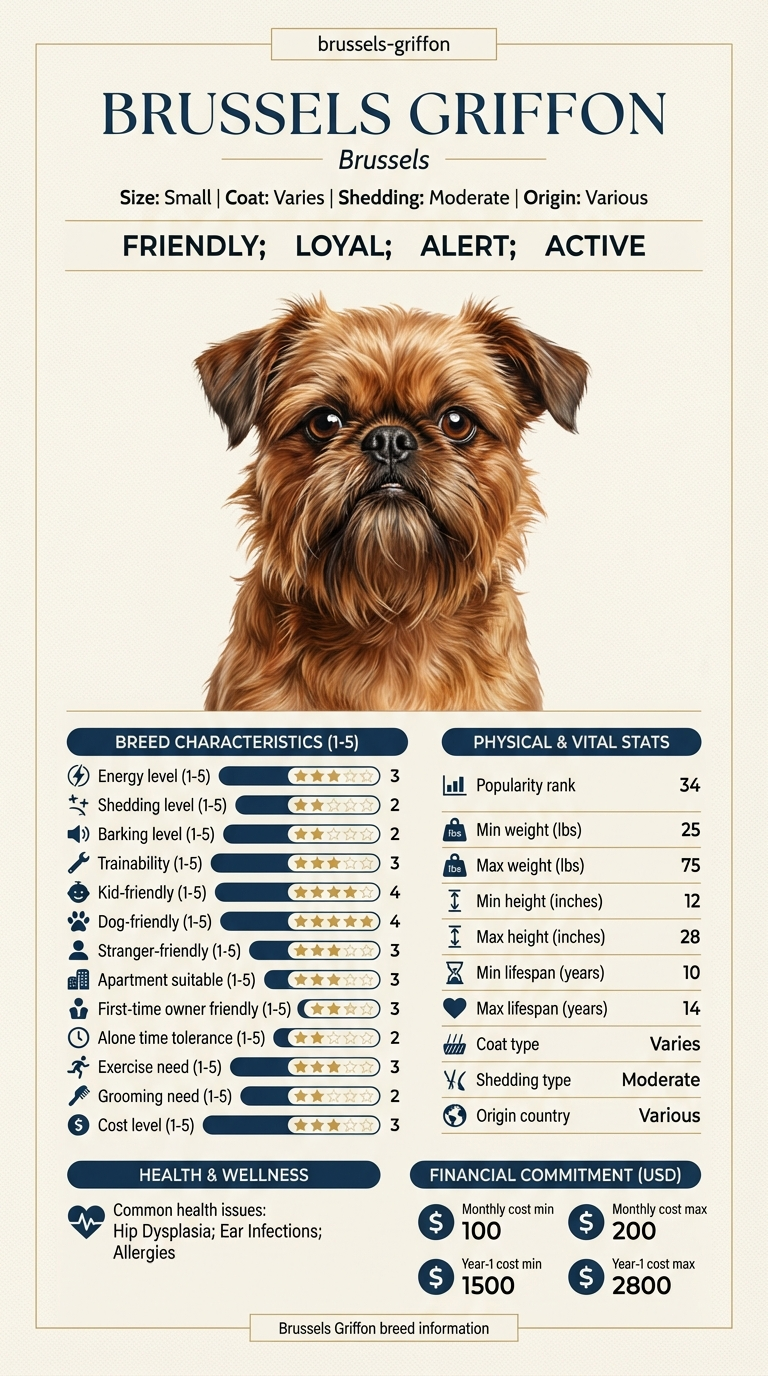
This problem often concerns first-time dog owners or families who are unaware of common health issues in Brussels Griffons. It can be particularly challenging for those living in busy households or apartments where a dog's behavior can be influenced by their surroundings.
This guide is not medical advice. If your dog shows pain, sudden behavior change, or worsening symptoms, consult a licensed veterinarian.
Some links may be affiliate links. We may earn a commission at no extra cost to you. We only suggest products we believe are helpful for dog owners.
Brussels Griffon progressive retinal atrophy (pra-rcd3) is a genetic condition that leads to vision loss over time. Owners may notice their dog bumping into furniture, hesitating in new environments, or becoming less playful. This gradual decline in eyesight can be distressing for both the dog and the owner, creating a challenging day-to-day experience.
This condition is relatively common in Brussels Griffons, with many affected dogs showing signs between 4 to 8 years of age. While not every Brussels will develop pra-rcd3, awareness and early intervention are key to managing the symptoms.
Brussels Griffons can be genetically predisposed to progressive retinal atrophy (PRA-rcd3). This inherited condition can lead to gradual vision loss, often due to specific gene mutations. It’s essential to understand that not all Brussels Griffons will develop this issue, but those with a family history may be more vulnerable.
Environmental factors can also play a role in the progression of PRA-rcd3. For instance, lack of proper nutrition or exposure to harmful substances may exacerbate visual problems. Additionally, an overly stressful environment can affect your dog's overall health, potentially impacting their eyesight.
If you notice your Brussels Griffon struggling with basic commands due to vision issues, consider working with a professional trainer. They can help adapt training techniques to your dog's needs, ensuring they receive the right support.
If you suspect your Brussels Griffon has PRA-rcd3 or if you notice significant changes in their vision, it’s crucial to talk to your vet. Regular check-ups can help monitor their condition and provide early intervention if necessary.
Managing Brussels Griffon progressive retinal atrophy (pra-rcd3) typically takes 6 to 12 months to see noticeable improvements in adapting strategies and care. Regular vet check-ups will be essential throughout this time.
Success means your dog is comfortable in their environment, learns to navigate with some confidence, and shows signs of enjoying life despite their vision challenges. You'll also feel more equipped to handle their needs.
Managing your Brussels Griffon with progressive retinal atrophy (PRA-rcd3) can be challenging. Avoiding certain common mistakes can help improve their quality of life. Here are some behaviors to watch out for.
Recognizing when Brussels Griffon progressive retinal atrophy (PRA-rcd3) becomes an emergency is crucial. If your dog shows sudden blindness, severe disorientation, or appears in pain, it's time to call your vet immediately. Other red flags include blood in the eye, swelling, or persistent squinting. These symptoms may indicate a more serious issue that requires prompt medical attention.
In contrast, if your Brussels Griffon is experiencing mild vision issues but is still active and responsive, you can monitor their condition. Look for signs like occasional bumping into objects or hesitance in unfamiliar environments. Keeping a detailed log of their behavior can help you track any changes. Regular vet check-ups are essential to manage the condition and adjust care as needed.

Sophie, a first-time dog owner, was heartbroken when she learned that her Brussels Griffon, Bella, had progressive retinal atrophy (pra-rcd3). At first, Bella struggled to navigate her own home, often bumping into furniture. Sophie patiently began creating a safe space for Bella, using rugs to guide her and consistent commands to help her learn the layout. Over time, Bella adapted, and Sophie found joy in seeing her navigate confidently, even with her vision loss.
Key takeaway: With patience and thoughtful adjustments, you can help your dog adapt to progressive retinal atrophy (pra-rcd3) and improve their quality of life.
Brussels Griffons can develop progressive retinal atrophy (pra-rcd3) due to genetic factors. This condition typically leads to gradual vision loss, starting with night blindness. It's important to consult your vet for a proper diagnosis and management plan.
You can help your Brussels Griffon by making their environment safe and familiar. Use consistent commands and cues to guide them, and avoid moving furniture around. Regular vet check-ups will also ensure they receive proper care as their condition progresses.
Signs of pra-rcd3 include difficulty seeing in low light, bumping into objects, and hesitance to navigate new areas. You may notice your dog becoming more cautious or anxious in unfamiliar settings. Early detection and intervention can help manage these symptoms.
Currently, there is no cure for progressive retinal atrophy (pra-rcd3). However, supportive care can greatly improve your dog's quality of life. Work with your veterinarian to create a management plan tailored to your dog's needs.
Yes, progressive retinal atrophy (pra-rcd3) can eventually lead to complete blindness. The condition is progressive, meaning vision will deteriorate over time. Regular veterinary check-ups are essential to monitor your dog's condition.
Training a Brussels Griffon with pra-rcd3 involves using verbal commands and tactile signals. Be patient and consistent, allowing them to learn at their own pace. Positive reinforcement techniques can help them adapt to their changing abilities.
Early signs of Brussels Griffon progressive retinal atrophy (pra-rcd3) may include difficulty seeing in low light, bumping into objects, or hesitance when navigating unfamiliar spaces. You might also notice your dog becoming more cautious or anxious in new environments.
Yes, older Brussels Griffons may show signs of progressive retinal atrophy (pra-rcd3) more prominently due to age-related factors. Their response to vision loss can differ, leading to increased anxiety or behavioral changes as they rely more on their remaining senses.
If your Brussels Griffon is diagnosed with progressive retinal atrophy (pra-rcd3), consult your vet for a tailored care plan. Adjusting your home environment to minimize hazards and using training techniques that rely on verbal cues can help your dog adapt.
Supporting your Brussels Griffon with progressive retinal atrophy (pra-rcd3) involves creating a safe space and maintaining a consistent routine. Engaging them in activities that stimulate their other senses can also help keep them happy and active.
Currently, there is no known way to prevent Brussels Griffon progressive retinal atrophy (pra-rcd3) as it is often hereditary. Regular vet check-ups can help catch any signs early, allowing for timely management of the condition.
Keep your home environment consistent and clutter-free to help your dog navigate easily. Regular vet visits are key to managing their vision loss.
Your dog may struggle with navigation and experience increased anxiety in new environments. Consistent routines can provide comfort.
Contact your veterinarian immediately if you notice signs of vision loss. Early intervention can help manage their condition more effectively.