Behavior
How to stop Brussels Griffon osteochondritis dissecans (OCD)?
Consult your vet for a tailored treatment plan that includes dietary changes and controlled exercise.

Quick answer
How to stop Brussels Griffon osteochondritis dissecans (OCD)?
Consult your vet for a tailored treatment plan that includes dietary changes and controlled exercise.
Brussels Griffon osteochondritis dissecans (OCD) is a painful joint condition that affects your dog's mobility.
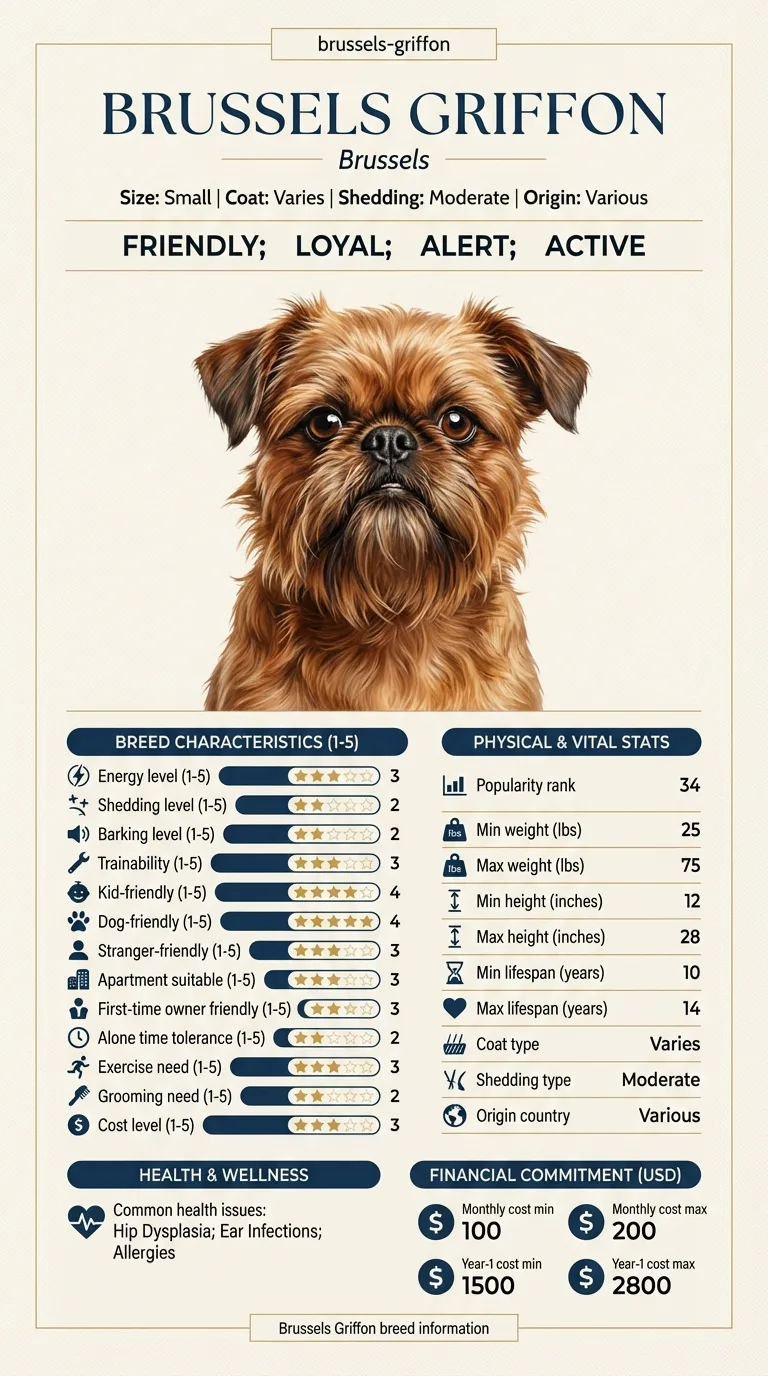
Typically, owners of Brussels Griffons, especially those who are first-time dog parents, may struggle with understanding and addressing this condition. Busy families and individuals who might overlook subtle signs of discomfort in their pets can also find this particularly challenging.
This guide is not medical advice. If your dog shows pain, sudden behavior change, or worsening symptoms, consult a licensed veterinarian.
Some links may be affiliate links. We may earn a commission at no extra cost to you. We only suggest products we believe are helpful for dog owners.
We research and check what we publish, but we do not warrant that any figure, date, price, or statement is accurate, complete, or current, and we accept no liability for any loss, cost, injury, or other harm arising from the use of this site. Use it as one reference among several. You remain responsible for your own decisions and for your dog's care - confirm anything that matters with a licensed veterinarian or another qualified professional before you act on it. Full disclaimer.
Check this first
Recognizing when Brussels Griffon osteochondritis dissecans (OCD) turns into an emergency is crucial. If you notice severe symptoms, it's time to contact your vet immediately. Emergency signs include inability to put weight on the affected leg, sudden swelling, intense pain when touched, or any signs of distress like whimpering or excessive panting.
If any of these apply, call your vet or an emergency clinic now. The rest of this page is for the cases that are not an emergency.
Brussels Griffon osteochondritis dissecans (OCD) is a joint issue that usually stems from abnormal cartilage development. This condition can lead to discomfort, especially in the elbows and knees, and makes everyday activities like walking or playing painful. Owners often notice their Brussels Griffon limping, being less active, or showing signs of pain when touched around the joints.
Osteochondritis dissecans (OCD) is relatively common in Brussels Griffons, particularly among young dogs. While not every Brussels will experience this issue, the breed's structure can make them more susceptible to joint problems, especially if they are over-exercised or not properly managed.
Brussels Griffons are small dogs that can be prone to joint issues, including osteochondritis dissecans (OCD). This breed's genetic predisposition may lead to abnormal cartilage development in their joints, causing discomfort and pain. Their compact size can also affect how their bodies handle stress on joints during growth.
Environmental factors like excessive exercise, obesity, or improper nutrition can exacerbate joint issues in Brussels Griffons. If they are overworked or overweight, the stress on their joints increases, leading to more severe symptoms of OCD. Additionally, a lack of proper rest and recovery can hinder their joint health.
If you notice persistent limping, swelling, or signs of pain in your Brussels Griffon, it's essential to talk to a vet. They can diagnose OCD and recommend treatment options, which may include medication, physical therapy, or even surgery in severe cases.
Avoiding common pitfalls can help manage your Brussels Griffon's osteochondritis dissecans (OCD) more effectively. Here are some mistakes to steer clear of, along with safer alternatives.
Start here: Brussels Griffon Most Common Genetic Disorders: Screening
See all Brussels Griffon health problems, which breeds are prone to osteochondritis dissecans ocd, or the full Brussels Griffon breed guide for temperament, exercise needs and ownership costs.
Improving symptoms of Brussels Griffon osteochondritis dissecans (OCD) can take about 4 to 6 weeks with consistent care and follow-up with your vet.
Success means your dog shows reduced discomfort, improved mobility, and engagement in activities they enjoy without pain.
In less severe cases, you can monitor your Brussels Griffon at home. If they show mild limping, slight stiffness after exercise, or occasional discomfort that improves with rest, these might be manageable symptoms. Develop a plan to gently restrict activity and schedule regular check-ups to track their progress.

Sam, a first-time dog owner, noticed that his Brussels Griffon, Bella, was limping and hesitant to play. After consulting with a vet, he learned that Bella had osteochondritis dissecans (OCD). Sam committed to a tailored exercise plan and gentle training techniques. With patience and regular check-ins with the vet, Bella began to show improvement, enjoying her walks and playing with her toys again. Sam learned the importance of listening to Bella's needs and adapting activities to suit her comfort level.
Key takeaway: With proper care and attention, dogs with Brussels Griffon osteochondritis dissecans (OCD) can lead happy, active lives.
Brussels Griffon osteochondritis dissecans (OCD) is a condition where abnormal cartilage development leads to joint discomfort. It typically affects the elbow or knee joints, causing pain during movement. Early diagnosis and treatment are crucial to manage this issue.
To help your Brussels Griffon with OCD, ensure they get a balanced diet to support healthy joint development. Controlled exercise is essential to avoid strain on their joints. Work with your vet to create a tailored plan that includes physical therapy or medications as needed.
Positive reinforcement training works best for Brussels Griffons with OCD. Focus on low-impact commands and tricks that don’t stress their joints. Keep training sessions short and rewarding to maintain their interest and motivation.
Yes, with proper management, Brussels Griffons with OCD can live fulfilling lives. Regular vet check-ups and a controlled exercise routine can help maintain their quality of life. Early intervention is key to ensuring they remain active and happy.
Brussels Griffons can develop osteochondritis dissecans (OCD) due to genetic factors, rapid growth during puppyhood, or trauma to the joints. This condition results in abnormal cartilage development, leading to joint discomfort and pain.
Signs of osteochondritis dissecans (OCD) in your Brussels Griffon include limping, reluctance to play, or difficulty getting up after resting. If you notice these symptoms, consult your vet for a proper diagnosis and treatment plan.
In some cases, surgery may be necessary to address severe osteochondritis dissecans (OCD) in Brussels Griffons. Your vet will evaluate your dog's condition and recommend the best course of action, which may include physical therapy or medication.
Moderate exercise can help maintain joint health in dogs with osteochondritis dissecans (OCD). However, it's crucial to avoid high-impact activities that could worsen their condition. Always consult your vet for tailored exercise recommendations.
The long-term outlook for a Brussels Griffon with osteochondritis dissecans (OCD) varies based on the severity of the condition and treatment approach. With proper care and management, many dogs can lead active, fulfilling lives, but ongoing monitoring is essential.
Consult your vet for a tailored treatment plan that includes dietary changes and controlled exercise.
Monitor their activity levels and avoid high-impact exercises to prevent further joint strain.
Treatment can range from $100 to $500 monthly depending on the severity and required care.
Yes, physical therapy can significantly aid in recovery and improve mobility for dogs with OCD.
Yes, they need a careful balance of exercise and rest to manage their condition effectively.
A one-page prep sheet for this condition: the signs, the questions to ask, what to get priced. Unlocks here.
You get: Vet visit prep sheet
No spam. One-click unsubscribe. See our privacy policy.
Preview page 1 before you decide.