Costs
What are Brussels Griffon insurance claims quick tips?
Ensure regular vet check-ups and a balanced diet to prevent health issues. Training and socialization can also help minimize anxiety-related claims.

Quick answer
What are Brussels Griffon insurance claims quick tips?
Ensure regular vet check-ups and a balanced diet to prevent health issues. Training and socialization can also help minimize anxiety-related claims.
Brussels Griffon insurance claims can be a real concern for dog owners. Understanding this issue is crucial for both your pet's health and your finances.
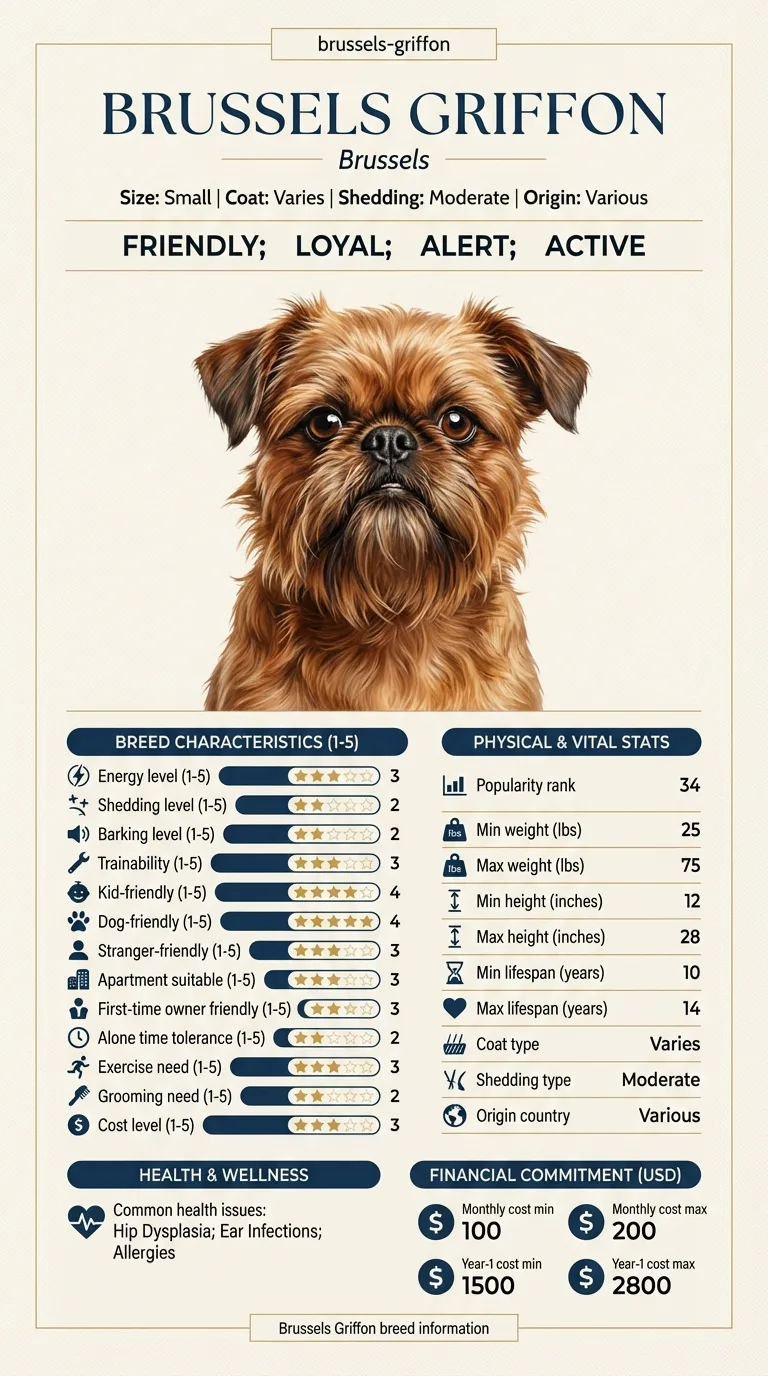
Typically, owners of Brussels Griffons—whether they are first-time dog parents or experienced handlers—may struggle with understanding why their pets have frequent insurance claims. This can lead to confusion and financial stress.
This guide is not medical advice. If your dog shows pain, sudden behavior change, or worsening symptoms, consult a licensed veterinarian.
Some links may be affiliate links. We may earn a commission at no extra cost to you. We only suggest products we believe are helpful for dog owners.
We research and check what we publish, but we do not warrant that any figure, date, price, or statement is accurate, complete, or current, and we accept no liability for any loss, cost, injury, or other harm arising from the use of this site. Use it as one reference among several. You remain responsible for your own decisions and for your dog's care - confirm anything that matters with a licensed veterinarian or another qualified professional before you act on it. Full disclaimer.
Check this first
Understanding when Brussels Griffon insurance claims may signal a serious issue is crucial. If your dog is experiencing frequent claims, it could indicate underlying health problems that need immediate attention. Here are some red-flag signs that warrant a call to your vet right away.
First, if your Brussels Griffon displays sudden changes in behavior, such as excessive barking, lethargy, or loss of appetite, these could be signs of distress or illness. Additionally, if you notice any severe symptoms like difficulty breathing, vomiting, or persistent diarrhea, don't hesitate to seek veterinary help. These situations often require urgent care to prevent further complications.
On the other hand, there are milder cases where you can monitor your pet's health without rushing to the vet. For example, if your Brussels is showing minor signs of anxiety or occasional minor health issues, you might choose to keep an eye on them. In such cases, develop a plan to address these behaviors, such as using training methods or behavior modification techniques. Keeping a close watch on your dog and noting any changes can help you decide if a vet visit becomes necessary later.
If any of these apply, call your vet or an emergency clinic now. The rest of this page is for the cases that are not an emergency.
Brussels Griffon insurance claims can arise from various health issues, including hip dysplasia and allergies. Owners may notice increased visits to the vet, leading to unexpected medical bills. Day-to-day, this can manifest as frequent vet appointments and a growing concern about the costs associated with their pet's health.
For Brussels Griffons, insurance claims are relatively common due to their susceptibility to specific health conditions. Many owners report increased vet visits in the first few years of ownership, which can lead to higher insurance claims compared to other breeds.
Brussels Griffons may have higher insurance claims due to their predisposition to certain health issues like hip dysplasia and allergies. Their small size can also make them more prone to injuries, leading to more vet visits. Additionally, their active and alert nature can lead to accidents if they are not properly supervised.
The environment can significantly impact the likelihood of insurance claims for Brussels Griffons. Factors like lack of exercise, inadequate training, and exposure to stressful situations can increase anxiety or lead to injuries. If a Brussels is left alone too often, this can result in behavioral issues that may require medical attention.
If you notice persistent health issues or unusual behaviors, such as excessive barking or destructive tendencies, consult your vet. They can assess whether these behaviors are linked to health problems that may require treatment. If your dog's anxiety seems overwhelming, your vet may recommend a behavioral specialist.
Avoiding these common mistakes can help improve your Brussels Griffon's behavior and reduce insurance claims over time.
Start here: Brussels Griffon Most Common Genetic Disorders: Screening
See all Brussels Griffon health problems, which breeds are prone to insurance claims, or the full Brussels Griffon breed guide for temperament, exercise needs and ownership costs.
It may take 3 to 6 months to see significant improvements in your Brussels Griffon's behavior related to insurance claims.
Success means reduced anxiety and fewer claims, along with a more relaxed and confident dog during vet visits.
Lindsay, a busy nurse in Seattle, found that her Brussels Griffon, Bella, was making frequent insurance claims due to anxiety during vet visits. After consulting a trainer, Lindsay learned to implement desensitization techniques and gradually exposed Bella to the vet environment. Within a few months, Bella showed improvement; she was calmer and less stressed, leading to fewer claims and more enjoyable vet trips.
Key takeaway: With patience and proper training techniques, you can significantly reduce your Brussels Griffon’s anxiety and related insurance claims.
Brussels Griffons may have insurance claims due to their predisposition to certain health issues, such as hip dysplasia and allergies. Regular vet check-ups can help catch problems early, reducing potential claims. Training and socialization can also mitigate anxiety-related health issues.
To reduce insurance claims, ensure your Brussels Griffon has a healthy diet and regular exercise. Training can help manage behavior issues, which can lead to health problems. Consult your vet for a tailored health plan that suits your dog's needs.
Common health issues for Brussels Griffons include hip dysplasia, ear infections, and allergies. These conditions can result in frequent vet visits, leading to higher insurance claims. Monitoring your dog's health and maintaining a good vet relationship can help manage these risks.
Training your Brussels Griffon can help minimize behavior that leads to health issues. Focus on positive reinforcement techniques to promote good behavior and reduce anxiety. Consistency and patience in training will yield the best results over time.
Brussels Griffon insurance claims can vary widely, but expect to spend between $100 to $200 monthly on general health care. This does not include unexpected claims from specific health issues. Budgeting for regular vet visits can help manage overall costs.
Brussels Griffons may file insurance claims for issues like hip dysplasia, ear infections, and allergies. These health concerns are relatively common in the breed, making them more prone to vet visits and treatments.
To minimize claims, focus on preventive care, regular vet check-ups, and proper training. Keeping your Brussels healthy and well-adjusted can help prevent health issues that lead to claims.
Yes, older Brussels Griffons often face more health problems, which can lead to higher insurance claims. It's important to monitor their health closely as they age and adjust their care accordingly.
If your Brussels Griffon shows signs of persistent pain, unusual behavior, or any health changes, it's best to consult a vet. Early intervention can help prevent serious issues that might lead to claims.
Yes, proper training can help mitigate behavior problems that might lead to accidents or injuries. Investing in training can not only improve your dog's behavior but also reduce the likelihood of insurance claims.
Ensure regular vet check-ups and a balanced diet to prevent health issues. Training and socialization can also help minimize anxiety-related claims.
Provide a consistent routine and safe space for your Brussels Griffon. Gradual exposure to new situations can help build their confidence.
Watch for changes in appetite, energy levels, or unusual behaviors. Early detection is key to preventing more severe problems.
A one-page prep sheet for this condition: the signs, the questions to ask, what to get priced. Unlocks here.
You get: Vet visit prep sheet
No spam. One-click unsubscribe. See our privacy policy.
Preview page 1 before you decide.