Health
What are Brussels Griffon glaucoma quick tips?
Regular veterinary check-ups are crucial for early detection of glaucoma. Keep an eye on changes in your dog's behavior and eye appearance. Consult your vet immediately if symptoms arise.

Quick answer
What are Brussels Griffon glaucoma quick tips?
Regular veterinary check-ups are crucial for early detection of glaucoma. Keep an eye on changes in your dog's behavior and eye appearance. Consult your vet immediately if symptoms arise.
Brussels Griffon glaucoma is a serious eye condition that can lead to vision loss if not addressed promptly. Understanding this issue is vital for any Brussels Griffon owner.
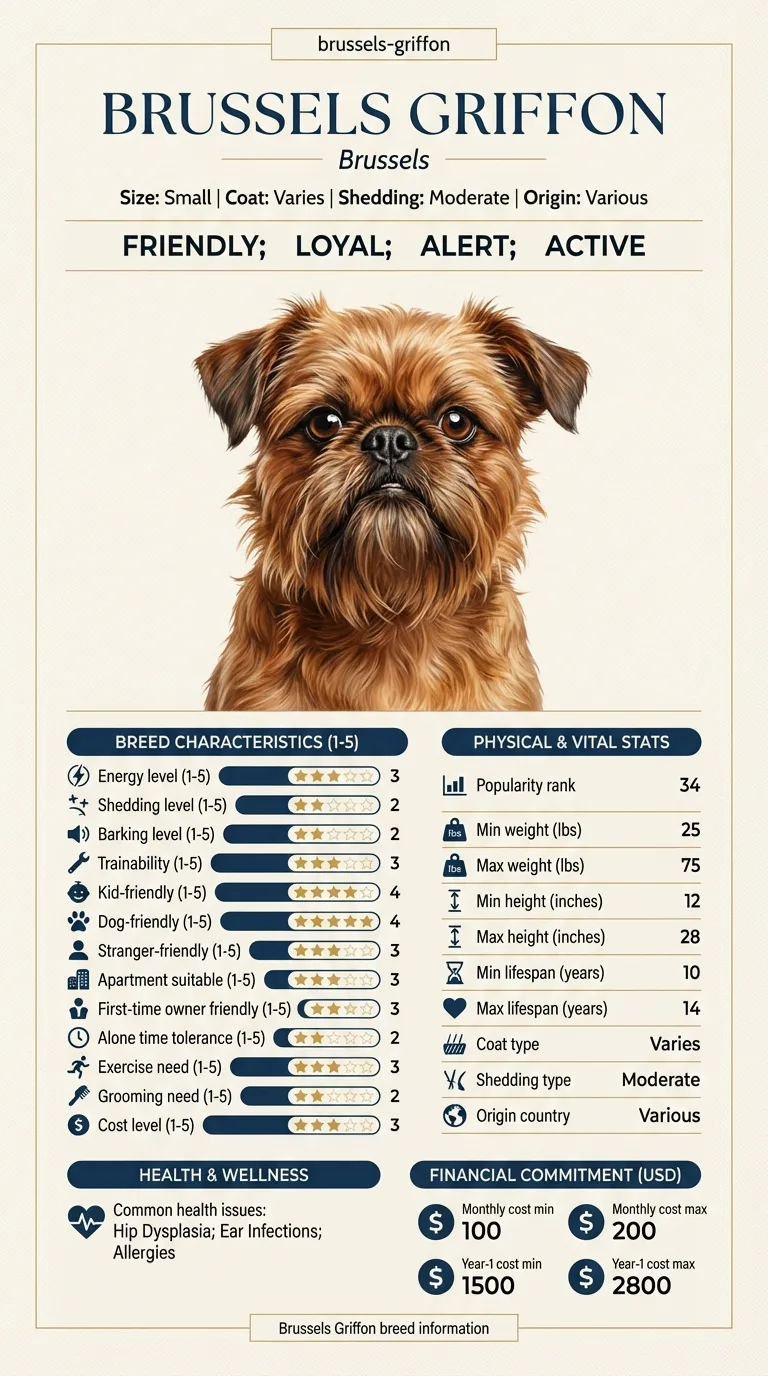
Typically, owners of Brussels Griffons may struggle with this condition, especially first-time pet parents or those unaware of the breed's health risks. If you're noticing signs of discomfort in your furry friend, it’s important to seek veterinary advice.
This guide is not medical advice. If your dog shows pain, sudden behavior change, or worsening symptoms, consult a licensed veterinarian.
Some links may be affiliate links. We may earn a commission at no extra cost to you. We only suggest products we believe are helpful for dog owners.
We research and check what we publish, but we do not warrant that any figure, date, price, or statement is accurate, complete, or current, and we accept no liability for any loss, cost, injury, or other harm arising from the use of this site. Use it as one reference among several. You remain responsible for your own decisions and for your dog's care - confirm anything that matters with a licensed veterinarian or another qualified professional before you act on it. Full disclaimer.
Check this first
Recognizing the signs of Brussels Griffon glaucoma is crucial for your dog's health. There are clear indicators that signal an emergency and require immediate veterinary attention. Additionally, some symptoms may not be urgent and can be monitored at home with a proper plan.
Red flags that mean you should call your vet now include sudden vision loss, severe eye pain, excessive tearing, or a visibly swollen eye. If your dog shows signs of distress, like pawing at their eye or refusing to eat, don’t wait—seek help immediately. These symptoms can indicate a severe increase in eye pressure, which can lead to lasting damage.
On the other hand, if you notice mild symptoms like slight redness or occasional squinting, you may not need to rush to the vet. Instead, keep an eye on these symptoms and track any changes over a few days. If your dog's condition worsens or doesn’t improve, then it’s time to consult your veterinarian. Always have a monitoring plan in place, and don’t hesitate to reach out if you’re unsure about your dog’s health. Keeping a close watch on your Brussels Griffon can help catch glaucoma early, leading to better outcomes.
If any of these apply, call your vet or an emergency clinic now. The rest of this page is for the cases that are not an emergency.
Brussels Griffon glaucoma is a serious eye condition that can lead to blindness if left untreated. This condition occurs when fluid builds up in the eye, increasing pressure and damaging the optic nerve. Owners may notice symptoms like squinting, redness, or excessive tearing in their dogs.
Glaucoma is relatively common in Brussels Griffons, especially as they age. Regular vet check-ups are crucial for early detection and management of this condition.
Brussels Griffons may be predisposed to glaucoma due to their unique eye structure. This breed has a tendency for eye-related issues, which can lead to increased pressure in the eye. Genetic factors play a significant role in their vulnerability to this condition.
Environmental factors can also contribute to the development of glaucoma in Brussels Griffons. Exposure to allergens, eye injuries, or other health issues like diabetes can increase the risk. If not properly managed, these factors may lead to higher eye pressure.
If you notice any signs of glaucoma, such as squinting, excessive tearing, or changes in vision, contact your vet immediately. Early diagnosis and treatment are essential to prevent permanent damage. Regular check-ups are also important for monitoring eye health.
Managing Brussels Griffon glaucoma requires careful attention. Here are some common mistakes owners make that can worsen the condition, along with safer alternatives.
Start here: Brussels Griffon Most Common Genetic Disorders: Screening
See all Brussels Griffon health problems, which breeds are prone to glaucoma, or the full Brussels Griffon breed guide for temperament, exercise needs and ownership costs.
Managing Brussels Griffon glaucoma can take several weeks to months. You will likely see gradual improvements as you work with your vet and adjust treatments.
Success means your Brussels Griffon experiences reduced discomfort, better vision, and overall improved quality of life. Regular vet check-ups and adherence to treatment plans are key.
Emily, a first-time dog owner, noticed that her Brussels Griffon, Charlie, was squinting and seemed uncomfortable. After a vet visit, she learned Charlie had glaucoma. Initially overwhelmed, Emily took the time to research how to stop Brussels Griffon glaucoma. With her vet's guidance, she started Charlie on medication and adjusted his diet. Over a few months, she noticed Charlie was more active and playful. The key was regular vet visits and sticking to the prescribed treatment plan.
Key takeaway: Consistency in treatment and open communication with your vet are vital when managing Brussels Griffon glaucoma.
Brussels Griffon glaucoma can be caused by genetic factors, previous eye injuries, or other underlying health issues. It's important to have a vet assess your dog's eyes to understand the specific cause and appropriate treatment options.
While you can't always prevent glaucoma, early detection is key. Regular eye exams can help your vet monitor eye pressure. If diagnosed, medications or surgery may be necessary to manage the condition.
Symptoms include excessive tearing, redness in the eye, and squinting. You might also notice your dog being more sensitive to light or having a cloudy eye. If you see these signs, consult your vet immediately.
Treatment often involves medications to reduce eye pressure. In severe cases, surgical options may be considered. Always follow your vet’s advice on the best course of action for your dog.
Yes, certain breeds, including Brussels Griffons, may have a genetic predisposition to glaucoma. If your dog’s parent or sibling had it, your dog might be at higher risk. Regular vet visits can help manage this risk.
While lifestyle changes alone won't prevent glaucoma, a healthy diet and regular exercise can support overall eye health. It's important to reduce stress and provide a calm environment for your dog.
For a Brussels Griffon, annual eye exams are recommended, but if there’s a history of eye problems, more frequent check-ups may be necessary. Consult your vet for a personalized schedule.
Early signs of Brussels Griffon glaucoma can include redness in the eye, excessive tearing, or squinting. You might also notice your dog rubbing their eyes or being more sensitive to light. If you see these signs, it’s important to consult a vet promptly.
Yes, older Brussels Griffons are more susceptible to glaucoma. As they age, the risk of eye diseases increases, making regular veterinary check-ups essential. Early detection can help manage the condition more effectively.
Managing your Brussels Griffon's glaucoma at home may include administering prescribed eye drops and monitoring their behavior for any changes. Regular vet visits are also crucial to adjust treatment as needed. Make sure to keep the environment calm and stress-free for your pup.
Yes, lifestyle changes may help a Brussels Griffon with glaucoma. Providing a low-stress environment, avoiding bright lights, and ensuring they don’t engage in rough play can be beneficial. Always consult your vet about specific adjustments tailored to your dog's situation.
Regular veterinary check-ups are crucial for early detection of glaucoma. Keep an eye on changes in your dog's behavior and eye appearance. Consult your vet immediately if symptoms arise.
Look for watery eyes, redness, or unusual sensitivity to light. If your dog is squinting or seems to be in pain, get a vet appointment as soon as possible.
Follow your vet's treatment plan, which may include medications or surgery. Monitor your dog's condition closely and keep all follow-up appointments.
Yes, training can help your Brussels Griffon adjust to changes. Use positive reinforcement to create a calm environment and minimize stress during vet visits.
Provide a safe, stress-free environment and avoid toys that could injure their eyes. Regularly clean their eyes to prevent irritation and follow your vet's care instructions.
A one-page prep sheet for this condition: the signs, the questions to ask, what to get priced. Unlocks here.
You get: Vet visit prep sheet
No spam. One-click unsubscribe. See our privacy policy.
Preview page 1 before you decide.