Health
What should I do if my Boxer shows signs of mmvd?
If your Boxer shows signs of myxomatous mitral valve disease (mmvd), schedule a vet appointment right away for evaluation and treatment options.

Quick answer
What should I do if my Boxer shows signs of mmvd?
If your Boxer shows signs of myxomatous mitral valve disease (mmvd), schedule a vet appointment right away for evaluation and treatment options.
Boxer myxomatous mitral valve disease (MMVD) is a prevalent heart condition that affects many Boxers, and it’s important to recognize its signs early.
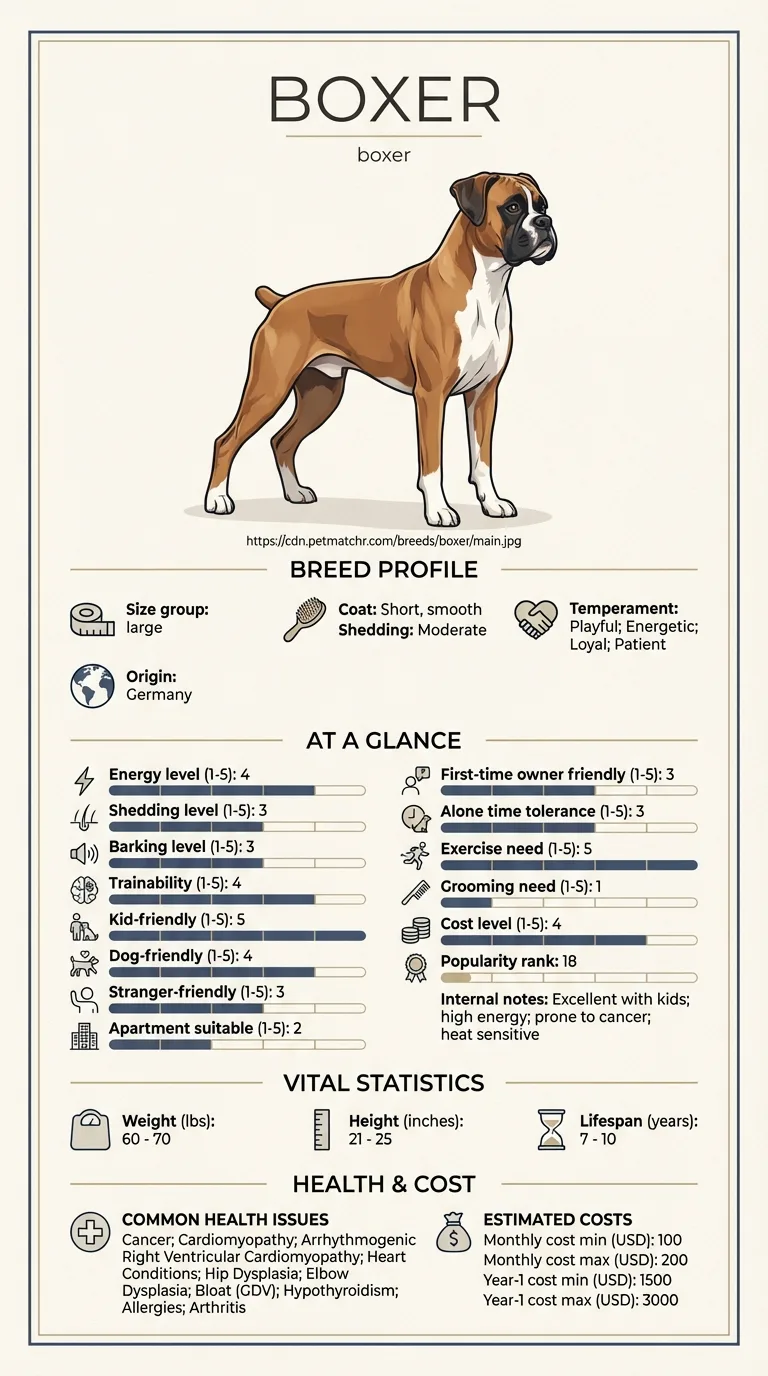
Typical Boxer owners include families with active lifestyles, dog lovers who prioritize their pet's health, and individuals who may not have experience with breed-specific health issues.
This guide is not medical advice. If your dog shows pain, sudden behavior change, or worsening symptoms, consult a licensed veterinarian.
Some links may be affiliate links. We may earn a commission at no extra cost to you. We only suggest products we believe are helpful for dog owners.
We research and check what we publish, but we do not warrant that any figure, date, price, or statement is accurate, complete, or current, and we accept no liability for any loss, cost, injury, or other harm arising from the use of this site. Use it as one reference among several. You remain responsible for your own decisions and for your dog's care - confirm anything that matters with a licensed veterinarian or another qualified professional before you act on it. Full disclaimer.
Check this first
Monitoring your Boxer for signs of myxomatous mitral valve disease (MMVD) is crucial, but some symptoms require immediate veterinary attention. If your Boxer shows severe coughing, difficulty breathing, or sudden lethargy, call your vet now. These signs can indicate worsening heart conditions that need urgent care.
Mild cases can often be managed with a watch-and-wait approach. For instance, if your Boxer experiences occasional coughing or minor fatigue during play, keep a close eye on these symptoms. Regular vet check-ups are key to adjusting your Boxer's treatment plan as needed. Make sure to track any changes in behavior, appetite, or energy levels to discuss with your vet.
In summary, red flags include: - Severe coughing or wheezing - Rapid or labored breathing - Sudden lethargy or collapse These require immediate veterinary intervention. On the other hand, mild symptoms like occasional coughing or light fatigue can be monitored, but always consult your vet if you're unsure. Keeping your Boxer healthy and happy should be your top priority.
If any of these apply, call your vet or an emergency clinic now. The rest of this page is for the cases that are not an emergency.
Boxer myxomatous mitral valve disease (MMVD) is a serious heart condition that can affect your dog's quality of life. It often goes unnoticed until symptoms worsen, leading to fatigue, coughing, and difficulty breathing. If your Boxer shows these signs, it's essential to consult a vet promptly.
MMVD is the most prevalent heart disease in Boxers, particularly in older dogs. Many Boxers over the age of 7 may experience this condition, making it a significant concern for owners.
Boxers are genetically predisposed to myxomatous mitral valve disease (MMVD). This heart condition is common in the breed due to inherited traits that affect heart valve structure and function. As they age, the risk increases, leading to complications in their cardiovascular health.
Environmental factors can also contribute to the development of MMVD in Boxers. Stressful living situations, lack of exercise, and poor diet can exacerbate heart issues. Additionally, exposure to extreme temperatures can put extra strain on their hearts.
If you notice symptoms like coughing, fatigue, or trouble breathing, contact your vet immediately. Regular check-ups are crucial for monitoring your Boxer’s heart health, especially as they age.
Avoiding certain common mistakes can help manage your Boxer's myxomatous mitral valve disease (MMVD). Here are key behaviors to watch out for.
Start here: Boxer Most Common Genetic Disorders: What to Screen For
See all Boxer health problems, which breeds are prone to myxomatous mitral valve disease mmvd, or the full Boxer breed guide for temperament, exercise needs and ownership costs.
You can expect to see noticeable changes in your Boxer’s condition within 3 to 6 months with proper management.
Success means your Boxer has improved energy levels, maintains a healthy weight, and displays fewer symptoms related to myxomatous mitral valve disease (MMVD).
When Sarah, a busy nurse in Denver, adopted Bella, her 5-year-old Boxer, she quickly noticed Bella was easily fatigued and occasionally coughed. After a vet visit, Sarah learned that Bella had myxomatous mitral valve disease (MMVD). Determined to help Bella, Sarah implemented a heart-healthy diet, regular vet check-ups, and tailored exercise routines. Over several months, Bella's energy returned, and she became more playful, allowing Sarah to enjoy long walks again.
Key takeaway: With proactive management and a loving approach, you can significantly improve your Boxer’s quality of life despite challenges like MMVD.
The exact cause of myxomatous mitral valve disease (mmvd) in Boxers isn't fully understood, but genetics play a significant role. Older Boxers are more prone to this condition, and it may be exacerbated by other health issues.
Managing myxomatous mitral valve disease (mmvd) in Boxers involves regular veterinary check-ups, medication to support heart function, and lifestyle adjustments. Maintaining a healthy weight and providing moderate exercise can also help.
Signs of myxomatous mitral valve disease (mmvd) may include coughing, difficulty breathing, lethargy, and reduced appetite. If you notice these symptoms, consult your vet immediately.
Currently, there is no cure for myxomatous mitral valve disease (mmvd). However, early diagnosis and treatment can significantly improve your Boxer’s quality of life and longevity.
Training for Boxers with myxomatous mitral valve disease (mmvd) should focus on gentle, low-impact activities. Positive reinforcement techniques are effective, ensuring that the training is enjoyable without overexerting your dog.
Early signs of Boxer myxomatous mitral valve disease (mmvd) can include coughing, difficulty breathing, or lethargy. You might also notice a decreased tolerance for exercise or unusual fatigue during playtime. If you observe these symptoms, consult your vet for an evaluation.
Yes, many Boxers with myxomatous mitral valve disease (mmvd) can still enjoy an active lifestyle, but it's essential to monitor their energy levels. Adjusting exercise intensity and ensuring plenty of rest are key. Always discuss your dog's activity plan with your vet.
Diagnosis of Boxer myxomatous mitral valve disease (mmvd) typically involves a thorough veterinary examination, including a physical check and diagnostic imaging like X-rays or echocardiograms. These tests help assess heart size and function, providing a clearer picture of your dog's health.
Treatment options for Boxer myxomatous mitral valve disease (mmvd) may include medications to manage symptoms and improve heart function. In more severe cases, surgical options might be recommended. Always work closely with your vet to determine the best course of action for your dog.
Yes, there is a genetic predisposition to myxomatous mitral valve disease (mmvd) in Boxers, meaning that some dogs may be more likely to develop this condition. If you're considering breeding, consult with a veterinarian to understand the risks and ensure healthy breeding practices.
If your Boxer shows signs of myxomatous mitral valve disease (mmvd), schedule a vet appointment right away for evaluation and treatment options.
A diet low in sodium and rich in omega-3 fatty acids may benefit Boxers with myxomatous mitral valve disease (mmvd). Consult your vet for tailored dietary recommendations.
Providing a calm and loving environment, along with gentle companionship, can help your Boxer cope with the anxiety that may come with myxomatous mitral valve disease (mmvd).
Treating myxomatous mitral valve disease (mmvd) can range from $100 to $500 monthly, depending on medication and vet visits. It's essential to budget for these ongoing costs.
A one-page prep sheet for this condition: the signs, the questions to ask, what to get priced. Unlocks here.
You get: Vet visit prep sheet
No spam. One-click unsubscribe. See our privacy policy.
Preview page 1 before you decide.
Early access list
The free prep sheet covers the same-day warning signs, a symptom log and the questions to ask. We are considering a fuller kit that adds a cost worksheet for the usual tests and treatments (US price ranges with their sources) and a plain-English guide to ways of covering the bill. It is not built yet; this list tells us whether it is worth building.
One email, no spam, unsubscribe anytime. Information only, not veterinary advice.