DogBreedCompass
← Back to breed profile

Understanding Boxer Intervertebral Disc Disease (IVDD) Type I

Boxer intervertebral disc disease (IVDD) type I is a serious condition where herniated discs press on the spinal cord. This can lead to pain, mobility issues, and other complications.

Understanding Boxer Intervertebral Disc Disease (IVDD) Type I infographic

Many Boxer owners face challenges with IVDD, particularly those who have active dogs or live in environments where their pets may have more strain on their backs. Busy families and first-time owners may also find it tough to recognize early signs, making education on this issue even more critical.

Important reminder

This guide is not medical advice. If your dog shows pain, sudden behavior change, or worsening symptoms, consult a licensed veterinarian.

Some links may be affiliate links. We may earn a commission at no extra cost to you. We only suggest products we believe are helpful for dog owners.

What this problem looks like

Boxer intervertebral disc disease (IVDD) type I can be a challenging condition for both dogs and their owners. This problem often manifests as pain, difficulty walking, or even paralysis in severe cases. It occurs when herniated discs press on the spinal cord, which can happen due to the breed's unique physical structure and activity level.

Common triggers

  • High-impact activities like jumping or climbing stairs
  • Rapid movements or sudden twists
  • Obesity or excessive weight strain on the spine

Intervertebral disc disease type I is relatively common in Boxers, particularly as they age. Many Boxers may experience some level of disc problems, especially if they are highly active or overweight. Early detection and management can make a significant difference in their quality of life.

Why this happens

Breed factors

Boxers are a large breed with a muscular build, which can put extra strain on their spine. They are also prone to certain genetic conditions, including intervertebral disc disease (IVDD). This predisposition may lead to herniated discs, especially if they engage in high-impact activities without proper conditioning.

Environment factors

Improper exercise routines, such as jumping or rough play, can increase the risk of IVDD in Boxers. Additionally, an unhealthy weight can add pressure on their spine, making them more susceptible to disc issues. Environments with slippery floors or inadequate support for their joints can also contribute to this condition.

What you can try

At-home strategies

  • Implement a low-impact exercise routine. Focus on gentle walks and swimming to maintain fitness without stressing their back.
  • Ensure your home is safe. Use rugs or mats on slippery floors to prevent slipping and falling.
  • Monitor your Boxer’s weight closely. Keep them at a healthy weight to reduce strain on their spine.

When to consider a trainer

If your Boxer struggles with obedience or exhibits signs of anxiety during walks, it may be helpful to consult a trainer. A professional can provide tailored exercises that focus on building core strength and proper movement.

When to talk to your vet

If your Boxer shows signs of pain, difficulty walking, or lack of coordination, contact your vet immediately. Early intervention can prevent further injury and help manage their condition effectively.

Realistic expectations

Managing Boxer intervertebral disc disease (IVDD) type I takes time. Initial changes in your dog's behavior can be seen in 4-6 weeks with consistent training and care.

Success means a noticeable reduction in pain, increased mobility, and improved quality of life for your Boxer. Regular vet check-ups and adherence to treatment plans are essential.

Mistakes that make this worse

Here are some common mistakes that can worsen Boxer intervertebral disc disease (IVDD) type I. Avoiding these pitfalls can help your dog recover more effectively.

  • Not recognizing early signs: Ignoring symptoms like reluctance to move or yelping in pain can delay treatment. Always pay attention to your dog's behavior and seek veterinary advice promptly.
  • Lack of appropriate exercise: Overexerting your Boxer can worsen their condition. Instead, focus on gentle, controlled activities prescribed by your vet to maintain mobility without strain.
  • Improper weight management: Excess weight puts extra pressure on your dog's spine. Ensure your Boxer is on a healthy diet and consult your vet for a weight management plan if needed.
  • Not following vet recommendations: Skipping prescribed medications or therapies can hinder recovery. Stick to your vet's advice and discuss any concerns to ensure your dog receives the best care.
  • Ignoring rest periods: Allowing your Boxer to engage in high-energy play can exacerbate their condition. Create a calm environment with plenty of rest breaks to aid in their healing.
  • Neglecting spinal support: Failing to provide proper support, like a supportive bed or harness, can lead to further injury. Invest in products designed to help reduce strain on your dog's back.

When Boxer Intervertebral Disc Disease (IVDD) Type I is an Emergency

Call your vet right away if your Boxer shows any of the following red-flag signs: - Sudden inability to walk or stand. - Severe pain when touched or moved. - Loss of bladder or bowel control. - Signs of paralysis, like dragging hind legs.

These symptoms indicate that your dog may have a severe herniation affecting the spinal cord, which requires urgent care. On the other hand, if your Boxer exhibits mild symptoms such as slight limping, reluctance to jump, or occasional yelping, you can typically monitor these with a plan.

In these less severe cases, observe your dog closely for changes. Consider reducing exercise and providing a comfortable, supportive environment. If symptoms persist or worsen over a few days, it’s wise to consult your vet. Keeping a close eye on your Boxer will help you make informed decisions about their needs.

Always err on the side of caution. If you aren't sure about your dog's condition, it's better to seek veterinary advice sooner than later. Your vet can help you create a management plan tailored to your Boxer’s needs, keeping their comfort and health in mind.

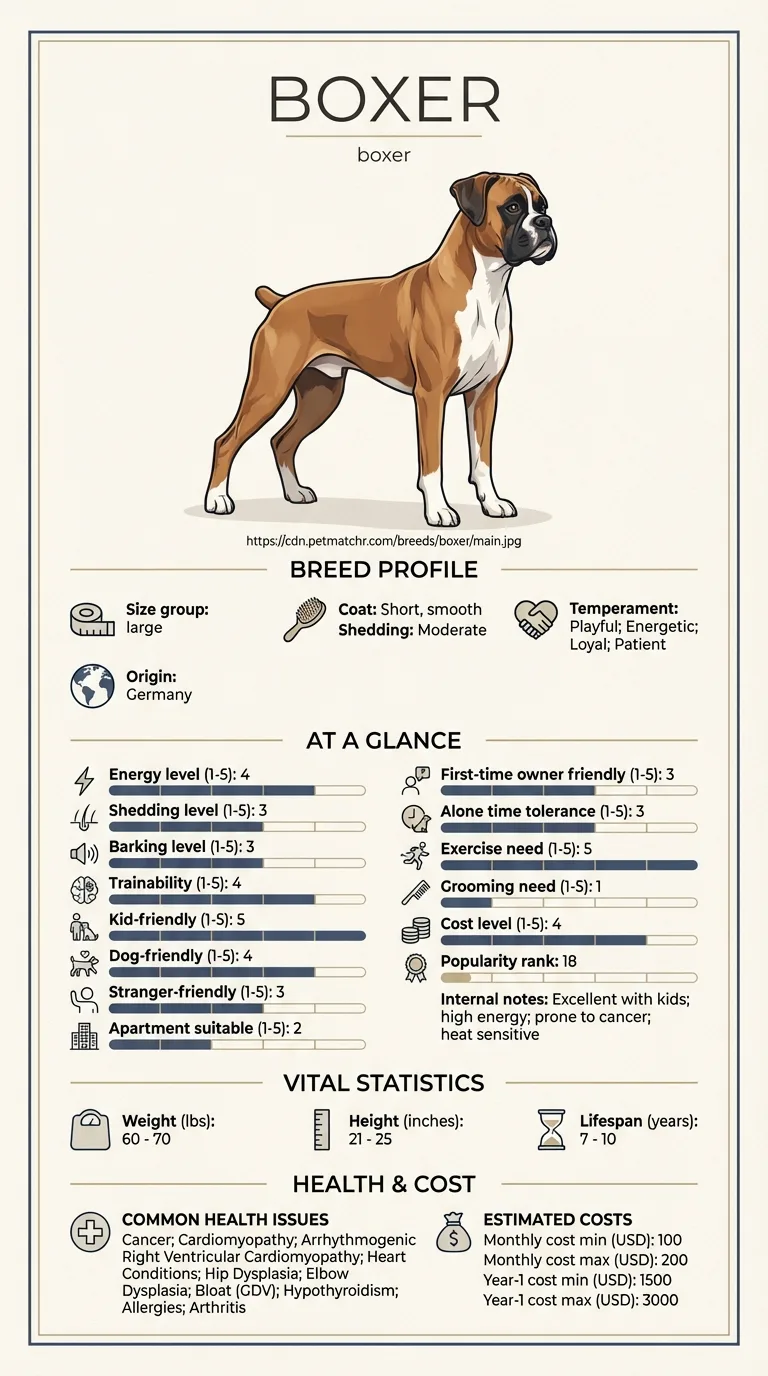
Understanding Boxer Intervertebral Disc Disease (IVDD) Type I - When Boxer Intervertebral Disc Disease (IVDD) Type I is an Emergency

A Journey to Recovery: Max the Boxer

When Sarah adopted Max, her energetic Boxer, she was thrilled. But soon, Max showed signs of pain and trouble moving. After a vet diagnosed him with intervertebral disc disease (IVDD) type I, Sarah felt overwhelmed. She started a treatment plan that included medication, physical therapy, and careful management of Max's activities. Over a few months, with patience and dedication, Max regained much of his mobility and joy. Sarah learned to adjust their daily routine, incorporating gentle games and regular vet visits.

Key takeaway: With the right care and commitment, you can help your Boxer manage IVDD and lead a fulfilling life.

Frequently asked questions

Why does my Boxer have intervertebral disc disease (IVDD) type I?

Boxers are prone to intervertebral disc disease (IVDD) type I due to their genetics and physical structure. The disease involves herniated discs that press on the spinal cord, leading to pain and mobility issues. Regular check-ups with your vet can help manage and detect problems early.

How can I stop my Boxer from developing IVDD type I?

While you can't completely prevent IVDD type I, you can reduce risks by maintaining a healthy weight and ensuring regular, low-impact exercise. Avoid high-impact activities that strain the back, and keep your Boxer from jumping excessively or engaging in rough play.

What are the signs of IVDD type I in Boxers?

Signs of IVDD type I in Boxers may include back pain, reluctance to move, weakness in the legs, or difficulty standing. If you notice these symptoms, it's crucial to consult your veterinarian for a proper diagnosis and treatment plan.

What treatment options are available for IVDD type I?

Treatment for IVDD type I can range from conservative management, like rest and medications, to more severe interventions such as surgery. Your vet will help determine the best approach based on your Boxer’s condition and overall health.

Is IVDD type I common in Boxers?

Yes, intervertebral disc disease type I is relatively common in Boxers, especially as they age. Being aware of this predisposition can help owners be proactive about their dog's health and seek veterinary advice when necessary.

What are the early signs of Boxer intervertebral disc disease (ivdd) type i?

Early signs include reluctance to move, stiffness, and difficulty jumping or climbing stairs. You might also notice your Boxer appears to be in pain when touched along the spine.

Can older Boxers develop intervertebral disc disease (ivdd) type i?

Yes, older Boxers are at a higher risk for intervertebral disc disease (ivdd) type i. As they age, the discs can degenerate, making them more susceptible to herniation.

How can I support my Boxer if they have intervertebral disc disease (ivdd) type i?

Support your Boxer with gentle exercise, a comfortable bed, and regular vet check-ups. Avoid high-impact activities, and consider physical therapy if recommended by your vet.

Why does my Boxer have intervertebral disc disease (ivdd) type i?

Boxers may develop intervertebral disc disease (ivdd) type i due to genetic predisposition, age, or injury. It's essential to consult your vet to understand the specific cause for your dog.

What treatment options are available for Boxer intervertebral disc disease (ivdd) type i?

Treatment options include pain management, anti-inflammatory medications, and in severe cases, surgery. Your vet can help determine the best course of action based on your Boxer's condition.

Quick answers

View more answers
Behavior

What are quick tips for managing Boxer intervertebral disc disease (IVDD) type I?

To manage IVDD type I, ensure your Boxer maintains a healthy weight, limit jumping, and provide regular, gentle exercise. Regular vet visits are crucial for monitoring their condition.

Costs

How much does treatment for IVDD type I cost?

Treatment costs for IVDD type I can vary widely but typically range from $1,500 to $4,000 depending on the severity and treatment type. It's important to discuss potential costs with your vet.

Health

What are the signs of pain in Boxers with IVDD?

Signs of pain may include whining, reluctance to move, or changes in posture. If your Boxer shows any of these signs, it's essential to contact your vet promptly.

Training

Can training help with IVDD type I in Boxers?

Yes, training focused on gentle obedience and controlled movements can help manage IVDD type I. Always consult with a professional trainer familiar with IVDD to ensure safety.

Related DogBreedCompass guides

Related guides