Behavior
What are some Boxer heat sensitivity & hyperthermia quick tips?
Avoid exercising your Boxer in extreme heat, and always provide access to shade and water. Watch for signs of overheating and act quickly if they occur.
Boxers are prone to heat sensitivity and hyperthermia, which can lead to serious health issues. Understanding this condition is crucial for their well-being. (Boxer heat sensitivity & hyperthermia)

Owners of Boxers, particularly those living in warmer climates or with active lifestyles, often face challenges managing their dog's heat sensitivity. First-time dog owners may also struggle to identify the signs of overheating, making it important to be informed.
This guide is not medical advice. If your dog shows pain, sudden behavior change, or worsening symptoms, consult a licensed veterinarian.
Some links may be affiliate links. We may earn a commission at no extra cost to you. We only suggest products we believe are helpful for dog owners.
Boxer heat sensitivity and hyperthermia can be serious issues for this breed. Boxers are prone to overheating, especially during hot weather or intense exercise. This can lead to heatstroke, which is dangerous and requires immediate attention.
Heat sensitivity is quite common in Boxers, making them 533% more at risk for heat-related illnesses. Their short muzzle can hinder effective panting, which is essential for cooling down. Therefore, it's crucial to monitor their activity and ensure they stay cool.
Boxers are large, muscular dogs with short coats, which makes them more susceptible to heat sensitivity. Their body structure can make it harder for them to cool down, especially during high temperatures. Additionally, their high energy levels mean they often overexert themselves, increasing the risk of overheating.
Heat sensitivity can worsen in hot, humid environments. If Boxers are kept outdoors without shade or water, or if they are exercised during peak heat hours, they are at an even higher risk for hyperthermia. Stressful situations, like crowded spaces, can also elevate their body temperature.
If your Boxer frequently overexerts during walks or play, consider consulting a trainer who specializes in heat sensitivity. They can help you develop a tailored exercise plan that considers your dog's needs and limits.
Talk to your vet if your Boxer shows persistent signs of heat sensitivity or if they've suffered from hyperthermia before. It's essential to rule out any underlying health conditions that may contribute to their heat sensitivity.
You can expect to see improvements in your Boxer’s heat sensitivity within a few weeks of consistent training and management strategies. However, full adaptation can take several months, especially during hotter seasons.
Success means your Boxer will be able to enjoy outdoor activities without showing signs of distress or overheating. You'll notice they can handle warm weather better and respond positively to your cooling techniques.
Here are common mistakes owners make that can worsen their Boxer's heat sensitivity and increase the risk of hyperthermia. Avoiding these errors can help keep your dog safe and healthy.
Understanding when your Boxer’s heat sensitivity and hyperthermia become critical is key for their safety. If you notice any severe signs, it’s important to call your vet immediately. The following red flags indicate that your dog may be experiencing a heat-related emergency.
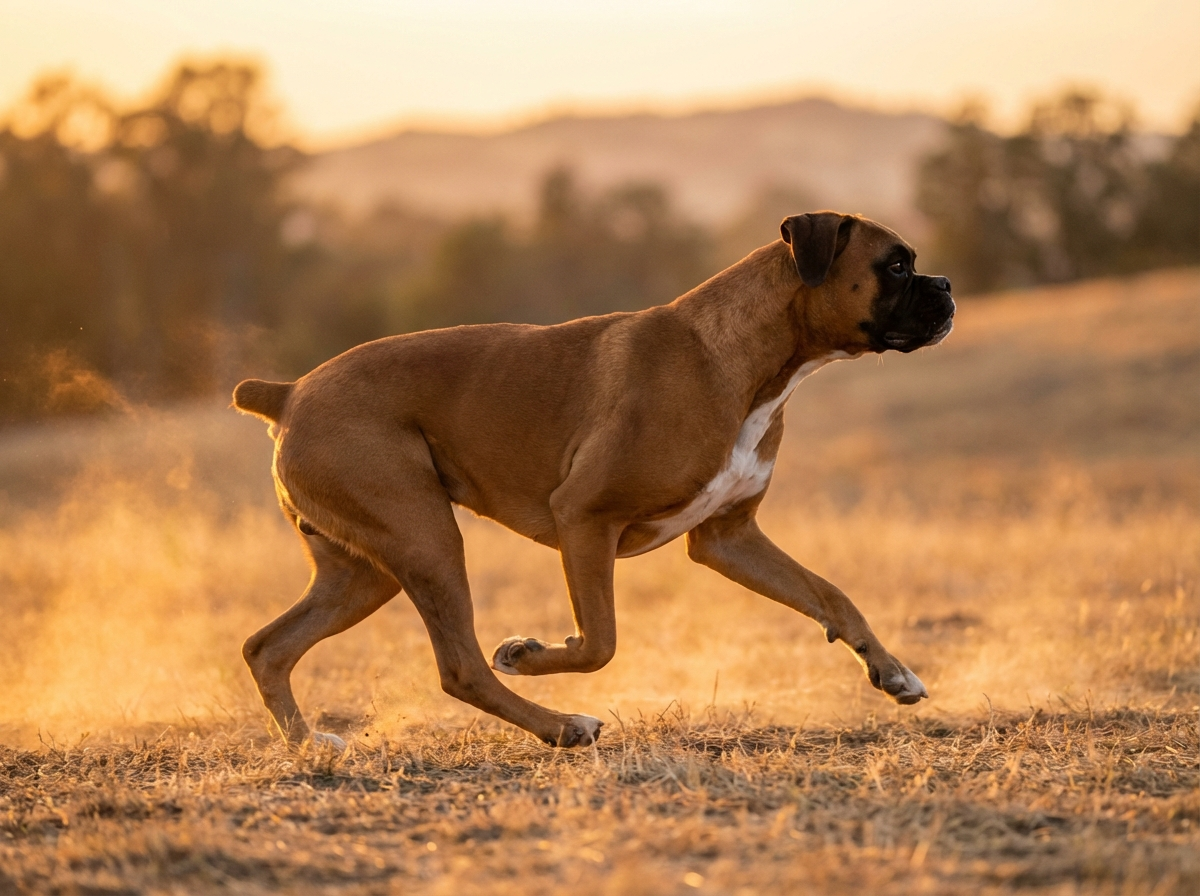
In some situations, your Boxer may show mild symptoms that require monitoring rather than immediate action. If your dog is simply panting and seems a bit restless but is still responsive, you can take steps to cool them down at home. Ensure they are hydrated and in a cooler environment.
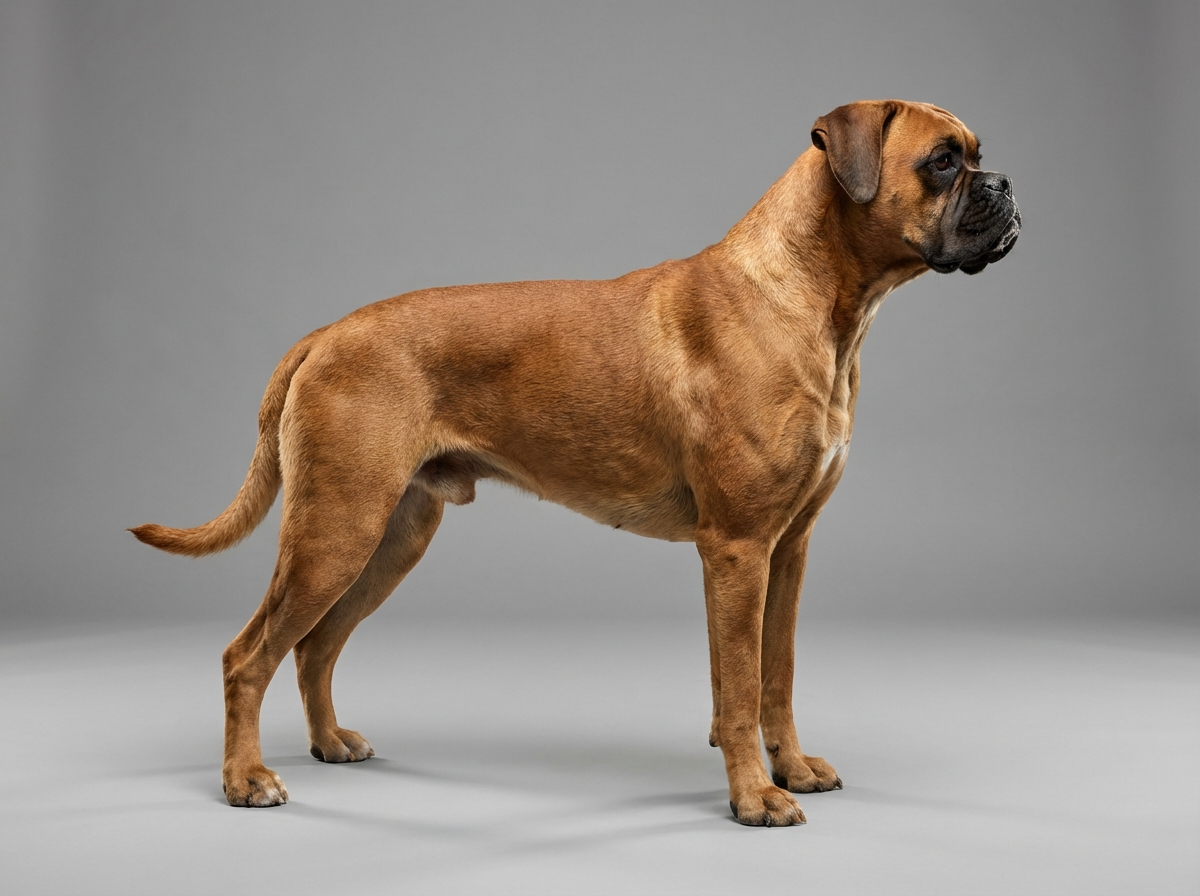
Sarah, a busy nurse in Phoenix, was worried about her Boxer, Max. Every time summer hit, Max seemed lethargic and uncomfortable, refusing to play outside. After consulting her vet, Sarah learned how to stop Boxer heat sensitivity & hyperthermia by keeping Max cool with water breaks and training him to stay in shaded areas. With daily morning walks and careful monitoring, Max became more active and happy during the hot months.
Key takeaway: Managing heat sensitivity in Boxers is all about consistency and preparation; proactive measures can lead to a healthier and happier dog.
Boxers are prone to heat sensitivity due to their short snouts, which makes it harder for them to cool down. They can quickly overheat, especially in hot weather or during intense exercise. Keeping their environment cool and monitoring their activity levels is essential.
Signs of overheating include excessive panting, drooling, lethargy, and difficulty breathing. If you notice these symptoms, move your Boxer to a cooler area immediately and offer them water. If their condition doesn't improve, contact a vet.
If you suspect hyperthermia, cool your Boxer down gradually using cool (not cold) water. Offer water, but don't force it. Seek veterinary assistance as soon as possible to ensure their safety.
To manage heat sensitivity during training, schedule sessions during cooler parts of the day, like early morning or late evening. Always take breaks in shaded areas and provide plenty of fresh water. Use positive reinforcement to encourage calm behavior in the heat.
Yes, heat sensitivity is common in Boxers, particularly because of their brachycephalic features. However, individual tolerance may vary based on age, health status, and conditioning. Always keep an eye on your Boxer in warm weather.
Signs of hyperthermia in Boxers include excessive panting, drooling, weakness, and disorientation. If your Boxer shows these symptoms, it’s crucial to cool them down immediately and consult a vet.
Yes, older Boxers may have a harder time regulating their body temperature. Their health conditions can make them more vulnerable to heat, so extra precautions are necessary during hot weather.
You can help your Boxer cope by providing plenty of water, ensuring they have access to shade, and avoiding outdoor activities during peak heat hours. Cooling mats and fans can also be beneficial.
If your Boxer shows severe symptoms of heat stress, such as collapse or seizures, you should seek immediate veterinary care. Early intervention can be critical in preventing serious health risks.
It's generally not safe to exercise your Boxer during hot weather. Opt for early morning or late evening walks when temperatures are cooler, and always monitor for any signs of overheating.
Avoid exercising your Boxer in extreme heat, and always provide access to shade and water. Watch for signs of overheating and act quickly if they occur.
Use fans or air conditioning to keep your home cool. Provide frozen treats or cooling mats to help lower their body temperature.
Train during cooler times of the day and include frequent breaks. Always reward calm behavior to make training more manageable.
Check your Boxer regularly during hot days, especially after exercise. Look for signs of distress like excessive panting or lethargy.