Behavior
How to stop Boxer cherry eye?
To manage Boxer cherry eye, consult your vet for treatment options, which may include medications or surgery. Regular monitoring is essential.

Quick answer
How to stop Boxer cherry eye?
To manage Boxer cherry eye, consult your vet for treatment options, which may include medications or surgery. Regular monitoring is essential.
Boxer cherry eye is a common issue affecting the eyelid gland, leading to noticeable swelling. It's important to address this condition to keep your dog comfortable and healthy.
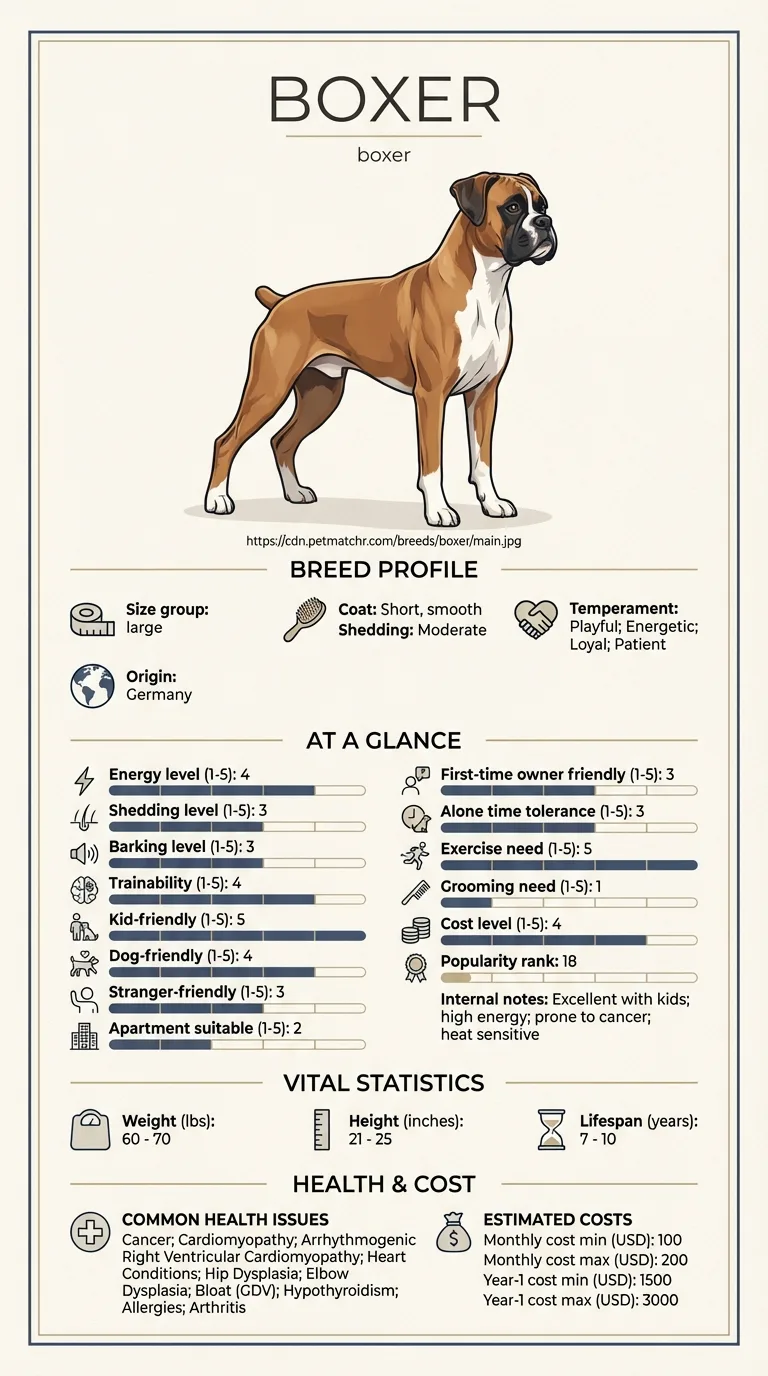
Owners of Boxers, especially those who are new to the breed, often face this problem. Busy families or individuals may find it challenging to recognize or manage this issue promptly.
This guide is not medical advice. If your dog shows pain, sudden behavior change, or worsening symptoms, consult a licensed veterinarian.
Some links may be affiliate links. We may earn a commission at no extra cost to you. We only suggest products we believe are helpful for dog owners.
We research and check what we publish, but we do not warrant that any figure, date, price, or statement is accurate, complete, or current, and we accept no liability for any loss, cost, injury, or other harm arising from the use of this site. Use it as one reference among several. You remain responsible for your own decisions and for your dog's care - confirm anything that matters with a licensed veterinarian or another qualified professional before you act on it. Full disclaimer.
Check this first
Not all cases of Boxer cherry eye require immediate veterinary attention. However, there are specific situations that warrant an emergency visit. If your Boxer shows signs of severe discomfort, such as excessive pawing at the eye, persistent squinting, or redness and swelling around the eye, you should contact your vet right away. These symptoms could indicate complications that need urgent care.
Additionally, if your Boxer is experiencing any discharge from the eye or if the cherry eye is accompanied by significant swelling, you should seek veterinary help immediately. These symptoms can lead to serious issues if left untreated.
On the other hand, if your Boxer simply has a mild case of cherry eye without any signs of pain or infection, you can monitor the situation. Keep an eye on the eye and assess any changes in behavior. If it’s not causing discomfort, you can try some at-home remedies, but always consult your vet for guidance. Regular check-ins and a safe environment can help ensure your dog's comfort while you manage this issue.
If any of these apply, call your vet or an emergency clinic now. The rest of this page is for the cases that are not an emergency.
Boxer cherry eye is a condition where a gland in the dog's eyelid protrudes, creating a noticeable red mass. This can be alarming for dog owners, as it looks uncomfortable and can lead to other eye issues if not addressed. Commonly seen in Boxers, this condition is often triggered by genetics or stress, making it crucial for owners to be aware of the signs.
Cherry eye is relatively common in Boxers, with estimates suggesting that around 1 in 10 Boxers may experience this issue at some point in their lives. While not every Boxer will face this problem, being proactive can help mitigate its effects.
Cherry eye is more common in Boxers due to their unique eye structure. The breed's specific genetics can make them more susceptible to eyelid gland prolapse, which is what cherry eye is.
Environmental factors such as stress, lack of proper nutrition, or allergies can contribute to cherry eye as well. If your Boxer experiences significant anxiety or is in a stressful living situation, this may trigger or worsen the condition.
If your Boxer's cherry eye persists or worsens, it's important to see a vet. They can determine if surgery or other medical interventions are necessary to resolve the issue.
Here are some common mistakes Boxer owners make that can worsen cherry eye or delay improvement. Avoiding these pitfalls can help your pet feel more comfortable.
Start here: Boxer Most Common Genetic Disorders: What to Screen For
See all Boxer health problems, which breeds are prone to cherry eye, or the full Boxer breed guide for temperament, exercise needs and ownership costs.
It may take several weeks to months to see improvement with Boxer cherry eye. Consistent care under your vet's plan, along with possible veterinary intervention, can lead to positive changes.
Success means reduced irritation and discomfort for your Boxer, with the cherry eye either managed effectively or surgically corrected, allowing them to live their life comfortably.
When Mia adopted her Boxer, Jake, she noticed a red, swollen gland in his eye shortly after bringing him home. Concerned, she learned that this was a common issue known as cherry eye. After consulting with her vet, Mia decided to try a combination of topical treatments and training exercises to keep Jake calm and less stressed about his eye. While the cherry eye didn’t completely resolve, Mia saw significant improvement in Jake's comfort level. With patience and a visit to a veterinary ophthalmologist, they ultimately scheduled a minor surgery to correct the cherry eye, and Jake was much happier afterward.
Key takeaway: If your Boxer has cherry eye, don’t panic. Early veterinary consultation and a blend of treatments can make a big difference in your dog’s comfort and well-being.
Boxer cherry eye refers to the prolapse of the third eyelid gland, which can cause a red or pink bulge in the inner corner of your dog's eye. This condition is common in Boxers and can lead to discomfort and eye problems if not treated.
Treatment options for Boxer cherry eye include topical medications to reduce inflammation or surgical correction to reposition the gland. Consulting with a veterinarian for the best course of action is crucial.
While you can’t completely prevent cherry eye, keeping your Boxer healthy and stress-free can help. Regular vet check-ups can catch potential issues early, and proper training can reduce anxiety and stress.
Signs of cherry eye include a visible pink or red lump in the eye, excessive tearing, or squinting. If you notice these symptoms, it's important to consult a veterinarian promptly.
Cherry eye is not typically a life-threatening condition, but it can cause discomfort and lead to more serious eye problems if left untreated. Addressing it early can help avoid complications.
Cherry eye in Boxers occurs when a gland in the eyelid prolapses or bulges out. This can be due to genetics, age, or stress. It's important to consult a vet for proper diagnosis and treatment.
In some cases, cherry eye may temporarily reduce or retract, but it typically does not resolve itself permanently. If left untreated, it can lead to further complications, so seeing a veterinarian is advisable.
Cherry eye can be uncomfortable for your Boxer and may cause irritation or redness. If you notice signs of discomfort, such as excessive tearing or pawing at the eye, it's best to consult a vet.
Treatment options for cherry eye include surgical correction or medical management. Surgery is often recommended to reposition the gland, while some cases may be managed with anti-inflammatory medications. Always consult your vet for the best course of action.
To manage Boxer cherry eye, consult your vet for treatment options, which may include medications or surgery. Regular monitoring is essential.
Home remedies are not recommended for cherry eye as they can aggravate the condition. Always seek veterinary advice for appropriate treatment.
After treatment, monitor your Boxer for signs of pain, increased tearing, or redness. Follow-up vet visits are important to ensure proper healing.
Yes, cherry eye is relatively common in Boxers due to their anatomy. Awareness can help you catch it early and seek treatment.
The cost of treating cherry eye in Boxers can vary, with surgical options potentially ranging from $300 to $1,500, depending on the severity and location.
A one-page prep sheet for this condition: the signs, the questions to ask, what to get priced. Unlocks here.
You get: Vet visit prep sheet
No spam. One-click unsubscribe. See our privacy policy.
Preview page 1 before you decide.