Health
What are quick tips for managing Boxer cardiomyopathy?
Regular vet check-ups, a balanced diet, and controlled exercise are vital. Monitor your Boxer's behavior for any signs of distress or irregular heartbeat.

Quick answer
What are quick tips for managing Boxer cardiomyopathy?
Regular vet check-ups, a balanced diet, and controlled exercise are vital. Monitor your Boxer's behavior for any signs of distress or irregular heartbeat.
Boxer cardiomyopathy is a serious heart condition that affects this breed. It can lead to severe health issues if not managed properly.
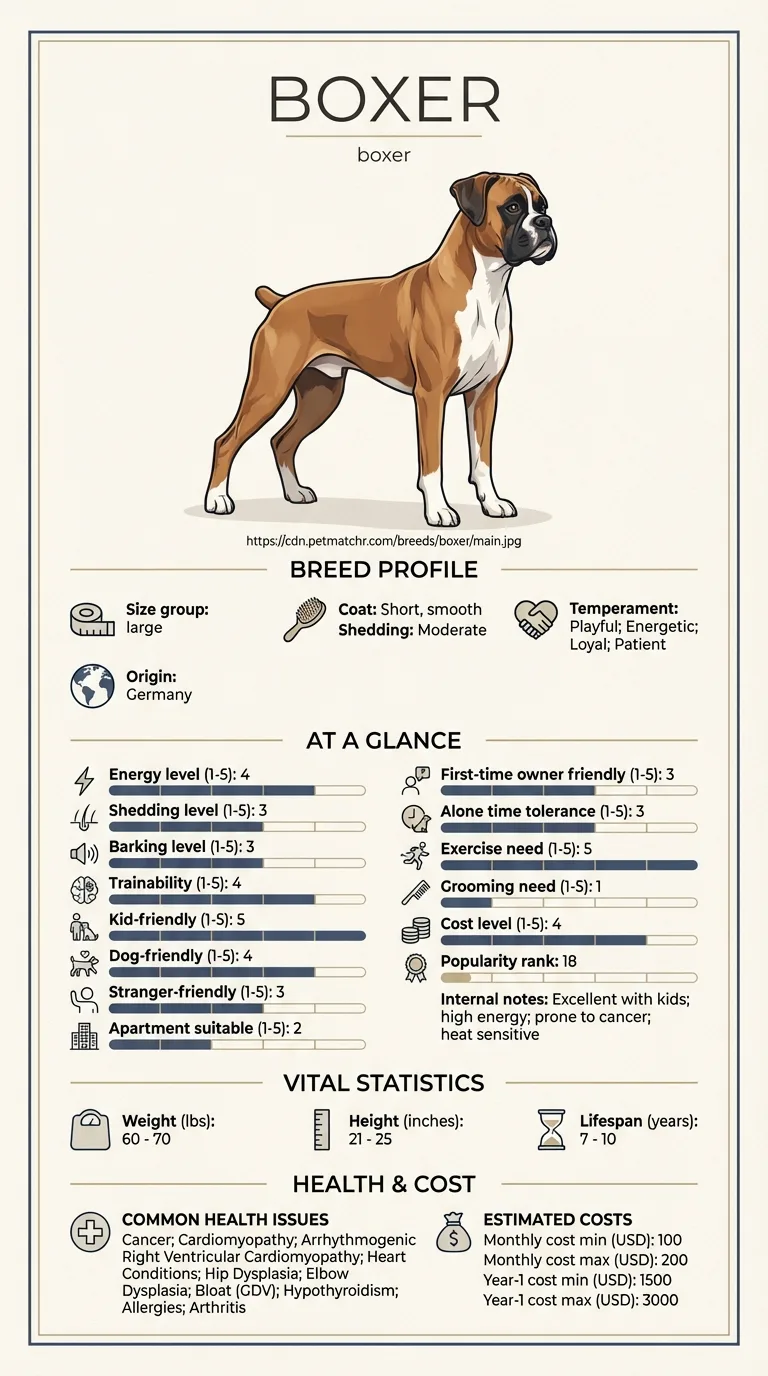
Boxer owners, especially those with active or older dogs, often face the challenge of managing this condition. First-time dog owners may feel overwhelmed, while experienced handlers may still need guidance on the latest treatments and training methods.
This guide is not medical advice. If your dog shows pain, sudden behavior change, or worsening symptoms, consult a licensed veterinarian.
Some links may be affiliate links. We may earn a commission at no extra cost to you. We only suggest products we believe are helpful for dog owners.
We research and check what we publish, but we do not warrant that any figure, date, price, or statement is accurate, complete, or current, and we accept no liability for any loss, cost, injury, or other harm arising from the use of this site. Use it as one reference among several. You remain responsible for your own decisions and for your dog's care - confirm anything that matters with a licensed veterinarian or another qualified professional before you act on it. Full disclaimer.
Check this first
Boxer cardiomyopathy can be serious, and recognizing when it’s an emergency is crucial. If your Boxer shows signs of severe symptoms, it’s time to call your vet immediately. Red flags include sudden collapse, difficulty breathing, persistent coughing, or lethargy that seems out of character. These symptoms indicate that your dog's heart is struggling and may require immediate medical intervention.
On the other hand, mild cases of Boxer cardiomyopathy can sometimes be monitored with a plan. If your Boxer is showing slight fatigue during exercise or has an occasional cough without other concerning signs, you can keep an eye on them at home. Regular vet check-ups and monitoring their condition can help manage these symptoms effectively. Always consult your vet about the best approach for your specific situation.
Remember, when in doubt, it's better to err on the side of caution. Your vet can help you determine if the symptoms warrant an urgent visit or if it's safe to wait. Keeping a close watch on your Boxer’s health and behavior will help you make informed decisions.
If any of these apply, call your vet or an emergency clinic now. The rest of this page is for the cases that are not an emergency.
Boxer cardiomyopathy is a serious heart condition that affects Boxers and can lead to severe health issues. This problem often manifests as difficulty in breathing, lethargy, or fainting spells during exercise. Owners may notice their Boxer tiring easily or behaving unusually, especially during playtime or walks.
Boxer cardiomyopathy is relatively common in this breed, particularly in middle-aged and older dogs. Studies suggest that a significant percentage of Boxers may develop some form of heart disease, making it crucial for owners to monitor their pet's health closely.
Boxers are genetically predisposed to cardiomyopathy, a heart muscle disease that can weaken their heart over time. This breed's structure and metabolism may make them more vulnerable to heart conditions, especially as they age.
Environmental factors can also contribute to the development of cardiomyopathy in Boxers. Poor diet, lack of exercise, and exposure to extreme temperatures can exacerbate existing health issues, putting additional strain on their hearts.
It's crucial to speak with your veterinarian if you notice symptoms like coughing, lethargy, or rapid breathing. They can perform tests to diagnose cardiomyopathy and recommend treatment options to manage the condition effectively.
Understanding common mistakes can help you avoid making Boxer cardiomyopathy worse. Here are some behaviors to watch out for and safer alternatives.
Start here: Boxer Most Common Genetic Disorders: What to Screen For
See all Boxer health problems, which breeds are prone to cardiomyopathy, or the full Boxer breed guide for temperament, exercise needs and ownership costs.
Managing Boxer cardiomyopathy typically takes several weeks to months. Regular vet check-ups and consistent care under your vet's plan will help monitor progress.
Success means your Boxer shows improved energy levels, maintains a healthy weight, and exhibits fewer signs of distress during exercise.
When Lisa adopted Max, her energetic Boxer, she was unaware of his risk for cardiomyopathy. After a few months of high-intensity play, Max started showing fatigue and occasional coughing. Concerned, Lisa visited the vet, where she learned about his condition. With a tailored exercise plan and specific training techniques, Lisa gradually adjusted their routines. Instead of long runs, they started with shorter walks and focused on mental stimulation with puzzle toys. Over time, Max became more active and his overall health improved, much to Lisa's relief.
Key takeaway: Early diagnosis and a tailored care plan can make a significant difference in managing Boxer cardiomyopathy effectively.
Boxer cardiomyopathy is a heart muscle disease that affects Boxers and can lead to serious health issues. This condition typically manifests as an irregular heartbeat, which can cause fainting or sudden death in some cases. Regular vet check-ups can help detect this issue early.
While you cannot completely prevent Boxer cardiomyopathy, you can reduce risks by ensuring a healthy diet, regular exercise, and routine vet examinations. Monitoring your dog's heart health and being aware of any symptoms can also aid in early detection.
Symptoms of Boxer cardiomyopathy may include lethargy, coughing, fainting, or difficulty breathing. If you notice any of these signs, it’s crucial to consult your veterinarian as soon as possible. Early intervention can make a significant difference.
Yes, training is essential to help manage a Boxer's energy levels and behavior. Incorporating gentle training and mental stimulation can keep your Boxer engaged without overexerting their heart. Always consult your vet before starting a new training regimen.
Many Boxers with cardiomyopathy can live relatively normal lives with proper management and care. Regular vet visits and adherence to treatment plans can help maintain their quality of life. However, every case is different, so individualized care is essential.
Early signs of Boxer cardiomyopathy can include lethargy, coughing, and difficulty breathing. If you notice these symptoms, it's important to consult your veterinarian as soon as possible.
While diet alone won't cure Boxer cardiomyopathy, a healthy diet can support overall heart health. Talk to your vet about the best nutrition plan tailored for your Boxer's specific needs.
Yes, Boxer cardiomyopathy can be hereditary. If you have a Boxer, it’s wise to know about their family history and discuss any concerns with your vet.
Boxers over the age of 5 are at a higher risk for developing cardiomyopathy. Regular veterinary check-ups are crucial for early detection and management of the condition.
If your Boxer shows signs of distress, such as excessive panting or sudden behavior changes, seek veterinary care immediately. These can be signs of worsening cardiomyopathy or other health issues.
Regular vet check-ups, a balanced diet, and controlled exercise are vital. Monitor your Boxer's behavior for any signs of distress or irregular heartbeat.
Treatment costs can vary widely, typically ranging from $500 to $3,000 depending on the severity and required interventions. Regular check-ups can help manage long-term costs effectively.
If your Boxer faints, keep them calm and consult your vet immediately. Avoid any strenuous activity until a thorough examination is completed.
Yes, but focus on low-impact training and mental exercises. Consult your vet for a tailored training plan that suits your Boxer's condition.
A one-page prep sheet for this condition: the signs, the questions to ask, what to get priced. Unlocks here.
You get: Vet visit prep sheet
No spam. One-click unsubscribe. See our privacy policy.
See a sample page before you decide.
Early access list
The free prep sheet covers the same-day warning signs, a symptom log and the questions to ask. We are considering a fuller kit that adds a cost worksheet for the usual tests and treatments (US price ranges with their sources) and a plain-English guide to ways of covering the bill. It is not built yet; this list tells us whether it is worth building.
One email, no spam, unsubscribe anytime. Information only, not veterinary advice.