Health
What to do if my Border Collie bleeds?
If your Border Collie bleeds, apply gentle pressure to the wound and keep them calm. Seek veterinary help immediately.
Border Collie von Willebrand's disease (vWD1) is a genetic bleeding disorder that can affect your dog's health and quality of life.
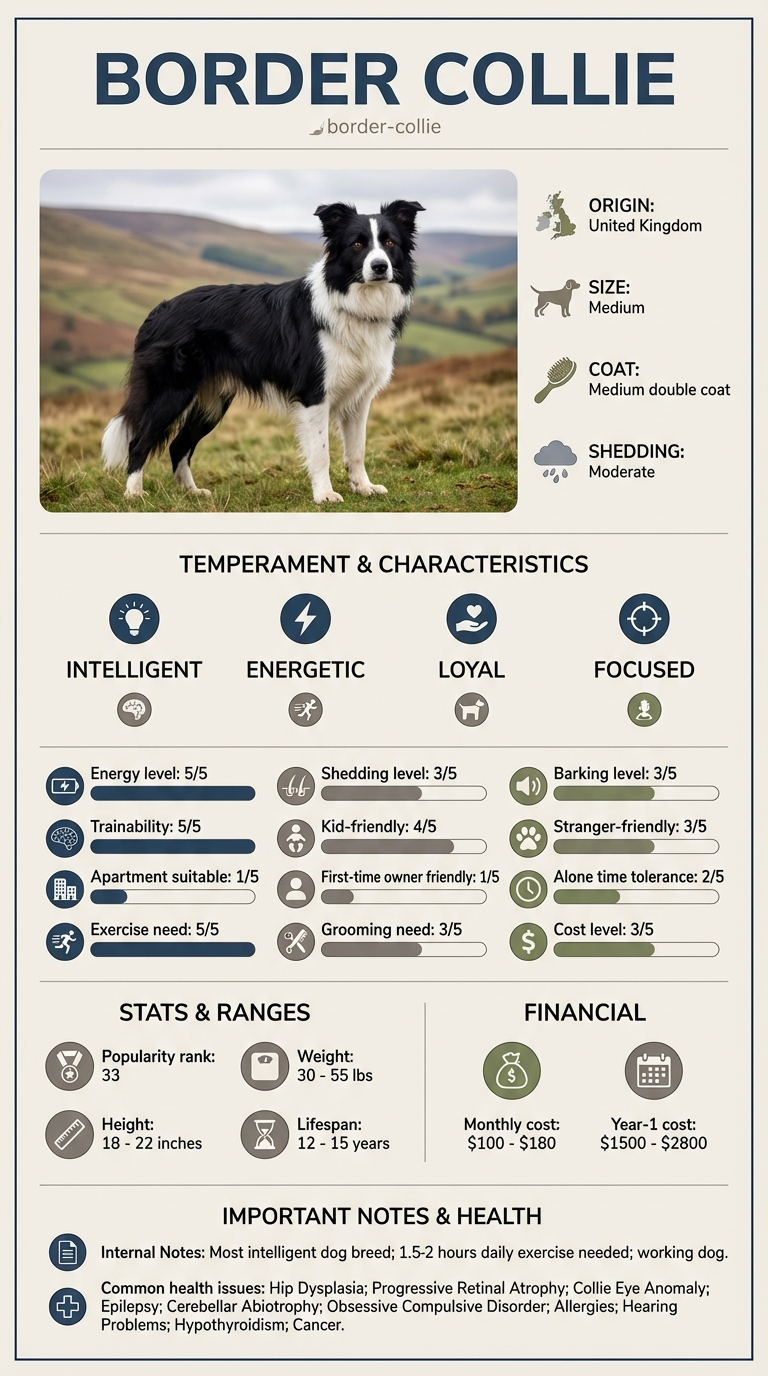
Owners of Border Collies, especially those who are first-time pet parents or those unaware of this genetic condition, may struggle with managing their dog's health. If you're in tune with your dog's needs but find yourself confused about symptoms or treatment options, this information is for you.
This guide is not medical advice. If your dog shows pain, sudden behavior change, or worsening symptoms, consult a licensed veterinarian.
Some links may be affiliate links. We may earn a commission at no extra cost to you. We only suggest products we believe are helpful for dog owners.
Border Collie von Willebrand's disease (vWD1) is a genetic bleeding disorder that can create daily challenges for both dogs and their owners. Affected dogs may experience excessive bleeding from minor injuries, nosebleeds, or prolonged bleeding after surgery. This condition can be particularly concerning because it often goes unnoticed until a bleeding episode occurs.
Von Willebrand's disease (vWD1) is relatively common among Border Collies, especially since it is hereditary. Approximately 1 in 10 Border Collies may be carriers of the gene responsible for this condition. Awareness and early diagnosis are vital to managing its effects.
Border Collies are prone to Von Willebrand's Disease (vWD1) due to genetics. This inherited bleeding disorder affects their ability to clot blood properly. If your Border Collie has a family history of this condition, their risk increases significantly.
Stress and trauma can exacerbate symptoms in dogs with vWD1. An environment that lacks stability or has frequent changes can lead to anxiety, which may worsen bleeding issues. Additionally, a lack of proper nutrition can impact their overall health and blood clotting ability.
If your Border Collie shows signs of anxiety or behavioral issues related to their condition, consider hiring a professional dog trainer. Look for someone experienced in working with anxious dogs, as they can provide tailored strategies to help your dog cope.
If you notice unusual bleeding, bruising, or other concerning symptoms, contact your vet immediately. Regular check-ups are essential for managing vWD1, and your vet can advise on treatments or medications to help your dog.
Managing von Willebrand's Disease (vWD1) in your Border Collie can take several weeks to months. Regular vet visits and monitoring will be crucial during this period.
Success means your Border Collie leads a happy, active life with minimized bleeding risks. You'll feel confident in managing their condition with a clear plan from your veterinarian.
Understanding what not to do is crucial in managing Border Collie von Willebrand's disease (vWD1). Here are some common mistakes owners make that can worsen the situation.
It's important to know when your Border Collie might need immediate veterinary attention regarding von Willebrand's disease (vWD1). Some signs indicate a serious situation, while others can be monitored at home with a plan. Recognizing these differences can make all the difference in your dog's health.
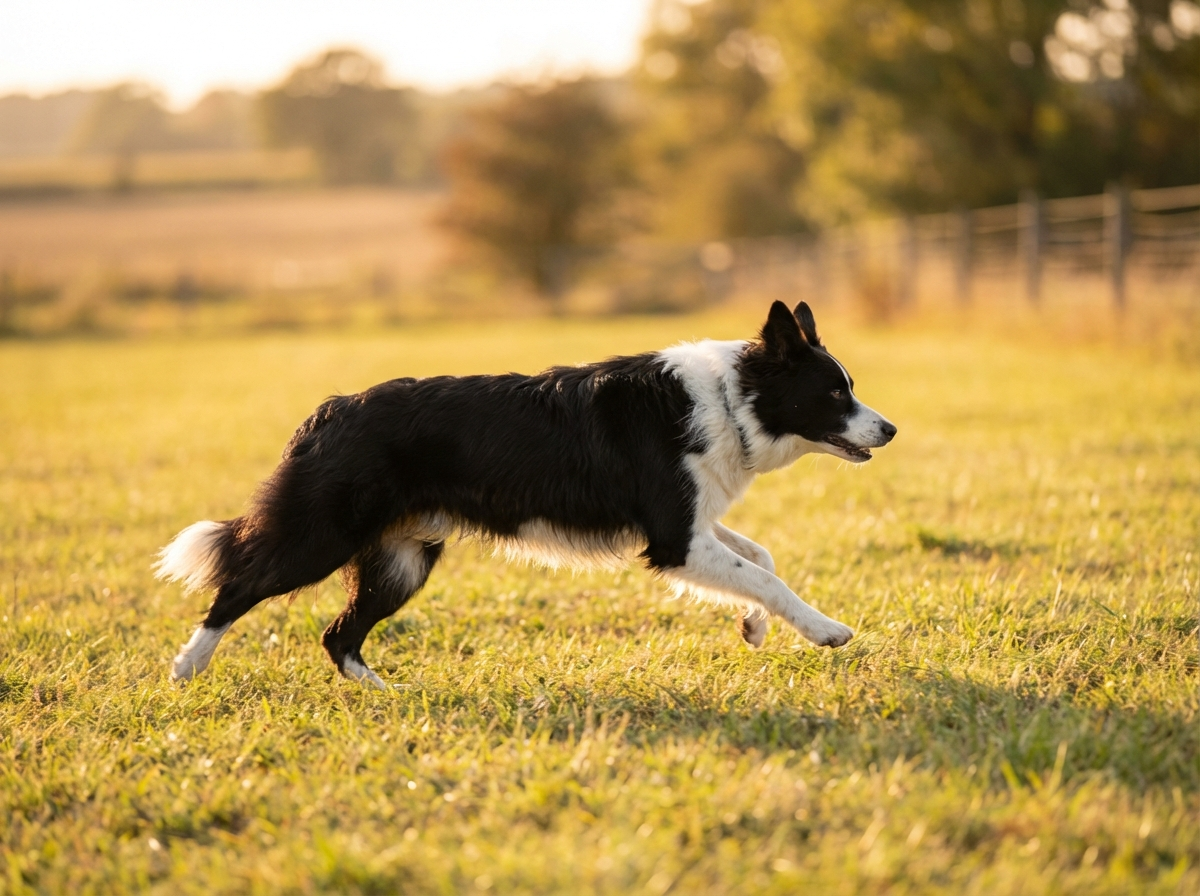
If you notice any of the following symptoms in your Border Collie, do not hesitate to contact your veterinarian immediately. These are serious signs that require urgent care.
While some symptoms may not require immediate action, it's still important to keep an eye on your dog's health. If your Border Collie shows mild signs, you can monitor them with a plan.
When Jake adopted Bella, his energetic Border Collie, he had no idea she had von Willebrand's Disease (vWD1). After noticing excessive bleeding from minor cuts, Jake took Bella to the vet, where they confirmed the diagnosis. With a tailored care plan that included regular check-ups and a focus on avoiding injuries, Jake learned to manage Bella's condition effectively. Over time, he became skilled at recognizing warning signs and ensuring Bella stayed safe during play.
Key takeaway: Understanding and managing vWD1 can transform your Border Collie's life. Regular vet visits and proactive care are essential for their well-being.
Border Collie von Willebrand's disease (vwd1) is a genetic bleeding disorder that affects the dog's ability to clot blood. It is inherited from their parents, so if your dog has this condition, it may have come from a parent with the same genetic trait. Regular screenings and genetic testing can help identify vwd1 in your dog.
Managing Border Collie von Willebrand's disease (vwd1) involves regular veterinary check-ups and possibly avoiding strenuous activities that could lead to injury. Your vet may also recommend a special diet or supplements to help maintain overall health. It's essential to keep your dog calm and stress-free to minimize bleeding risks.
Symptoms of von Willebrand's disease (vwd1) can include excessive bleeding from minor cuts, nosebleeds, or blood in urine or stool. Some dogs may also experience prolonged bleeding after surgery. If you notice any of these signs, contact your veterinarian immediately.
Yes, you can train your Border Collie, but be cautious with the intensity and type of training. Focus on gentle, positive reinforcement techniques to avoid putting stress on your dog. Keep training sessions short and monitor your dog for any signs of fatigue or discomfort.
Inform your vet about your Border Collie's von Willebrand's disease (vwd1) diagnosis and any symptoms you've observed. Share any family history of bleeding disorders, and follow their recommendations for treatment and management. Regular communication with your vet is crucial for your dog's well-being.
Yes, von Willebrand's disease (vWD1) can affect older Border Collies, though it's primarily a genetic condition. As your dog ages, you may notice more symptoms, like excessive bleeding or bruising, which require veterinary attention.
If your Border Collie experiences a bleeding episode, it's vital to contact your vet immediately. Keeping the dog calm and applying gentle pressure to the wound can help while waiting for professional care.
Training a Border Collie with von Willebrand's disease (vWD1) should focus on gentle, positive reinforcement methods. Avoid high-impact activities that could lead to injuries, and ensure your dog understands commands to halt play when needed.
To manage von Willebrand's disease (vWD1) during exercise, keep activities low-impact and avoid strenuous play. Regular, moderate walks and mental stimulation can help maintain their health without risking injury.
Early signs of von Willebrand's disease (vWD1) include excessive bleeding from minor cuts, prolonged bleeding after surgery, or unusual bruising. If you notice these symptoms, consult your vet for a proper diagnosis.
If your Border Collie bleeds, apply gentle pressure to the wound and keep them calm. Seek veterinary help immediately.
Treatment for Border Collie von Willebrand's disease (vwd1) may include medications to help with clotting and regular vet check-ups to monitor the condition.
Yes, most Border Collies with von Willebrand's disease (vwd1) can lead normal lives with proper management and care.
Regular vet visits are essential for a Border Collie with vwd1; aim for at least twice a year or as recommended by your veterinarian.