DogBreedCompass
← Back to breed profile

Border Collie Progressive Retinal Atrophy (PRA-RCD3): What You Need to Know

Border Collie progressive retinal atrophy (PRA-RCD3) is a serious genetic condition that leads to vision loss.

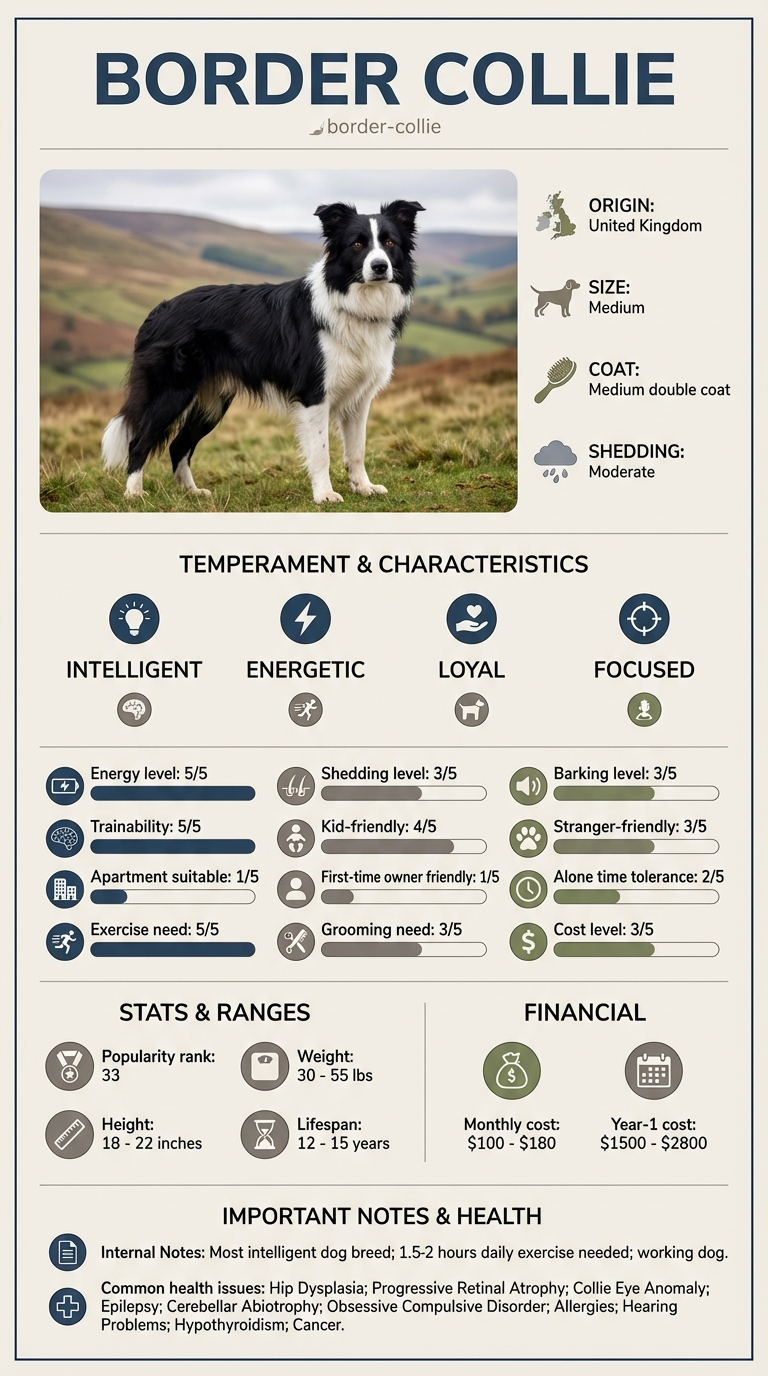
Border Collie Progressive Retinal Atrophy (PRA-RCD3): What You Need to Know infographic

Owners of Border Collies, especially those who are first-time pet parents, may find it challenging to navigate this health issue. Those living in busy households or apartments may struggle even more, as their dogs require specific attention and care.

Important reminder

This guide is not medical advice. If your dog shows pain, sudden behavior change, or worsening symptoms, consult a licensed veterinarian.

Some links may be affiliate links. We may earn a commission at no extra cost to you. We only suggest products we believe are helpful for dog owners.

What this problem looks like

Border Collie progressive retinal atrophy (pra-rcd3) is a genetic condition that leads to gradual vision loss. This often begins with night blindness and may progress to complete blindness over time. Daily life for affected dogs can become challenging, as they may struggle to navigate familiar spaces, leading to anxiety and confusion.

Common triggers

  • Genetic predisposition since pra-rcd3 is hereditary.
  • Lack of proper early diagnosis, which can delay necessary care.
  • Environmental changes, such as new furniture or unfamiliar surroundings.

This condition is particularly common in Border Collies, with estimates suggesting that around 10-15% of the breed may be affected. Awareness of this issue is crucial for potential owners, as it can significantly impact the quality of life for the dog and the owner.

Why this happens

Breed factors

Border Collies are prone to Progressive Retinal Atrophy (PRA-rcd3) due to genetic factors. This condition affects their vision over time, leading to gradual loss of sight. As a breed known for their intelligence and energy, any impairment in vision can significantly impact their behavior and quality of life.

Environment factors

Environmental factors play a lesser role in PRA-rcd3, but overall health and nutrition can influence a Border Collie's well-being. Poor diet, lack of exercise, or exposure to harmful substances may exacerbate existing issues. Additionally, the mental stimulation from a supportive environment is crucial for their emotional health.

What you can try

At-home strategies

  • Ensure your Border Collie gets a balanced diet rich in nutrients. This could help maintain overall health and support their vision as much as possible.
  • Create a safe space at home to minimize obstacles. Keep furniture in consistent places to help them navigate without bumping into things.
  • Engage in regular training sessions to reinforce commands and ensure your dog feels secure. Use consistent verbal cues and avoid sudden movements that might startle them.

When to consider a trainer

If you notice that your Border Collie is struggling significantly with navigation or showing signs of anxiety due to their vision loss, consider consulting a professional trainer. A trainer experienced with vision-impaired dogs can provide tailored strategies to help your dog adapt and feel more comfortable.

When to talk to your vet

If you suspect your Border Collie is developing PRA-rcd3 or if you have concerns about their vision, it's essential to talk to your vet. They can confirm the diagnosis and suggest potential treatments or lifestyle adjustments. Early intervention may help improve your dog's quality of life.

Realistic expectations

Managing Border Collie progressive retinal atrophy (pra-rcd3) can take several months to years. Early intervention and consistent training can slow down the progression of vision loss.

Success looks like your Border Collie adapting to their changing vision with minimal anxiety. They should be able to navigate their environment confidently, with the right support and training.

Mistakes that make this worse

Many owners unintentionally reinforce the challenges of Border Collie progressive retinal atrophy (PRA-rcd3) through common mistakes. Here are some behaviors to avoid, along with better alternatives.

  • Ignoring early signs of vision loss: Waiting too long to address symptoms can lead to more severe issues. Regular vet check-ups can help catch problems early.
  • Not adapting the environment: Leaving furniture in the same place can confuse a dog with diminishing vision. Rearranging their space and adding clear pathways can help them navigate safely.
  • Overprotecting your dog: While it’s natural to want to shield your dog from bumps, this can lead to anxiety. Instead, encourage them to explore in a safe environment, gradually increasing their confidence.
  • Neglecting mental stimulation: Dogs facing vision loss might miss visual cues during play. Engage them with scent-based games or interactive toys that stimulate their other senses.
  • Skipping training sessions: Some owners think training isn’t necessary once vision issues arise. However, consistent training can help reinforce commands and improve their comfort level.
  • Avoiding socialization: Keeping your dog isolated due to their vision loss can lead to behavioral issues. Set up controlled playdates with familiar dogs to maintain their social skills.
  • Using harsh corrections: Punishment can increase anxiety and worsen behavior. Focus on positive reinforcement, rewarding good behavior instead.

When Border Collie Progressive Retinal Atrophy (PRA-RCD3) is an Emergency

Knowing when Border Collie progressive retinal atrophy (PRA-rcd3) is an emergency can help ensure your furry friend gets the care they need promptly. If you notice signs of sudden vision loss, such as your dog bumping into furniture or struggling to navigate familiar spaces, it’s crucial to call your vet. Other red flags include excessive blinking, swollen eyes, or if your dog seems to be in pain or excessively anxious about their surroundings.

Mild cases of PRA-rcd3 may not require immediate intervention. If your Border Collie is showing subtle signs, like hesitance in low light or slight changes in behavior, monitor them closely. Keep a journal of any changes you observe, including how they navigate their environment. You can also discuss these observations with your vet to determine a suitable management plan. Regular vet check-ups will help track the progression of the condition, allowing for better long-term care.

Border Collie Progressive Retinal Atrophy (PRA-RCD3): What You Need to Know - When Border Collie Progressive Retinal Atrophy (PRA-RCD3) is an Emergency

Emily's Journey with Bella: Adjusting to PRA-RCD3

Emily, a busy veterinary technician in Seattle, noticed that her Border Collie, Bella, was struggling to find her favorite toys and often bumped into furniture. After a vet visit, she learned that Bella had progressive retinal atrophy (pra-rcd3). Determined to help her furry friend, Emily researched training methods and started using sound cues and tactile markers around the house. With patience and consistency, Bella gradually adapted, learning to navigate her surroundings effectively, even mastering commands that used auditory signals.

Key takeaway: With the right support and training, dogs with progressive retinal atrophy can lead fulfilling lives. Emphasizing adaptation and communication is key.
Frequently asked questions

Why does my Border Collie have progressive retinal atrophy (pra-rcd3)?

Border Collie progressive retinal atrophy (pra-rcd3) is a genetic condition that leads to gradual vision loss. It is caused by a mutation that affects the retinal cells. If you suspect your dog may have this condition, consulting with a vet is crucial for proper diagnosis.

How can I help my Border Collie cope with progressive retinal atrophy (pra-rcd3)?

Helping your dog adapt involves creating a stable environment. Use consistent commands and maintain a familiar layout in your home to minimize confusion. Training them with verbal cues can also improve their confidence.

What are the signs of progressive retinal atrophy (pra-rcd3) in Border Collies?

Common signs include difficulty navigating in low light, bumping into objects, and changes in behavior like increased clinginess. If you notice these symptoms, it's important to seek veterinary advice for a thorough assessment.

Can I train a Border Collie with progressive retinal atrophy (pra-rcd3)?

Yes, training is still possible! Focus on positive reinforcement using verbal commands and tactile cues. Start with basic commands and gradually introduce more complex tasks as your dog becomes comfortable.

Are there any treatments for Border Collie progressive retinal atrophy (pra-rcd3)?

Currently, there is no cure for progressive retinal atrophy (pra-rcd3). However, supportive care can help your dog adjust. Regular vet visits are recommended to monitor their condition.

What are the early signs of Border Collie progressive retinal atrophy (pra-rcd3)?

Early signs of Border Collie progressive retinal atrophy (pra-rcd3) may include difficulty seeing in dim light and a reluctance to navigate new environments. You might notice your dog bumping into furniture or hesitating to jump or climb stairs. If you observe these behaviors, consult your vet for a thorough evaluation.

Can older Border Collies develop progressive retinal atrophy (pra-rcd3)?

Yes, older Border Collies can develop progressive retinal atrophy (pra-rcd3), although the condition is often inherited and diagnosed in younger dogs. Regular vet check-ups are essential for older dogs to catch any potential issues early. If you notice changes in their vision, seek veterinary advice promptly.

What should I do if my Border Collie is diagnosed with progressive retinal atrophy (pra-rcd3)?

If your Border Collie is diagnosed with progressive retinal atrophy (pra-rcd3), focus on creating a safe environment for them. Keep furniture in familiar places and avoid moving things around. Consider working with a dog trainer experienced with vision-impaired dogs to help them adjust and thrive.

How does Border Collie progressive retinal atrophy (pra-rcd3) affect their behavior?

Border Collie progressive retinal atrophy (pra-rcd3) can lead to increased anxiety and confusion due to vision loss. Your dog may become more dependent on you and less confident in unfamiliar situations. Patience and reassurance during this transition can help them adapt better to their changing vision.

Are there any treatments for Border Collie progressive retinal atrophy (pra-rcd3)?

Currently, there is no cure for Border Collie progressive retinal atrophy (pra-rcd3). However, certain management strategies can help, such as using harnesses for better control and keeping your home safe and predictable. Regular vet visits are crucial to monitor the condition and provide support.

Quick answers

View more answers
Behavior

What are quick tips for managing Border Collie progressive retinal atrophy (pra-rcd3)?

Create a safe, obstacle-free space for your dog, and use consistent verbal commands to guide them. Regular vet check-ups are essential to monitor their vision health.

Costs

How much does it cost to manage Border Collie progressive retinal atrophy (pra-rcd3)?

Expect to spend around $100 to $180 monthly on general care, including vet visits and potential treatments. Initial costs in the first year could range from $1,500 to $2,800.

Behavior

Can progressive retinal atrophy (pra-rcd3) affect my Border Collie's behavior?

Yes, vision loss can lead to anxiety and confusion, impacting your dog's behavior. Providing a stable environment and consistent training can help ease these issues.

Related DogBreedCompass guides

Related guides