Behavior
What are quick tips for Border Collie pregnancy complications?
Ensure a nutritious diet and regular vet visits for your pregnant Border Collie. Keep her stress levels low and create a comfortable space for her to rest.

Quick answer
What are quick tips for Border Collie pregnancy complications?
Ensure a nutritious diet and regular vet visits for your pregnant Border Collie. Keep her stress levels low and create a comfortable space for her to rest.
Border Collie pregnancy complications can pose serious risks to both the mother and her puppies. Understanding these issues is crucial for responsible dog owners.
Owners of Border Collies may face these complications, especially if they are inexperienced or unprepared. First-time breeders or those lacking knowledge about canine pregnancy might find this situation particularly overwhelming.
This guide is not medical advice. If your dog shows pain, sudden behavior change, or worsening symptoms, consult a licensed veterinarian.
Some links may be affiliate links. We may earn a commission at no extra cost to you. We only suggest products we believe are helpful for dog owners.
We research and check what we publish, but we do not warrant that any figure, date, price, or statement is accurate, complete, or current, and we accept no liability for any loss, cost, injury, or other harm arising from the use of this site. Use it as one reference among several. You remain responsible for your own decisions and for your dog's care - confirm anything that matters with a licensed veterinarian or another qualified professional before you act on it. Full disclaimer.
Check this first
Recognizing when Border Collie pregnancy complications become an emergency is crucial for ensuring the health of both the mother and her puppies. If you notice any of the following red-flag signs, contact your veterinarian immediately. These include excessive bleeding, signs of severe pain, or if the mother is not eating or drinking for more than 24 hours. Additionally, if she is straining to give birth for more than two hours without producing a puppy, this is a critical situation that requires urgent attention.
On the other hand, some mild cases can be monitored at home. If your Border Collie is experiencing slight digestive upset or mild discomfort, you can keep an eye on her while ensuring she stays hydrated. It’s essential to create a calm environment and allow her to rest. If these symptoms persist or worsen, don’t hesitate to reach out to your vet. Keeping a close watch on her behavior will help you determine if a trip to the vet is necessary.
If any of these apply, call your vet or an emergency clinic now. The rest of this page is for the cases that are not an emergency.
Border Collie pregnancy complications can be a serious issue for expecting mothers. These complications may manifest as difficulty during labor, infections, or issues with the puppies' health. Daily, this can look like increased anxiety in the mother, lethargy, or unusual behavior changes that can worry pet owners.
Pregnancy complications in Border Collies are not uncommon, with studies showing they can face up to a 419% higher risk compared to other breeds. Many owners report challenges during their dog's pregnancy, making awareness and preparation essential.
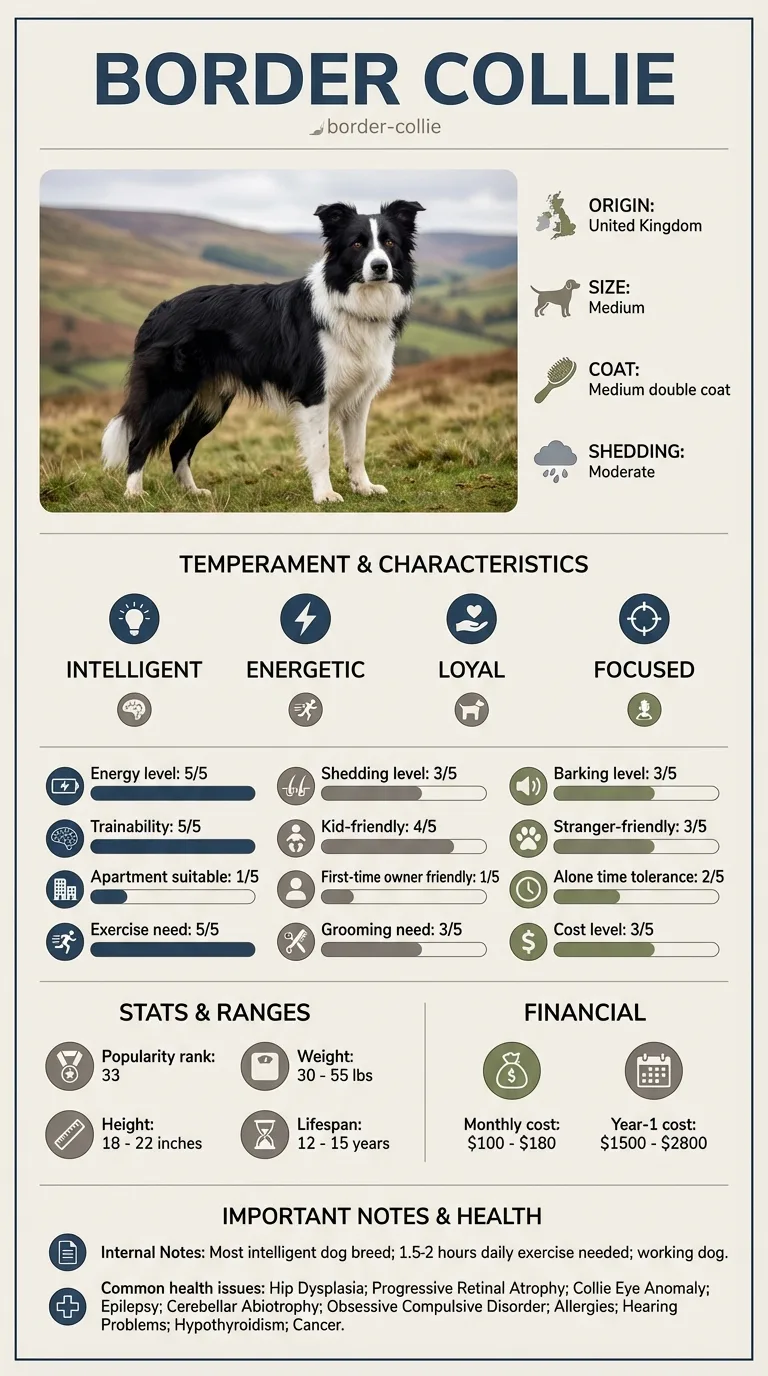
Border Collies are known for their high energy and intelligence. Their strong herding instincts can sometimes lead to stress during pregnancy. This breed may also be prone to certain health issues, which can complicate a pregnancy.
Stressful environments can cause pregnancy complications in Border Collies. Factors such as loud noises, lack of a comfortable space, or insufficient exercise can increase anxiety. Additionally, poor nutrition or inadequate veterinary care can also contribute to these complications.
If you notice any unusual symptoms, such as excessive vomiting, lethargy, or signs of distress, contact your vet immediately. Regular check-ups are vital to monitor her health and address any complications early.
Avoiding common pitfalls can help manage Border Collie pregnancy complications effectively. Here are some mistakes to watch out for.
Start here: Border Collie Most Common Genetic Disorders: Screening
See all Border Collie health problems, which breeds are prone to pregnancy complications, or the full Border Collie breed guide for temperament, exercise needs and ownership costs.
Resolving Border Collie pregnancy complications can take several weeks to a few months. Consistent care and monitoring are crucial during this period.
Success is seen when the pregnancy progresses without major issues, and both the mother and puppies are healthy. Regular vet check-ups and positive behavioral changes in the mother are good indicators.
Sarah, a dedicated dog owner from Texas, noticed her Border Collie, Bella, struggling during her pregnancy. Bella was experiencing complications that left Sarah worried and unsure of how to help. After consulting a vet, Sarah learned how to manage Bella's symptoms and ensure she received the right nutrition and care. Over the next few weeks, Sarah worked closely with the vet, adjusting Bella's diet and incorporating gentle exercise. Gradually, Bella's condition improved, and she gave birth to healthy puppies. Sarah felt immense relief and happiness when she saw Bella thriving.
Key takeaway: With the right support and guidance, managing Border Collie pregnancy complications is possible. Regular vet check-ups and attentive care make a significant difference.
Pregnancy complications in Border Collies can be caused by underlying health issues or stress during pregnancy. Factors such as age, weight, and prior health conditions may contribute. A vet can provide insights specific to your dog's situation.
To prevent complications, ensure your Border Collie has a balanced diet and receives regular veterinary care. Monitoring her health during pregnancy and providing a stress-free environment can also help. It's important to consult with your vet about any concerns.
Watch for symptoms like excessive vomiting, lethargy, or unusual discharge. If your dog shows signs of distress or any drastic changes in behavior, contact your vet immediately. Early intervention can be crucial.
You should take your Border Collie to the vet for regular check-ups every few weeks during her pregnancy. If you notice any concerning symptoms or if she’s nearing her due date, don’t hesitate to seek veterinary advice sooner.
Providing a calm and comfortable environment can help your Border Collie during a complicated pregnancy. Regular vet check-ups, a balanced diet, and gentle exercise are also crucial in supporting her health.
Yes, older Border Collies may face a higher risk of pregnancy complications. Their bodies may not handle the stresses of pregnancy as well as younger dogs, so it's essential to monitor them closely and consult a vet for tailored advice.
If your Border Collie shows signs of distress, such as panting heavily or pacing, contact your vet immediately. They can evaluate her condition and determine if any interventions are necessary.
Gentle training techniques can be helpful for a pregnant Border Collie. Focus on positive reinforcement and short training sessions to keep her engaged without causing stress. Avoid strenuous activities that could exacerbate any pregnancy complications.
Ensure a nutritious diet and regular vet visits for your pregnant Border Collie. Keep her stress levels low and create a comfortable space for her to rest.
Check on your pregnant Border Collie daily for any changes in behavior or health. Regular vet check-ups are also essential during her pregnancy.
Provide high-quality, balanced dog food tailored for pregnant dogs. Consult your vet for specific dietary recommendations as her pregnancy progresses.
Moderate exercise is beneficial, but avoid strenuous activities. Short walks and gentle playtime can help keep her healthy without overexertion.
Signs like excessive bleeding, severe vomiting, or lethargy are red flags. If you notice these, take your Border Collie to the vet right away.
A one-page prep sheet for this condition: the signs, the questions to ask, what to get priced. Unlocks here.
You get: Vet visit prep sheet
No spam. One-click unsubscribe. See our privacy policy.
Preview page 1 before you decide.