DogBreedCompass
← Back to breed profile

Border Collie Brachycephalic Airway Syndrome (BOAS)

Border Collie brachycephalic airway syndrome (BOAS) is a serious condition that affects your dog's breathing, especially in hot weather.

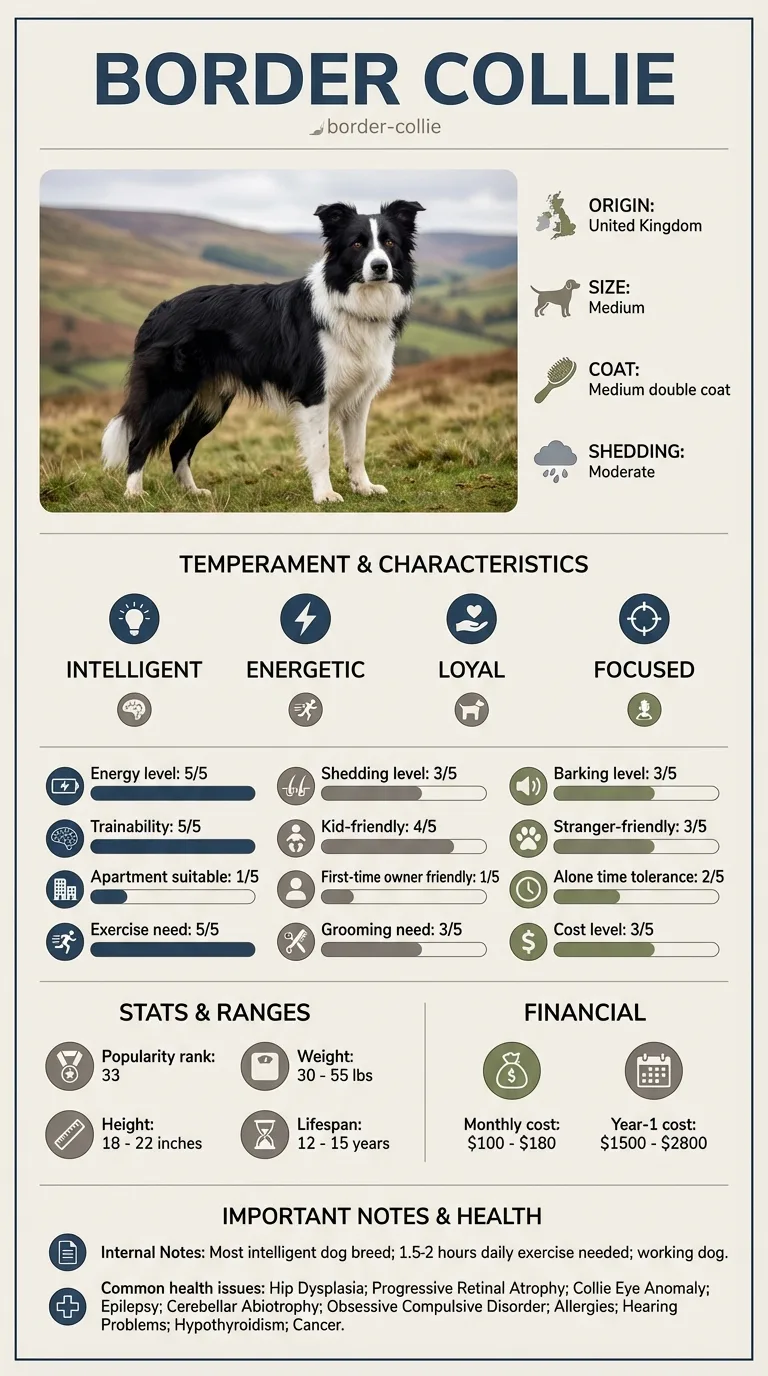
Border Collie Brachycephalic Airway Syndrome (BOAS) infographic

Typically, owners of Border Collies may struggle with BOAS, particularly those living in warmer climates or who engage in rigorous exercise with their dogs. Many first-time dog owners might not recognize the symptoms or the importance of proper management.

Important reminder

This guide is not medical advice. If your dog shows pain, sudden behavior change, or worsening symptoms, consult a licensed veterinarian.

Some links may be affiliate links. We may earn a commission at no extra cost to you. We only suggest products we believe are helpful for dog owners.

What this problem looks like

Border Collie brachycephalic airway syndrome (boas) is a serious health issue that affects their breathing. This condition can make everyday activities like playing and exercising challenging for your dog. As a result, you may notice your Border Collie panting excessively, struggling to catch their breath, or showing signs of distress during hot weather.

Common triggers

  • Excessive heat or humidity
  • High levels of physical activity
  • Obesity, which can worsen breathing issues
  • Stressful situations or loud noises

Brachycephalic airway syndrome (boas) is somewhat common in Border Collies, particularly those with certain physical traits. While they aren't as prone to this syndrome as some breeds like Bulldogs or Pugs, it's still essential for owners to be aware of the signs and take preventive measures.

Why this happens

Breed factors

Border Collies are not typically brachycephalic; however, if a Border Collie has been bred with a brachycephalic breed, they may exhibit symptoms of Brachycephalic Airway Syndrome (BOAS). This condition arises due to physical characteristics such as a shorter snout, which can restrict airflow. It's essential to understand that not all Border Collies will have this issue, but those with a mixed lineage might be more prone to it.

Environment factors

Environmental factors can also contribute to BOAS. For example, living in a hot climate can exacerbate breathing difficulties. Additionally, excessive exercise without breaks can lead to breathing problems, especially if the dog is not acclimated to the heat or humidity.

What you can try

At-home strategies

  • Monitor your Border Collie's breathing during exercise. If they seem to struggle, take breaks in the shade or indoors.
  • Keep your home cool, especially during hot weather. Use fans or air conditioning to help your dog stay comfortable.
  • Limit vigorous activities on hot days, opting for shorter, cooler walks instead.

When to consider a trainer

If your Border Collie shows persistent signs of anxiety or excessive panting during regular activities, consider consulting a professional trainer. They can help develop a tailored training plan to manage your dog's behavior effectively.

When to talk to your vet

If your dog exhibits severe breathing difficulties, frequent coughing, or lethargy, it's time to consult a vet. They can provide a thorough examination and recommend appropriate treatment for BOAS, ensuring your dog’s health and comfort.

Realistic expectations

With consistent training and the right care, you can see improvements in your Border Collie's breathing within 6 to 12 weeks.

Success means your Border Collie can engage in daily activities without excessive panting or signs of distress, especially during warmer weather.

Mistakes that make this worse

Avoiding these common mistakes can help improve your Border Collie's condition and overall well-being. Here's what to watch out for.

  • Overexerting your dog during exercise: Pushing your Border Collie too hard can worsen breathing issues. Opt for shorter, more frequent play sessions instead.
  • Ignoring heat sensitivity: Many Border Collies with BOAS struggle in hot weather. Always provide plenty of water and shade, and limit outdoor time on hot days.
  • Neglecting regular vet check-ups: Skipping vet visits can delay necessary treatments. Schedule regular check-ups to monitor your dog’s condition.
  • Using harsh training methods: Stress can exacerbate anxiety and breathing problems. Use positive reinforcement to train your Border Collie instead.
  • Allowing obesity: Excess weight can worsen breathing issues. Maintain a healthy diet and exercise routine to keep your dog fit.
  • Failing to recognize signs of distress: Overlooking signs of breathing difficulty can be dangerous. Stay alert for wheezing or excessive panting and consult your vet if noticed.

When Border Collie Brachycephalic Airway Syndrome (BOAS) is an Emergency

Mild cases, on the other hand, can often be monitored at home. If your dog occasionally has labored breathing, especially when excited, or during warm weather, consider keeping a close eye on them. You might also implement a plan that includes avoiding exercise in extreme heat and managing their weight, which can alleviate some symptoms.

Border Collie Brachycephalic Airway Syndrome (BOAS) - When Border Collie Brachycephalic Airway Syndrome (BOAS) is an Emergency

A Busy Nurse's Journey with Her Border Collie, Max

Emily, a busy nurse in Atlanta, adopted Max, a lively Border Collie. She noticed he struggled with breathing, especially during their outdoor runs. After researching Border Collie brachycephalic airway syndrome (boas), she consulted her vet and started a training plan focused on controlled exercise and stress management. With time, Max adapted well to his new routine and Emily learned to recognize his limits, ensuring they both enjoyed their walks together without health concerns.

Key takeaway: With patience and proper management, you can significantly improve your Border Collie's quality of life while addressing brachycephalic airway syndrome (boas).

Frequently asked questions

Why does my Border Collie have brachycephalic airway syndrome (boas)?

Brachycephalic airway syndrome (boas) is caused by structural abnormalities in a dog's throat and nose. While it is more common in breeds with shorter snouts, some Border Collies can also develop this condition due to genetic predispositions. If your Border Collie shows signs of breathing difficulties, consult your veterinarian for a proper diagnosis.

How can I identify if my Border Collie has boas?

Signs of brachycephalic airway syndrome include loud breathing, snoring, and excessive panting, especially during exercise or in heat. If your Border Collie struggles to breathe or has a blue-tinged tongue, it's crucial to seek veterinary care immediately. Monitoring their behavior during physical activity can help identify any issues.

What are the treatment options for Border Collie brachycephalic airway syndrome (boas)?

Treatment for boas may involve lifestyle changes, such as avoiding excessive heat and strenuous exercise. In more severe cases, surgery to correct structural issues may be necessary. Always consult your veterinarian to discuss the best course of action for your dog's specific needs.

How to stop Border Collie brachycephalic airway syndrome (boas) symptoms?

To minimize symptoms, ensure your Border Collie maintains a healthy weight and avoids strenuous activities in hot weather. Regular vet check-ups can help monitor their condition. Training methods that encourage calm behavior may also help reduce stress-related breathing issues.

Can training help with Border Collie brachycephalic airway syndrome (boas)?

Yes, training can help improve your Border Collie's behavior and manage their anxiety, which may alleviate some symptoms of boas. Focus on positive reinforcement techniques to encourage calm behavior. Engaging in low-impact activities can also help keep your dog fit while minimizing respiratory stress.

Can older Border Collies develop brachycephalic airway syndrome (boas)?

Yes, older Border Collies can develop brachycephalic airway syndrome (boas) due to age-related changes in their respiratory system. If your senior dog shows signs of difficulty breathing, it's essential to consult your vet for an evaluation.

What are the signs that my Border Collie may have brachycephalic airway syndrome (boas)?

Common signs of brachycephalic airway syndrome (boas) in Border Collies include noisy breathing, excessive panting, and difficulty exercising. If you notice these symptoms, it's a good idea to get a professional assessment.

How can I help my Border Collie with brachycephalic airway syndrome (boas) during hot weather?

To help your Border Collie with brachycephalic airway syndrome (boas) during hot weather, keep them indoors in a cool environment and avoid strenuous exercise. Hydration is key, so ensure they have access to fresh water at all times.

Is surgery a viable option for brachycephalic airway syndrome (boas) in Border Collies?

Surgery can be a viable option for severe cases of brachycephalic airway syndrome (boas) in Border Collies. A veterinarian can assess your dog's condition and recommend whether surgical intervention is necessary.

What preventative measures can I take to reduce the risk of brachycephalic airway syndrome (boas) in my Border Collie?

To reduce the risk of brachycephalic airway syndrome (boas), ensure your Border Collie maintains a healthy weight and receives regular exercise. Avoid exposing them to extreme heat and consult with a vet for ongoing health assessments.

Quick answers

View more answers
Behavior

What are some quick tips for managing Border Collie brachycephalic airway syndrome (boas)?

Keep your Border Collie cool and avoid strenuous exercise in hot weather. Monitor their weight closely, as obesity can exacerbate breathing issues. Regular vet visits are essential for managing their health.

Living

How can I tell if my Border Collie is too hot?

Signs of overheating include excessive panting, drooling, and lethargy. If your dog shows these symptoms, move them to a cooler area and provide water immediately.

Costs

What are the costs associated with treating boas in Border Collies?

Treatment costs can vary widely but may range from routine vet visits to several thousand dollars if surgery is necessary. Budgeting for regular check-ups is important to manage their health.

Related DogBreedCompass guides

Related guides