Behavior
What are quick tips for Border Collie anesthesia sensitivity?
Ensure your vet tailors anesthesia plans based on your dog's history. Consider pre-anesthetic blood tests to identify sensitivities.

Quick answer
What are quick tips for Border Collie anesthesia sensitivity?
Ensure your vet tailors anesthesia plans based on your dog's history. Consider pre-anesthetic blood tests to identify sensitivities.
Border Collie anesthesia sensitivity can be a serious issue for this intelligent breed. Understanding it is crucial for your dog's health and safety.
Many Border Collie owners, especially those with dogs needing regular veterinary care, face this challenge. First-time dog owners may struggle even more, as they might not be aware of this risk until it becomes a serious concern.
This guide is not medical advice. If your dog shows pain, sudden behavior change, or worsening symptoms, consult a licensed veterinarian.
Some links may be affiliate links. We may earn a commission at no extra cost to you. We only suggest products we believe are helpful for dog owners.
We research and check what we publish, but we do not warrant that any figure, date, price, or statement is accurate, complete, or current, and we accept no liability for any loss, cost, injury, or other harm arising from the use of this site. Use it as one reference among several. You remain responsible for your own decisions and for your dog's care - confirm anything that matters with a licensed veterinarian or another qualified professional before you act on it. Full disclaimer.
Check this first
Understanding when Border Collie anesthesia sensitivity becomes an emergency is crucial for your dog's health. Some signs are clear indicators that you should call your vet immediately, while others may allow you to wait and monitor at home.
Emergency signs include severe reactions like difficulty breathing, excessive vomiting, or extreme lethargy immediately after anesthesia. If your Border Collie shows any signs of disorientation, seizures, or an unusually rapid heart rate, do not hesitate to contact your vet.
On the other hand, mild cases can often be monitored. If your dog seems a little groggy or slightly unsteady after anesthesia but is still responsive, watch them closely for a few hours. Ensure they have a quiet, comfortable space to rest and keep an eye out for any worsening symptoms. If they seem to stabilize, you can wait to see how they progress before seeking further help.
If any of these apply, call your vet or an emergency clinic now. The rest of this page is for the cases that are not an emergency.
Border Collie anesthesia sensitivity can be a serious concern for owners. This sensitivity means that their reactions to anesthetic drugs can be unpredictable and sometimes harmful. Day-to-day, a Border Collie showing signs of anesthesia sensitivity may experience heightened anxiety during vet visits, resulting in stress for both the dog and the owner.
Anesthesia sensitivity in Border Collies is relatively common, particularly among those with a history of health issues or previous surgeries. While not every Border Collie will experience this problem, awareness is crucial for responsible ownership.
Border Collies are highly intelligent and active dogs. Their sensitivity to anesthesia can stem from genetic factors that affect their metabolism of drugs. Additionally, their strong drive and energy levels may influence how they react to anesthesia, making them more prone to complications.
Environmental factors can also play a role in anesthesia sensitivity. Stress during vet visits or unfamiliar surroundings can heighten anxiety, impacting how a Border Collie responds to anesthesia. Additionally, any pre-existing health issues can complicate their reactions to sedation.
Talk to your vet if you notice unusual reactions to anesthesia or if your dog has a medical history that raises concerns. It's essential to discuss any prior experiences with anesthesia to ensure proper care.
It's easy to accidentally reinforce anesthesia sensitivity in your Border Collie. Here are some common mistakes and safer alternatives you can adopt.
Start here: Border Collie Most Common Genetic Disorders: Screening
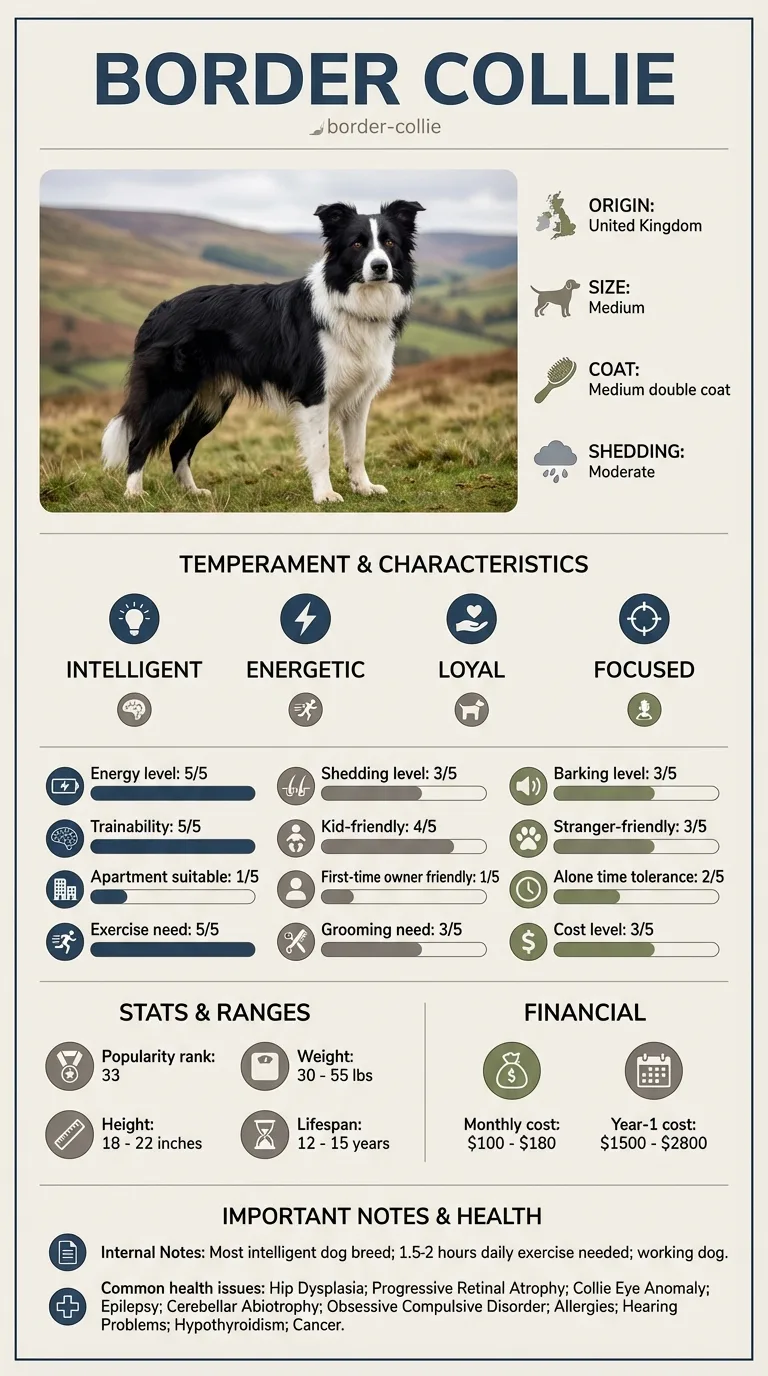
See all Border Collie health problems, which breeds are prone to anesthesia sensitivity, or the full Border Collie breed guide for temperament, exercise needs and ownership costs.
You can expect to see improvements in your Border Collie's anesthesia sensitivity within a few weeks to several months, depending on your consistency with care under your vet's plan and veterinary guidance.
Success means your Border Collie can undergo necessary procedures with reduced anxiety. This includes decreased sensitivity to anesthesia and a smoother recovery process.
Lila, a busy veterinarian in Seattle, noticed her Border Collie, Max, struggled with anxiety during vet visits. After a particularly stressful experience with anesthesia, Lila decided to address this issue. She worked closely with her vet to develop a training plan, incorporating desensitization techniques and positive reinforcement. Over several months, Lila gradually exposed Max to the sights and sounds of the clinic while rewarding calm behavior. When it was time for Max's next procedure, Lila felt confident as he handled the experience much better than before.
Key takeaway: With the right training and support, you can help your Border Collie manage anesthesia sensitivity and make vet visits less stressful for both of you.
Border Collie anesthesia sensitivity can occur due to genetic predispositions or individual health conditions. It's important to discuss your dog's medical history with your vet before any procedure requiring anesthesia. Regular check-ups can also help identify potential issues.
To address Border Collie anesthesia sensitivity, consult your vet about safer anesthesia options and pre-anesthetic testing. Gradual desensitization techniques may help, such as exposing your dog to calm environments and gentle handling during vet visits.
Symptoms of anesthesia sensitivity in Border Collies may include prolonged drowsiness, unusual behavior after waking, or difficulty with coordination. If you notice any of these signs, contact your vet immediately for guidance.
Training methods for Border Collie anesthesia sensitivity can include positive reinforcement for calm behavior during vet visits. Gradually acclimating your dog to the clinic environment can also reduce anxiety and build trust.
Before your Border Collie's surgery, ensure that your vet is aware of any past anesthesia reactions. Ask about pre-operative tests that can identify sensitivities and discuss alternative anesthesia options that might be safer for your dog.
While anesthesia sensitivity can occur in any breed, some individual Border Collies may be more prone due to their unique health backgrounds. Regular veterinary care can help manage and identify any risks.
If your Border Collie has a bad reaction to anesthesia, contact your vet immediately. They can assess the situation and may recommend supportive care or alternative anesthetic options. Always provide your vet with detailed information about your dog's previous reactions.
Yes, anesthesia sensitivity can be hereditary in Border Collies. If you have a family history of anesthesia reactions, it's important to inform your veterinarian. They may take extra precautions during procedures.
To prepare your Border Collie for anesthesia, ensure they are healthy and up-to-date on vaccinations. Discuss any previous anesthesia experiences with your vet and follow their pre-surgery instructions closely. Providing a calm environment can also help reduce anxiety.
Anesthesia sensitivity can increase with age in Border Collies. Older dogs often have underlying health issues that may complicate anesthesia. Always consult your veterinarian for tailored advice if your dog is older or has health concerns.
Ensure your vet tailors anesthesia plans based on your dog's history. Consider pre-anesthetic blood tests to identify sensitivities.
Familiarize your dog with the vet's office by visiting regularly for non-medical reasons. Reward calm behavior with treats.
Use calming aids or consult your vet about anxiety-reducing medications to help your Border Collie feel more comfortable.
Yes, costs may include pre-anesthetic testing and potential additional vet consultations. Expect to budget an extra $100 to $300 for these services.
A one-page prep sheet for this condition: the signs, the questions to ask, what to get priced. Unlocks here.
You get: Vet visit prep sheet
No spam. One-click unsubscribe. See our privacy policy.
Preview page 1 before you decide.