Behavior
What are Border Collie allergic reactions quick tips?
Keep your Border Collie away from known allergens, and consider hypoallergenic foods. Regular grooming can also help reduce skin irritations.
Border Collie allergic reactions can cause discomfort and stress for both you and your dog. Understanding these reactions is essential for their well-being.
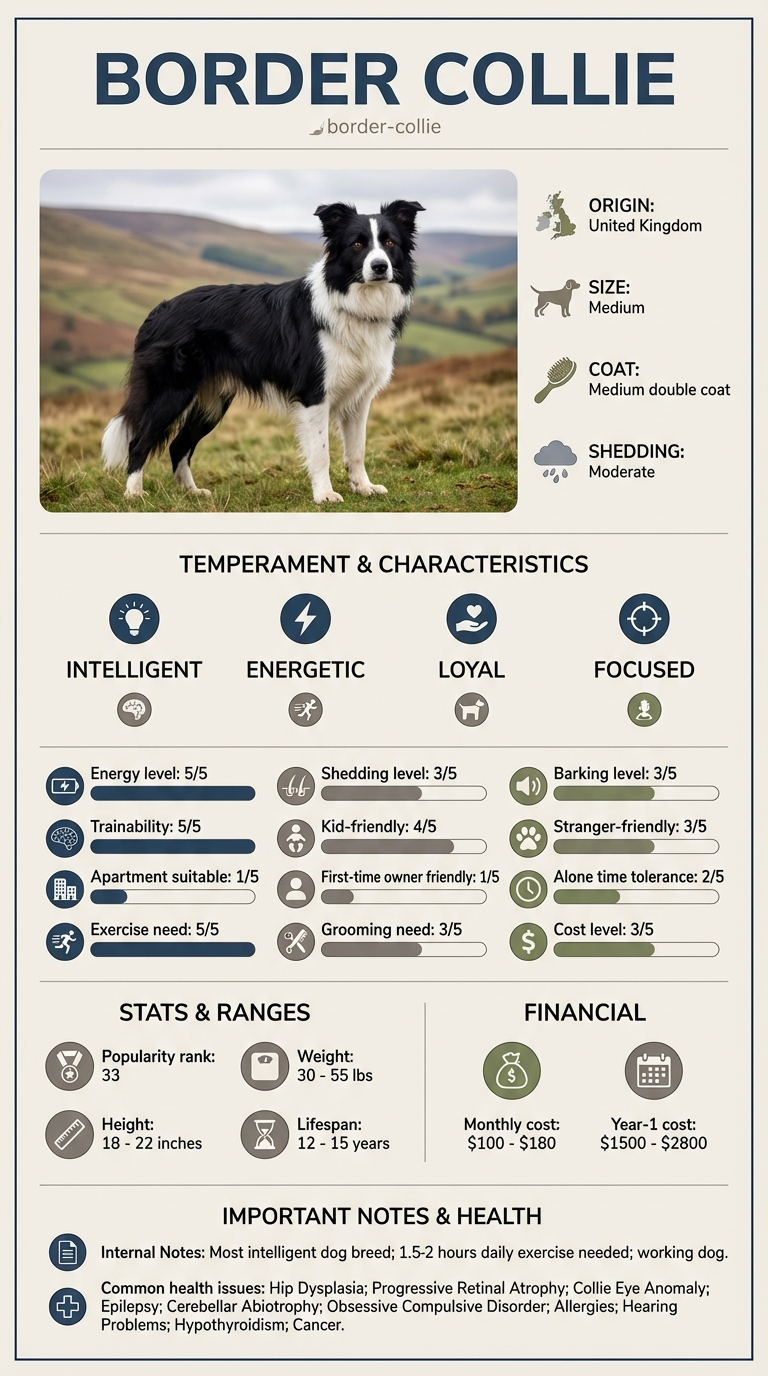
Typical owners facing this issue often include active families who love the outdoors, as well as individuals who want a loyal companion. If you're a first-time dog owner or live in an area with high allergens, you might find managing these allergic reactions particularly challenging.
This guide is not medical advice. If your dog shows pain, sudden behavior change, or worsening symptoms, consult a licensed veterinarian.
Some links may be affiliate links. We may earn a commission at no extra cost to you. We only suggest products we believe are helpful for dog owners.
Border Collie allergic reactions can be frustrating for both the dog and its owner. These reactions may manifest as itchy skin, watery eyes, or digestive issues, making everyday life uncomfortable. Common triggers include environmental allergens, certain foods, and even flea bites, causing distress and confusion.
Allergic reactions are quite common in Border Collies, with studies showing they are at a 276% higher risk compared to some other breeds. Many owners report dealing with allergies at some point in their dog's life, often leading to ongoing management strategies.
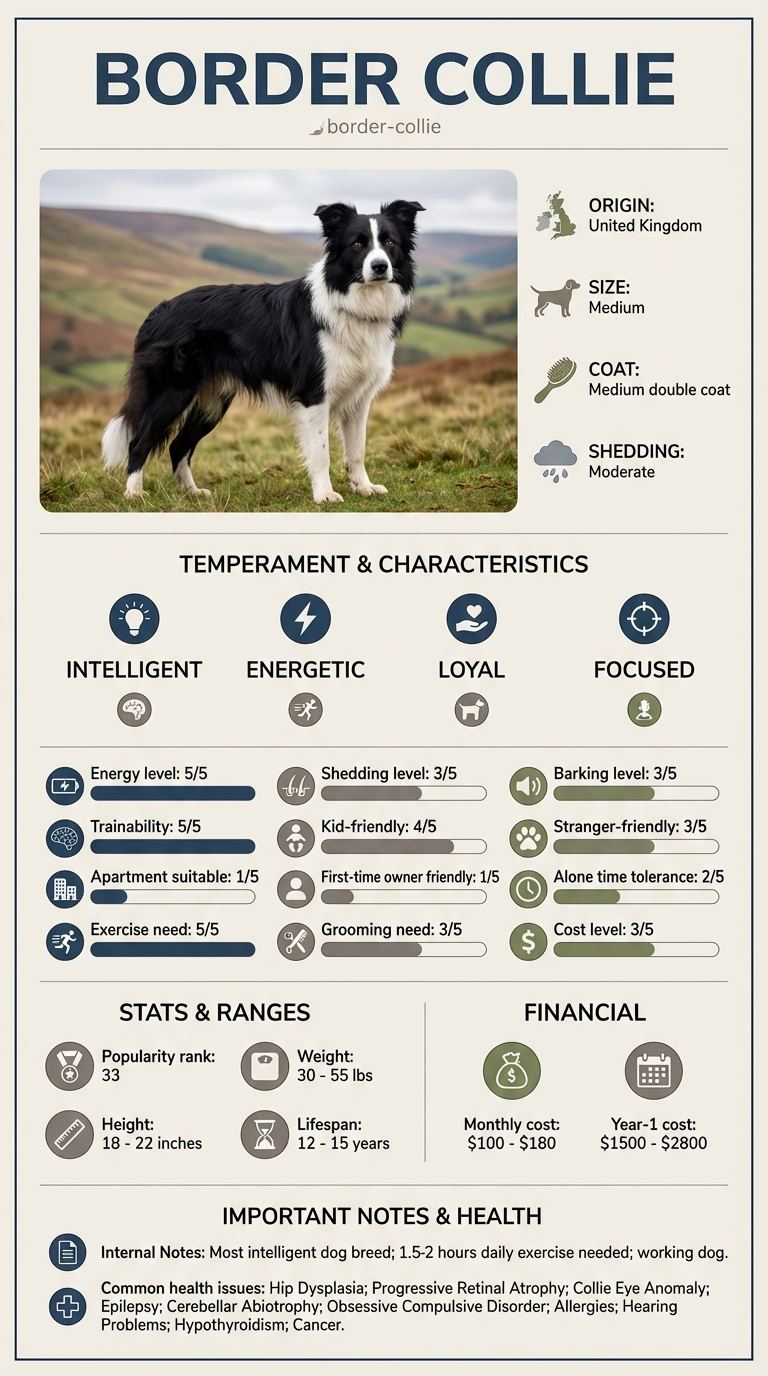
Border Collies are known for their sensitivity, which can make them more prone to allergic reactions. Their medium double coat can trap allergens, and their energetic nature means they often come into contact with various environmental triggers. Additionally, certain genetic factors may increase their likelihood of developing allergies.
Allergic reactions in Border Collies can be triggered by environmental factors such as pollen, dust mites, or mold. They may also react to certain foods or chemicals in their surroundings. Changes in their environment, like moving to a new home or seasonal shifts, can exacerbate these reactions.
If your Border Collie's allergic reactions lead to behavioral changes, such as increased anxiety or aggression, consider consulting a professional trainer. A trainer can provide strategies to manage these behaviors and improve your dog's overall well-being.
If your dog shows persistent signs of allergic reactions, such as itching, swelling, or gastrointestinal issues, consult your vet. They can help determine the root cause and suggest appropriate treatments, including allergy testing or medication.
Addressing Border Collie allergic reactions can take several weeks to months. With consistent management, you should see improvement in your dog's comfort and behavior within 4 to 8 weeks.
Success means your Border Collie experiences fewer allergic reactions, reduced itching, and a more comfortable life. Regular vet check-ups and adjustments to their environment will help maintain this progress.
Avoiding these common mistakes can help manage your Border Collie's allergic reactions more effectively.
Recognizing when your Border Collie’s allergic reactions require immediate veterinary attention is crucial. Some signs are clear indicators that you should call your vet right away. If you notice severe swelling, especially around the face, paws, or throat, this could signal anaphylaxis, a life-threatening reaction. Other red flags include difficulty breathing, excessive vomiting or diarrhea, or if your dog collapses. These situations are emergencies and require prompt action.
In contrast, some allergic reactions can be monitored at home with a plan. If your Border Collie has mild itching, sneezing, or a slight skin rash, these symptoms may not be urgent. However, you should still keep an eye on them and consider consulting your vet for advice on how to stop Border Collie allergic reactions. Regularly check for changes in symptoms or behavior, and keep notes for future consultations with your vet. It’s essential to strike a balance between vigilance and overreacting to minor issues.
Emily, a busy nurse in Seattle, noticed her Border Collie, Max, scratching more than usual. After a vet visit revealed allergies, she learned to identify triggers like certain foods and dust mites. Over the next few months, she adjusted Max's diet, cleaned regularly, and used allergy-friendly products. Gradually, Max's itching decreased, and he became more playful and relaxed, allowing Emily to enjoy their time together without worry.
Key takeaway: Identifying and managing your Border Collie's allergies can lead to a happier, healthier dog. Consistent care and attention to their environment make all the difference.
Border Collies can experience allergic reactions due to various factors, including food ingredients, environmental allergens like pollen, or contact irritants such as certain fabrics. Identifying the specific allergen may require a vet's help and possibly allergy testing.
To manage your Border Collie's allergic reactions, start by eliminating potential allergens from their diet or environment. Regular baths with hypoallergenic shampoo can also help reduce allergens on their skin.
Common signs include itching, redness, swelling, and gastrointestinal issues like vomiting or diarrhea. If your Border Collie displays severe symptoms, consult a veterinarian immediately.
Many Border Collies are sensitive to common ingredients like chicken, beef, and grains. A limited ingredient diet may help you determine which foods your dog can tolerate.
While training won't stop allergies, it can help you teach your Border Collie to avoid certain areas or substances. Positive reinforcement can be effective in modifying behavior related to allergens.
Treatments may include antihistamines, corticosteroids, or allergy shots, depending on the severity of the reactions. Always consult a vet for the best treatment options tailored to your dog's needs.
Common signs of allergic reactions in Border Collies include itching, redness, swelling, and gastrointestinal upset. Some dogs may also develop hives or experience difficulty breathing. If you notice these symptoms, consult your vet for proper diagnosis and treatment.
Yes, food allergies can cause allergic reactions in Border Collies. Common allergens include beef, dairy, and wheat. A vet can help identify food-related issues through elimination diets or allergy tests.
To manage your Border Collie's allergic reactions at home, ensure they have a clean environment and avoid known allergens. Regular grooming can help reduce allergens in their coat. Discuss with your vet about antihistamines or special diets that may help.
You should take your Border Collie to the vet if their allergic reactions cause severe itching, swelling, or difficulty breathing. If symptoms persist despite home care, it's also essential to seek professional help to determine the underlying cause.
Allergic reactions can have a hereditary component in Border Collies. If their parents had allergies, the chances of developing similar issues may increase. Regular vet check-ups can help monitor and manage any potential health concerns.
Keep your Border Collie away from known allergens, and consider hypoallergenic foods. Regular grooming can also help reduce skin irritations.
Keep a journal of your dog's diet and environment to spot patterns. Consult a vet for allergy testing to pinpoint specific triggers.
If your dog has a severe reaction, seek veterinary help immediately. For mild reactions, monitor their symptoms and adjust their environment accordingly.


