Behavior
What are quick tips for Bloodhound skin infections?
To manage Bloodhound skin infections, regularly clean facial folds and keep them dry. Monitor for signs of irritation and seek veterinary advice when necessary.

Quick answer
What are quick tips for Bloodhound skin infections?
To manage Bloodhound skin infections, regularly clean facial folds and keep them dry. Monitor for signs of irritation and seek veterinary advice when necessary.
Bloodhound skin infections can lead to discomfort and health issues for your furry friend. These infections often occur in their facial folds, which can trap moisture and bacteria.

Dog owners, especially those with Bloodhounds, often struggle with skin infections due to their unique facial structure. New owners may find it particularly challenging, as they navigate the grooming and care needs specific to this affectionate breed.
This guide is not medical advice. If your dog shows pain, sudden behavior change, or worsening symptoms, consult a licensed veterinarian.
Some links may be affiliate links. We may earn a commission at no extra cost to you. We only suggest products we believe are helpful for dog owners.
We research and check what we publish, but we do not warrant that any figure, date, price, or statement is accurate, complete, or current, and we accept no liability for any loss, cost, injury, or other harm arising from the use of this site. Use it as one reference among several. You remain responsible for your own decisions and for your dog's care - confirm anything that matters with a licensed veterinarian or another qualified professional before you act on it. Full disclaimer.
Check this first
Certain signs indicate that your Bloodhound's skin infection requires immediate veterinary attention. If you notice severe swelling, open sores, or excessive redness in the affected area, it's time to call your vet. Additionally, if your dog shows signs of distress like excessive scratching, biting at the skin, or if they seem lethargic and have a fever, these are red flags that shouldn't be ignored.
On the other hand, mild cases can often be monitored at home. If your Bloodhound has slight irritation, minor redness, or a small rash that doesn’t seem to worsen, you might consider watching and waiting. In these situations, keep the area clean and dry, and ensure your dog isn’t irritating it further. Regular check-ins with your vet can also help you monitor the situation effectively.
Remember, your dog's comfort and health should always come first. When in doubt, don’t hesitate to reach out to your veterinarian for guidance. They can help determine if the issue is serious or if it can be managed with basic care.
If any of these apply, call your vet or an emergency clinic now. The rest of this page is for the cases that are not an emergency.
Bloodhound skin infections are a common issue, especially in their facial folds. These infections can cause discomfort and may lead to more serious health problems if left untreated. Signs of skin infections include redness, swelling, and an unpleasant odor, which can affect your dog's quality of life.
Skin infections are relatively common among Bloodhounds due to their unique facial structure. Many owners report dealing with these issues at least once in their dog's life, particularly in humid climates.
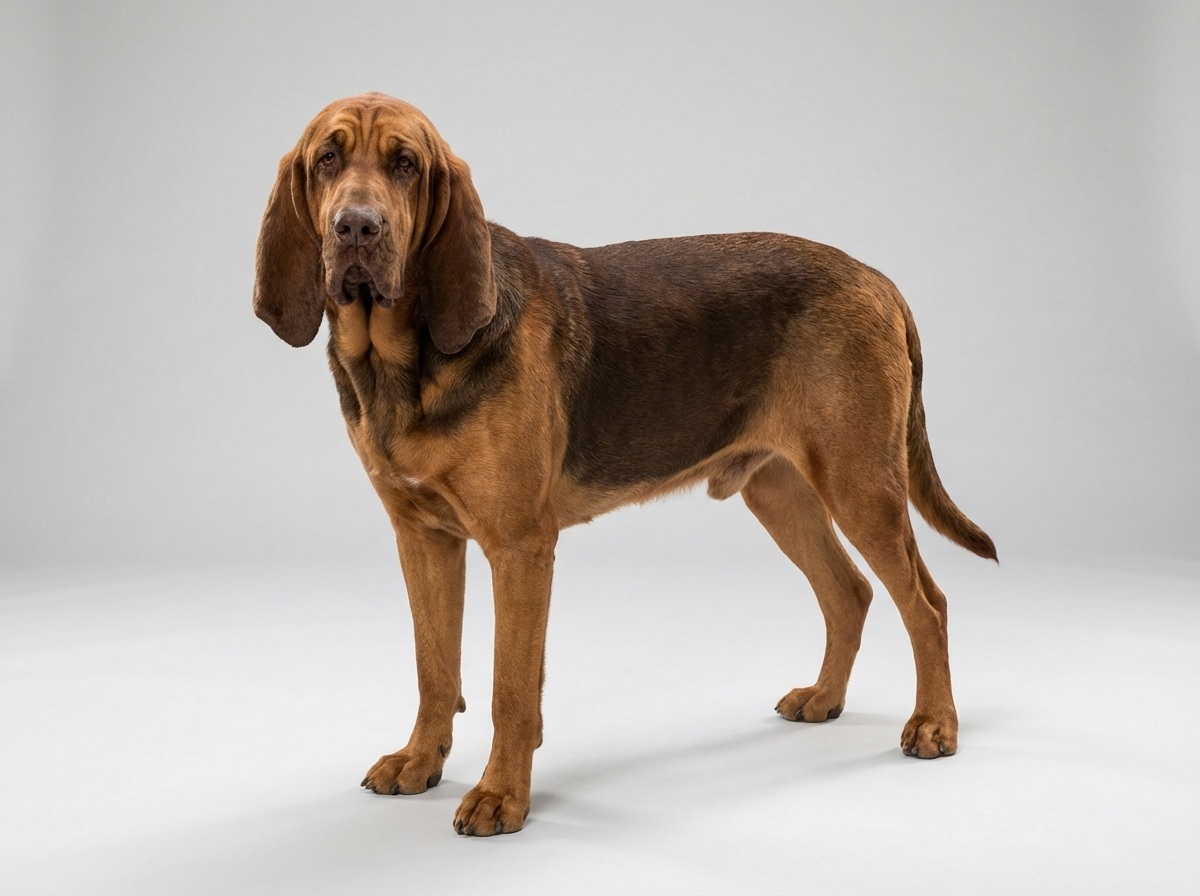
Bloodhounds have unique facial folds that can trap moisture and debris, leading to skin infections. Their droopy ears also create a warm, humid environment that encourages bacterial growth. Additionally, their moderate grooming needs mean that they may not always get the regular cleaning required to prevent skin issues.
Environmental factors such as humidity, dirt, and allergens can contribute to skin infections in Bloodhounds. If they spend a lot of time outdoors or in dirty conditions, their skin may become irritated. Allergies to food or pollen can also lead to scratching and subsequent infections.
If you notice any signs of infection such as redness, swelling, or discharge in your Bloodhound's skin or ears, contact your vet. It's important to seek veterinary advice if the condition worsens or doesn't improve with home care.
Avoiding common pitfalls can help you manage Bloodhound skin infections more effectively.
Start here: Bloodhound Most Common Genetic Disorders: What to Screen For
See all Bloodhound health problems, which breeds are prone to skin infections, or the full Bloodhound breed guide for temperament, exercise needs and ownership costs.
You can expect to see improvements in your Bloodhound's skin infections within 4 to 8 weeks of consistent care and treatment.
Success looks like a noticeable reduction in redness and irritation, along with fewer occurrences of infections. Your Bloodhound should be more comfortable and less prone to scratching or discomfort.
Maria, a busy nurse in Atlanta, adopted Charlie, a playful Bloodhound. Soon after bringing him home, she noticed he was scratching and had some redness around his facial folds. After consulting her vet, Maria learned that Bloodhounds are prone to skin infections due to their unique facial structure. She started a strict cleaning routine, using gentle wipes around Charlie's folds and ensuring he was dry after baths. Within a few weeks, the irritation reduced significantly, and Charlie was much happier. Maria also learned the importance of regular vet check-ups to monitor Charlie's skin health.
Key takeaway: With consistent care and attention, you can effectively manage Bloodhound skin infections and keep your furry friend comfortable.
Bloodhounds are prone to skin infections due to their facial folds, which can trap moisture and bacteria. Regular cleaning and drying of these areas are essential to prevent infections. If you notice persistent issues, consult your vet for tailored advice.
To prevent Bloodhound skin infections, keep their facial folds clean and dry. Regularly check for signs of irritation and use vet-approved wipes for sensitive areas. A balanced diet and proper grooming also support skin health.
Signs of skin infections in Bloodhounds include redness, swelling, and discharge in the facial folds. Your dog may also scratch or rub their face frequently. If you observe these symptoms, it’s best to consult your vet promptly.
Minor skin infections in Bloodhounds may be managed at home with proper hygiene and over-the-counter treatments. However, severe or persistent infections require veterinary intervention for prescription medications or treatments.
Yes, some Bloodhounds may be more prone to skin infections based on genetics and overall health. Regular vet check-ups help identify any predispositions early on, allowing for proactive care.
Diet plays a crucial role in Bloodhound skin health. A balanced diet rich in omega fatty acids can support skin and coat health, reducing the likelihood of infections. Consult your vet for specific dietary recommendations.
If your Bloodhound frequently suffers from skin infections, it’s essential to maintain a regular grooming routine. Regularly clean and dry the facial folds, as moisture can lead to infections. Additionally, consult your vet for specific treatments and preventive measures tailored to your dog.
Yes, Bloodhound skin infections can be more prevalent in warmer months when humidity levels rise. The moist environment can exacerbate skin issues. Keeping your dog cool and dry during these times can help reduce the risk of infections.
You should see a vet if your Bloodhound has persistent skin infections that don't improve with basic care. Signs to watch for include excessive itching, redness, swelling, or if the infection seems to spread. Early intervention can prevent more severe health issues.
Absolutely! A balanced diet rich in omega fatty acids can promote healthier skin and coat. If your Bloodhound has skin infections, consider discussing dietary changes with your vet, as certain food allergies can contribute to skin problems.
Training your Bloodhound to accept skin treatments requires patience. Start by introducing the products gradually and rewarding good behavior. Use positive reinforcement to create a calm and cooperative atmosphere during grooming and treatment sessions.
To manage Bloodhound skin infections, regularly clean facial folds and keep them dry. Monitor for signs of irritation and seek veterinary advice when necessary.
Clean your Bloodhound's face at least two to three times a week or more frequently if they are prone to skin issues. This helps prevent build-up and infections.
Yes, Bloodhounds benefit from regular grooming to remove dirt and debris from their coat and facial folds. This reduces the risk of skin infections.
It's best to use vet-approved wipes specifically designed for dogs. Human wipes may contain chemicals that can irritate your Bloodhound's skin.
A one-page prep sheet for this condition: the signs, the questions to ask, what to get priced. Unlocks here.
You get: Vet visit prep sheet
No spam. One-click unsubscribe. See our privacy policy.
Preview page 1 before you decide.