Bloodhound Respiratory Disease
Bloodhound respiratory disease can significantly impact your dog's quality of life. It’s essential to recognize the signs early.
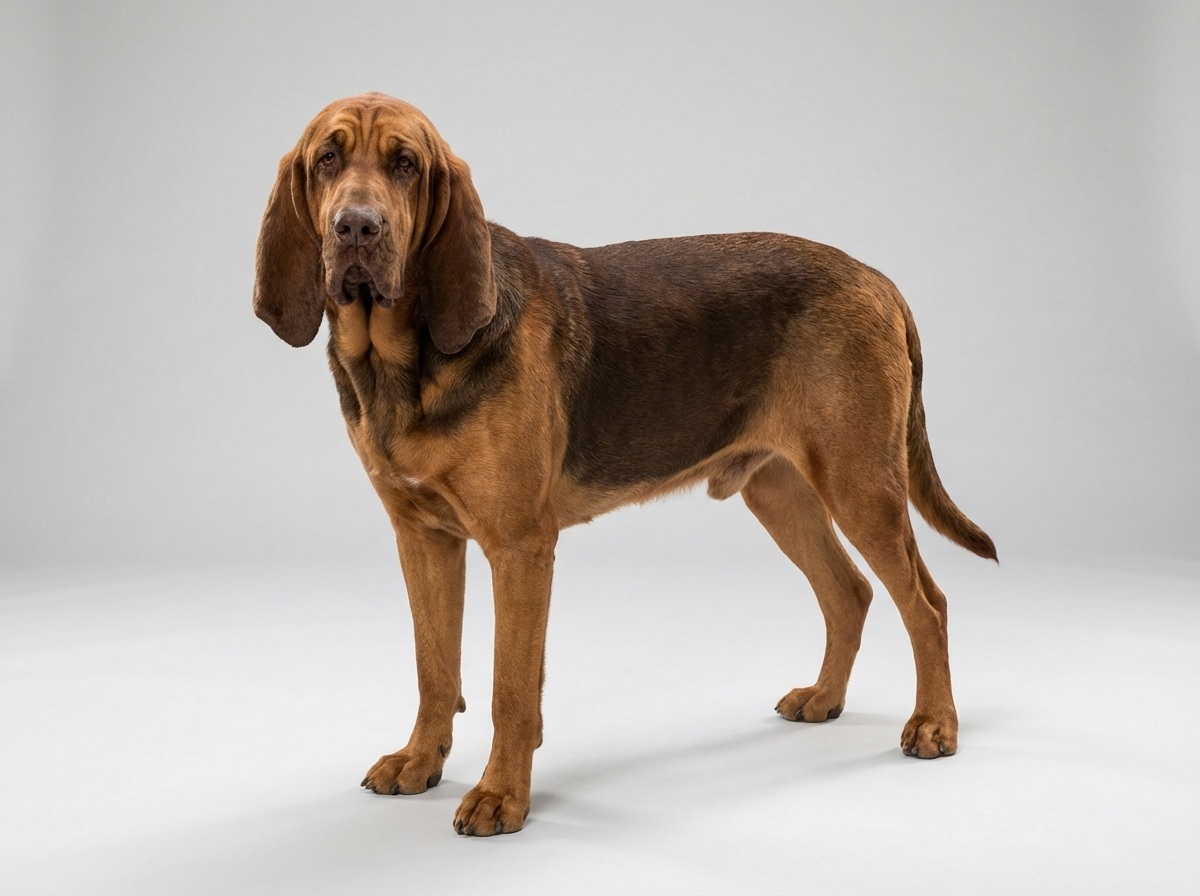
What you can try
- Ensure your Bloodhound stays at a healthy weight by measuring their food portions and providing regular exercise tailored to their energy level.
- Create a clean living environment by regularly vacuuming and reducing allergens like dust and pollen that can irritate their respiratory system.
- Keep your Bloodhound cool, especially in hot weather, as overheating can exacerbate breathing issues. Use fans, air conditioning, or cool mats.
Mistakes that make Respiratory Disease worse
Avoiding these common mistakes can help improve your Bloodhound's respiratory health and overall well-being.
- Ignoring signs of distress: If your Bloodhound is panting excessively or has difficulty breathing, don't dismiss these signs. Consult your vet immediately to address potential health issues.
- Overexerting during exercise: Many owners may think more exercise is better. However, pushing your Bloodhound too hard can worsen respiratory problems. Opt for shorter, more frequent walks instead.
- Neglecting weight management: Obesity can exacerbate respiratory issues. Monitor your dog's diet and ensure they maintain a healthy weight through proper nutrition and portion control.
- Failure to create a comfortable environment: High heat and humidity can make breathing difficult for your Bloodhound. Ensure their living space is cool and well-ventilated, especially during summer.
- Using harsh training methods: Stressful training techniques can lead to anxiety and respiratory distress. Focus on positive reinforcement to create a calm training environment.
- Not addressing allergies: Allergies can contribute to respiratory problems. Identify and minimize exposure to allergens like pollen, dust, or certain foods by consulting your vet.
- Neglecting regular vet visits: Skipping routine check-ups can allow respiratory issues to go unnoticed. Schedule regular visits to catch any problems early and keep your Bloodhound healthy.
When Bloodhound Respiratory Disease is an Emergency
Knowing when Bloodhound respiratory disease is an emergency can save your dog's life. If your Bloodhound shows severe symptoms, it's crucial to act quickly. Signs like difficulty breathing, persistent coughing, or bluish gums indicate that immediate veterinary attention is necessary. Other red flags include extreme lethargy or sudden collapse, which shouldn’t be ignored.
On the other hand, less severe symptoms can often be monitored at home. For example, mild coughing or occasional wheezing might not require an urgent vet visit. Instead, keep an eye on your dog and track any changes. If the symptoms worsen or persist for more than a couple of days, it's wise to consult your vet.
In summary, be alert to the signs. If you notice serious breathing difficulties or other severe symptoms, don't hesitate—call your vet immediately. For milder cases, monitor your Bloodhound and make a plan for follow-up care if needed.
Frequently asked questions
Why does my Bloodhound have respiratory disease?
Bloodhounds are at a higher risk for respiratory diseases due to their unique physical traits, including their long ears and short snouts. These features can lead to issues like obstructed airways and increased susceptibility to infections. Regular vet check-ups and monitoring their breathing can help catch problems early.
How can I stop my Bloodhound from developing respiratory disease?
To help prevent respiratory disease in your Bloodhound, maintain a healthy weight and ensure they get regular exercise. Avoid exposing them to extreme temperatures, as this can exacerbate respiratory issues. Also, keep their living area clean to reduce allergens and irritants.
What training can help with Bloodhound respiratory disease?
While training cannot directly prevent respiratory disease, teaching your Bloodhound commands can help manage their behavior during episodes. Focus on calming techniques and obedience training to reduce stress, which can worsen respiratory issues. Positive reinforcement is key in training sessions.
What are the common symptoms of respiratory disease in Bloodhounds?
Common symptoms include coughing, wheezing, difficulty breathing, and excessive panting. If you notice any of these signs, it's crucial to consult your veterinarian right away for an evaluation. Early detection can make a significant difference in treatment outcomes.
Are there specific treatments for Bloodhound respiratory disease?
Treatment options for respiratory disease in Bloodhounds may include medications to open airways, anti-inflammatories, or even surgery in severe cases. Your vet will recommend the best course of action based on your dog's specific condition and symptoms.
Can I manage Bloodhound respiratory disease at home?
Yes, managing your Bloodhound's respiratory disease at home can include providing a humid environment, ensuring proper hydration, and avoiding strenuous exercise during hot weather. Always follow your vet's recommendations for home care and medication.
Can older Bloodhounds develop respiratory issues?
Yes, older Bloodhounds can be more susceptible to respiratory diseases due to age-related factors. Regular vet check-ups can help catch and manage any issues early.
How can I help my Bloodhound with respiratory disease at home?
To assist your Bloodhound, keep their environment clean and free from allergens. Ensure they have access to fresh air and avoid strenuous exercise during hot weather to minimize respiratory strain.
Is there a specific diet that can help manage Bloodhound respiratory disease?
While no specific diet can cure respiratory disease, providing a balanced, high-quality diet can support overall health. Consult your vet for tailored dietary recommendations.
When should I take my Bloodhound to the vet for respiratory issues?
If your Bloodhound experiences persistent coughing, difficulty breathing, or changes in appetite, it's time to see the vet. Early intervention can greatly improve their condition.
Related guides