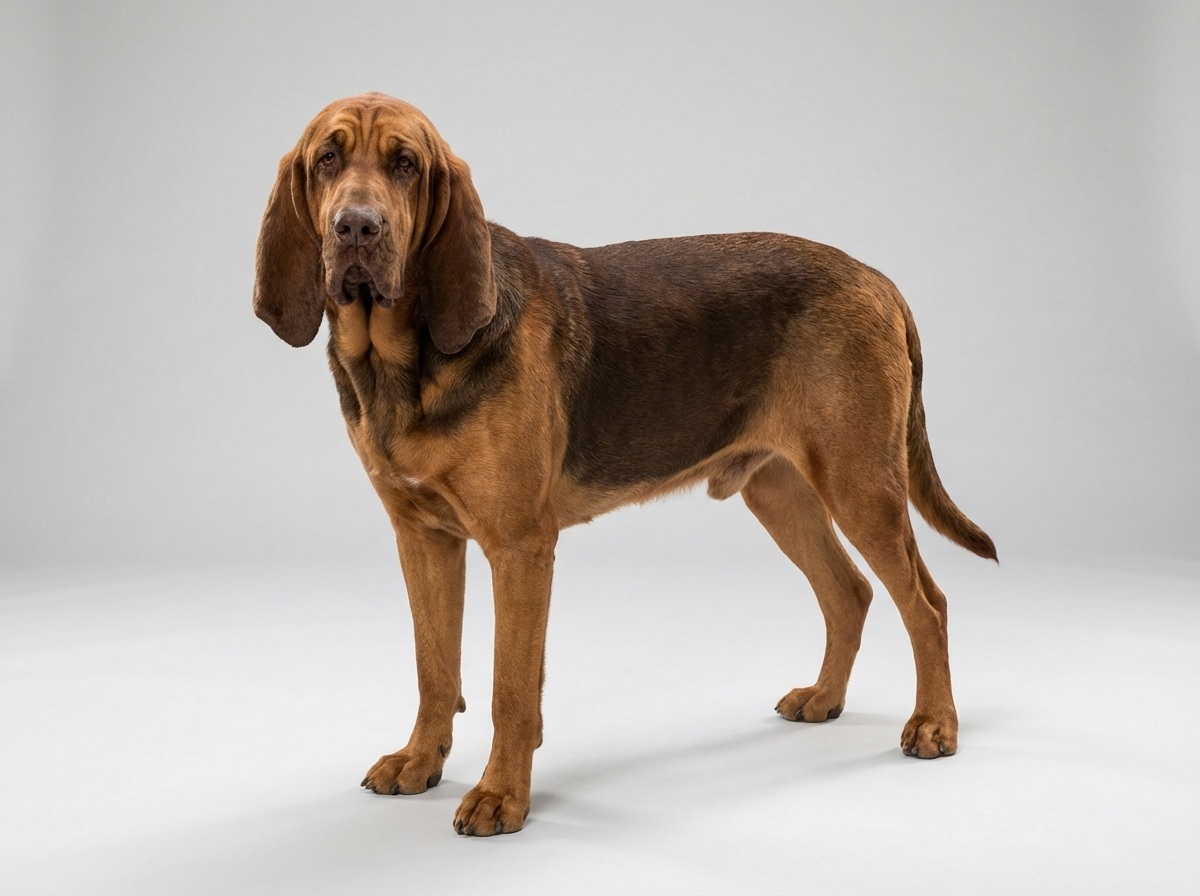
Behavior
What are quick tips for managing Bloodhound myotonia congenita?
Focus on regular, gentle exercise and consult your vet for tailored physical therapy. Positive reinforcement training can also help your Bloodhound cope better.

Quick answer
What are quick tips for managing Bloodhound myotonia congenita?
Focus on regular, gentle exercise and consult your vet for tailored physical therapy. Positive reinforcement training can also help your Bloodhound cope better.
Bloodhound myotonia congenita is a condition that causes muscle stiffness in these lovable dogs. It can affect their mobility and overall quality of life.

Typically, owners of Bloodhounds may notice symptoms of myotonia congenita in their pets. This issue can be especially frustrating for families who expect a playful, energetic companion or individuals who engage in outdoor activities with their dogs.
This guide is not medical advice. If your dog shows pain, sudden behavior change, or worsening symptoms, consult a licensed veterinarian.
Some links may be affiliate links. We may earn a commission at no extra cost to you. We only suggest products we believe are helpful for dog owners.
We research and check what we publish, but we do not warrant that any figure, date, price, or statement is accurate, complete, or current, and we accept no liability for any loss, cost, injury, or other harm arising from the use of this site. Use it as one reference among several. You remain responsible for your own decisions and for your dog's care - confirm anything that matters with a licensed veterinarian or another qualified professional before you act on it. Full disclaimer.
Check this first
Call your vet immediately if your Bloodhound shows severe muscle stiffness combined with the following symptoms: difficulty breathing, excessive drooling, or loss of consciousness. These red-flag signs indicate a serious condition that may require urgent care. Additionally, if your dog collapses or cannot stand, this is also a sign to seek immediate help.
On the other hand, if your Bloodhound experiences mild muscle stiffness without any of the severe symptoms listed above, you can observe them at home. Monitor their behavior, ensuring they are eating, drinking, and moving around as normal. Keep a close eye on their muscle stiffness and note any changes. It's a good idea to create a plan for regular vet check-ups to discuss their condition, especially if symptoms persist or worsen.
Understanding these signs can help you differentiate between an emergency and a situation to monitor. Always err on the side of caution when it comes to your pet's health, and don't hesitate to reach out to your veterinarian if you're unsure. They can provide guidance tailored to your Bloodhound's specific needs.
If any of these apply, call your vet or an emergency clinic now. The rest of this page is for the cases that are not an emergency.
Bloodhound myotonia congenita is a condition that causes muscle stiffness, making movement difficult and uncomfortable. This may lead to your Bloodhound having trouble getting up, climbing stairs, or participating in play. Daily activities can become frustrating for both you and your furry friend as they struggle with stiffness, especially after periods of rest.
Myotonia congenita is relatively rare in Bloodhounds but can occur. It mainly affects their mobility and comfort, impacting their quality of life.
Bloodhounds can inherit myotonia congenita due to their genetic makeup. This condition causes muscle stiffness, which is more common in this breed. Their playful and curious nature may exacerbate the symptoms during active play.
Stressful environments can worsen muscle stiffness in Bloodhounds. Factors like inadequate physical exercise or sudden changes in routine can trigger these episodes. A lack of mental stimulation may also contribute to their anxiety, making the condition more apparent.
Consult a vet if your Bloodhound's muscle stiffness worsens or if you notice other health issues. A vet can offer advice on potential treatments or therapies that may help manage the condition effectively.
Here are common mistakes that can worsen your Bloodhound's myotonia congenita, along with safer alternatives to improve their condition.
Start here: Bloodhound Most Common Genetic Disorders: What to Screen For
See all Bloodhound health problems, which breeds are prone to myotonia congenita, or the full Bloodhound breed guide for temperament, exercise needs and ownership costs.
You can expect to see improvements in your Bloodhound's myotonia congenita within a few weeks of consistent care and management. However, some stiffness may persist, and ongoing care may be needed.
Success means your Bloodhound shows reduced muscle stiffness, participates in daily activities more comfortably, and responds positively to training exercises. You'll notice a happier, more active dog.
Sarah, a busy nurse in Seattle, adopted Bella, a Bloodhound with myotonia congenita. At first, Bella struggled with muscle stiffness, making walks and playtime challenging. Sarah researched how to stop Bloodhound myotonia congenita and started a tailored training routine focused on gentle exercises and positive reinforcement. Over a few weeks, Bella gradually became more agile and responsive. With patience and determination, Sarah found that Bella could enjoy longer walks and play sessions without excessive stiffness.
Key takeaway: With the right training and management, you can significantly improve your Bloodhound's quality of life. Consistent care and understanding go a long way in helping dogs with myotonia congenita thrive.
Bloodhound myotonia congenita is a genetic condition that causes muscle stiffness. This condition affects the dog's ability to relax muscles after contraction. It's often inherited, so if your Bloodhound shows symptoms, consult a vet for a proper diagnosis.
While there is no cure for Bloodhound myotonia congenita, you can manage symptoms through regular exercise and physical therapy. Keeping your dog active helps improve muscle flexibility and reduces stiffness.
Positive reinforcement training works best for Bloodhounds. Use treats and praise for encouragement, especially when teaching commands that help them manage their muscle stiffness during activities.
Gentle, low-impact exercises like walking and swimming can be beneficial. These activities help maintain muscle tone without overexertion, which can worsen stiffness.
Consult your vet if your Bloodhound shows signs of severe stiffness or struggles with daily activities. Regular check-ups can help monitor the condition and adjust care as needed.
A balanced diet can support overall health, but there's no specific diet for myotonia congenita. Consult your vet for dietary recommendations that can help manage your dog's weight and muscle health.
While myotonia congenita can affect mobility, many Bloodhounds live comfortably with management strategies. Regular vet visits and appropriate care can help maintain a good quality of life.
If your Bloodhound displays symptoms like muscle stiffness or difficulty moving, it's essential to consult your veterinarian. They can provide a proper diagnosis and recommend suitable treatment options to help manage the condition.
Yes, older Bloodhounds can develop myotonia congenita, though it is typically a genetic condition present from a young age. Regular check-ups with your vet can help monitor any changes in behavior or mobility as your dog ages.
To assist your Bloodhound with myotonia congenita, opt for short, gentle exercise sessions. Avoid overly strenuous activities, and always keep a close eye on your dog for signs of fatigue or discomfort during playtime.
Yes, training Bloodhounds with myotonia congenita requires patience and understanding. Use positive reinforcement techniques and keep training sessions short to accommodate their muscle stiffness, which can make long sessions difficult.
Focus on regular, gentle exercise and consult your vet for tailored physical therapy. Positive reinforcement training can also help your Bloodhound cope better.
Aim for 30-60 minutes of gentle exercise a day, adjusting based on your dog's condition and energy levels.
Encourage gentle movement and try to keep them calm. If stiffness persists, contact your vet for advice.
Watch for difficulty in standing, reluctance to move, or unusual stiffness after resting. These signs may indicate your Bloodhound needs help.
Yes, with monitored interactions, as long as they are not overly exerted. Socialization helps improve their overall well-being.
A one-page prep sheet for this condition: the signs, the questions to ask, what to get priced. Unlocks here.
You get: Vet visit prep sheet
No spam. One-click unsubscribe. See our privacy policy.
Preview page 1 before you decide.