Health
What are quick tips for managing Bloodhound kidney disease?
Monitor your Bloodhound's water intake and urine output. Schedule regular vet visits and consider a kidney-friendly diet to support their health.

Quick answer
What are quick tips for managing Bloodhound kidney disease?
Monitor your Bloodhound's water intake and urine output. Schedule regular vet visits and consider a kidney-friendly diet to support their health.
Bloodhound kidney disease can be a serious concern for owners. Understanding its signs and management is crucial for your dog's health.
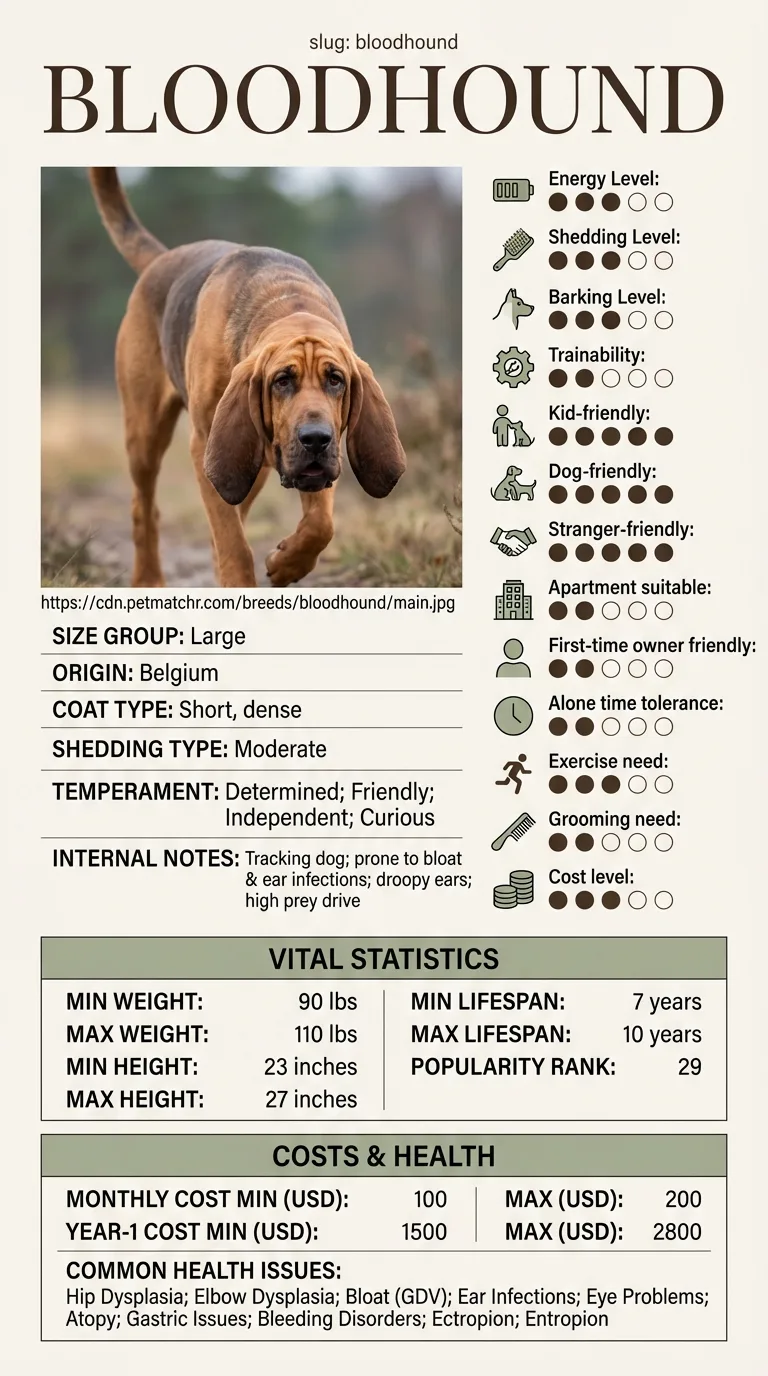
Owners of Bloodhounds, especially those who are first-time pet parents, may find this issue particularly challenging. Those living in urban areas, where access to veterinary care can be limited, often struggle with the costs and logistics of managing a dog's kidney disease.
This guide is not medical advice. If your dog shows pain, sudden behavior change, or worsening symptoms, consult a licensed veterinarian.
Some links may be affiliate links. We may earn a commission at no extra cost to you. We only suggest products we believe are helpful for dog owners.
We research and check what we publish, but we do not warrant that any figure, date, price, or statement is accurate, complete, or current, and we accept no liability for any loss, cost, injury, or other harm arising from the use of this site. Use it as one reference among several. You remain responsible for your own decisions and for your dog's care - confirm anything that matters with a licensed veterinarian or another qualified professional before you act on it. Full disclaimer.
Check this first
Recognizing when Bloodhound kidney disease is an emergency can save your dog's life. If your Bloodhound shows any of the following red-flag signs, contact your vet immediately. These include excessive vomiting, severe lethargy, difficulty breathing, or noticeable abdominal pain. These symptoms indicate that immediate medical attention is necessary.
On the other hand, mild cases of Bloodhound kidney disease may not require urgent care. If your dog is drinking more water than usual or urinating frequently, monitor their behavior closely. You can keep a record of their symptoms and any changes in appetite or energy levels. If these symptoms persist or worsen over a few days, reach out to your vet for further advice.
It's essential to be proactive with kidney disease in Bloodhounds. Regular check-ups can help catch any potential issues early. Always trust your instincts as a pet owner. If you feel something is off, don’t hesitate to get your dog evaluated by a professional.
If any of these apply, call your vet or an emergency clinic now. The rest of this page is for the cases that are not an emergency.
Bloodhound kidney disease can be a serious health issue that develops gradually. It often manifests through increased thirst, frequent urination, and changes in appetite. These symptoms may lead to noticeable lethargy and weight loss, which can be alarming for dog owners.
Kidney disease is relatively common in Bloodhounds, particularly as they age. While not every Bloodhound will develop this condition, it is essential for owners to be vigilant and consult a vet if they notice any concerning symptoms.
Bloodhounds are predisposed to certain health issues, including kidney disease. Their large size and unique physiology can contribute to this risk. Additionally, their independent nature can sometimes lead to neglect of health needs.
Factors like diet, hydration levels, and exposure to toxins can impact kidney health. Inadequate exercise or obesity can also strain their kidneys. Stressful environments, such as frequent changes or lack of mental stimulation, may further exacerbate the issue.
If you notice symptoms such as excessive thirst, frequent urination, or lethargy, it's essential to consult your vet. They can provide diagnostics and tailored treatment plans for managing Bloodhound kidney disease effectively.
Avoiding certain behaviors can help manage Bloodhound kidney disease. Here are some common mistakes to steer clear of:
Start here: Bloodhound Most Common Genetic Disorders: What to Screen For
See all Bloodhound health problems, which breeds are prone to kidney disease, or the full Bloodhound breed guide for temperament, exercise needs and ownership costs.
Managing Bloodhound kidney disease typically takes several months to see noticeable improvements. Regular vet visits and consistent dietary changes are crucial.
Success means your Bloodhound maintains a stable weight, shows improved energy levels, and has stable kidney function as indicated by vet tests.
When Sarah adopted Max, her 5-year-old Bloodhound, she noticed he was more lethargic than other dogs. After a vet visit, Sarah learned Max had early-stage kidney disease. Together, they developed a plan that included a special diet, supplemented by regular vet check-ups and medication. With patience and commitment, Max started to regain his energy and enjoy walks again. Sarah found that tracking his food and water intake helped her manage his condition better.
Key takeaway: A proactive approach, including a tailored diet and regular vet visits, can significantly improve your Bloodhound's quality of life with kidney disease.
Bloodhound kidney disease can occur due to genetic factors, age, or underlying health issues. Regular check-ups and a healthy diet can help reduce risks. If you notice symptoms like increased thirst or lethargy, consult your vet immediately.
Common symptoms include excessive drinking, frequent urination, weight loss, and lethargy. If your Bloodhound shows these signs, it's essential to see a veterinarian for diagnosis and treatment options. Early intervention can significantly impact the outcome.
Managing Bloodhound kidney disease often involves dietary changes, medication, and regular vet check-ups. A vet may recommend a special diet low in protein and phosphorus to help reduce kidney strain. Always follow your vet's advice for the best results.
While you can't completely prevent kidney disease, you can reduce the risk by maintaining a healthy diet, ensuring regular exercise, and scheduling routine veterinary check-ups. Keeping an eye on any changes in behavior or health can also help catch issues early.
A diet low in protein and phosphorus is often recommended for Bloodhounds with kidney disease. Your vet can suggest specific brands or recipes that are suitable. It's crucial to avoid any sudden dietary changes to prevent gastrointestinal upset.
Early signs of Bloodhound kidney disease can include increased thirst and urination, weight loss, and decreased appetite. If you notice these changes, it's important to consult your vet for further evaluation.
Yes, managing Bloodhound kidney disease often involves dietary changes. A vet may recommend a special diet that is lower in protein and phosphorus to help support kidney function.
It's a good idea to start monitoring your Bloodhound for kidney disease around the age of 6 or 7. Regular vet check-ups can help detect early signs and allow for prompt intervention.
The prognosis for a Bloodhound with kidney disease varies depending on the stage at which it's diagnosed. Early detection and management can improve quality of life, but advanced disease may require more intensive treatment.
To help your Bloodhound feel more comfortable, ensure they have easy access to fresh water and a cozy resting place. Regular vet visits and a consistent routine can also help manage their condition effectively.
Monitor your Bloodhound's water intake and urine output. Schedule regular vet visits and consider a kidney-friendly diet to support their health.
It's a good idea to have your Bloodhound checked at least twice a year if they have kidney disease, or more frequently if advised by your vet.
Some vets may recommend supplements like omega-3 fatty acids to support kidney function. Always consult your vet before adding any supplements.
Increase gentle exercise and ensure they have easy access to fresh water. Creating a calm environment can also help manage stress.
A one-page prep sheet for this condition: the signs, the questions to ask, what to get priced. Unlocks here.
You get: Vet visit prep sheet
No spam. One-click unsubscribe. See our privacy policy.
Preview page 1 before you decide.