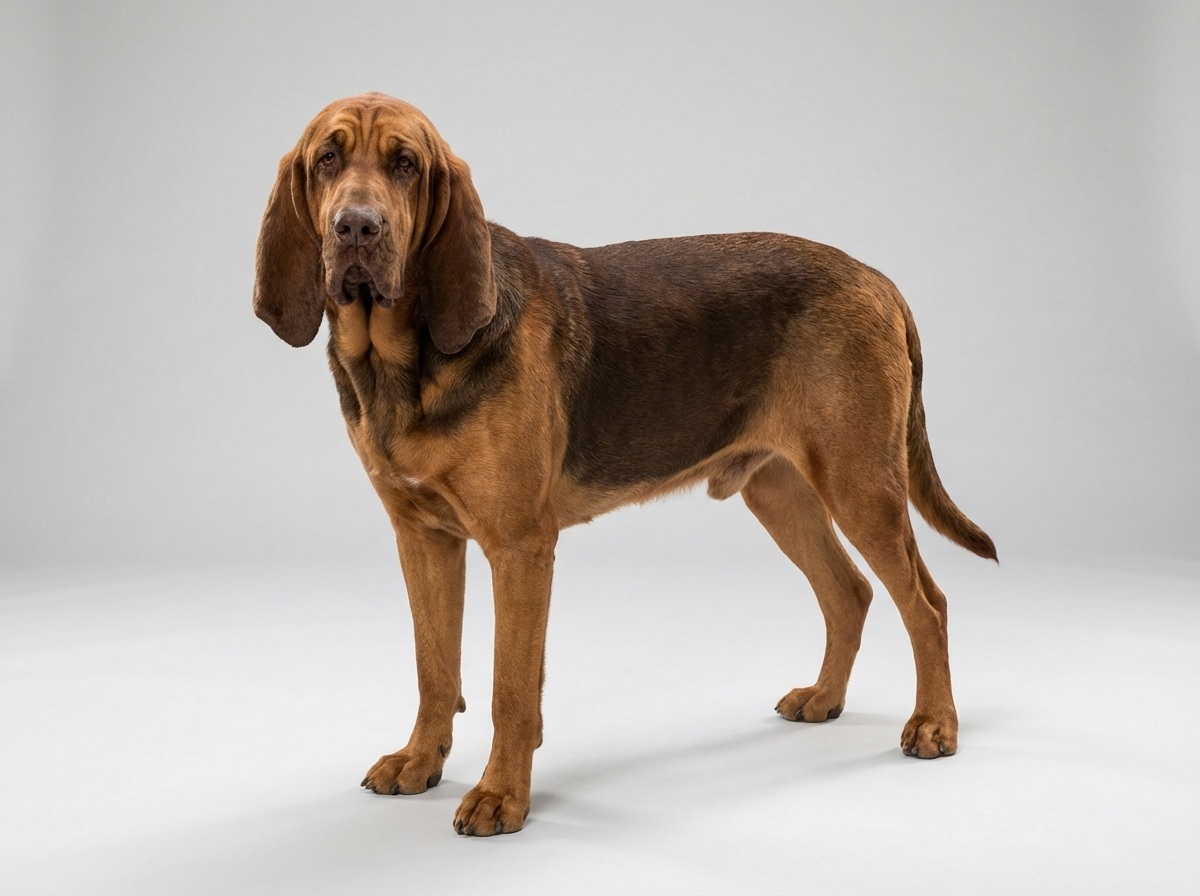
What are quick tips for managing Bloodhound intervertebral disc disease (IVDD) type I?
Maintain a healthy weight, provide low-impact exercise, and avoid jumping or strenuous activities. Regular vet visits are crucial for monitoring their condition.
Bloodhound intervertebral disc disease (IVDD) Type I is a serious condition that affects your dog's spine.

Owners of Bloodhounds, especially those who may not be familiar with the breed's health risks, often face challenges when dealing with IVDD Type I. This condition can be particularly concerning for families with older dogs or those that have a history of spinal issues.
This guide is not medical advice. If your dog shows pain, sudden behavior change, or worsening symptoms, consult a licensed veterinarian.
Some links may be affiliate links. We may earn a commission at no extra cost to you. We only suggest products we believe are helpful for dog owners.
Bloodhound intervertebral disc disease (IVDD) type I can cause significant discomfort and mobility issues for your furry friend. This condition happens when the discs in the spine herniate, putting pressure on the spinal cord. Affected dogs may show signs of pain, difficulty walking, or reluctance to jump or play.
This condition is relatively common in Bloodhounds, particularly as they age. While not every Bloodhound will experience IVDD, many are genetically predisposed to this issue, making awareness and preventive care vital.
Bloodhounds are large dogs with unique structures that can make them more prone to intervertebral disc disease (IVDD) type I. Their heavy bodies and long spines can lead to extra stress on their discs, increasing the risk of herniation. Additionally, their independent nature can lead to less cautious behavior, which may contribute to injuries.
Environmental factors also play a role in IVDD type I. A lack of proper exercise can lead to obesity, increasing strain on the spine. Furthermore, slippery floors or jumping from high places can exacerbate the risk of injury, leading to potential disc issues.
If your Bloodhound shows signs of discomfort or difficulty moving, consider consulting a professional trainer or behaviorist. They can help you develop a tailored exercise program that minimizes strain on your dog's back.
If you notice symptoms like sudden weakness, reluctance to move, or yelping in pain, it's important to speak with your veterinarian. They can provide a proper diagnosis and treatment options for IVDD type I, which may include medication or therapy.
Managing Bloodhound intervertebral disc disease (ivdd) type i generally takes a few weeks to months of consistent care and training. Regular vet check-ups and adjustments may be needed, especially in the first few months.
Success looks like improved mobility for your Bloodhound, with reduced pain and an ability to participate in daily activities. You'll notice your dog being more comfortable when lying down and getting up.
Avoid these common pitfalls to help manage Bloodhound intervertebral disc disease (IVDD) type I effectively.
Recognizing when Bloodhound intervertebral disc disease (IVDD) type I becomes an emergency is crucial for your dog's health. There are clear signs that indicate you should call your vet immediately. For instance, if your Bloodhound shows sudden weakness in the legs, loses the ability to walk, or exhibits severe pain when touched, these are red flags. Additionally, if your dog is unable to control bladder or bowel movements, this requires urgent veterinary attention.
On the other hand, mild cases can often be monitored at home. If your Bloodhound is experiencing slight discomfort but can still walk and is eating and drinking normally, you might not need an emergency visit. In these situations, keep a close eye on their behavior. A gradual onset of symptoms like occasional limping or reluctance to jump may not be as urgent but should still be discussed with your vet.
It’s important to follow a management plan if your dog is stable. This could include adjustments in activity levels, pain management, or specific exercises. However, do not hesitate to seek professional help if things worsen or if you are concerned about your dog's condition. Maintaining communication with your veterinarian is key in managing Bloodhound intervertebral disc disease (IVDD) type I effectively.

The Johnson family adopted Max, a lovable Bloodhound, who soon showed signs of intervertebral disc disease (ivdd) type i. At first, they were overwhelmed by his pain and limited movement. They quickly learned the importance of a consistent low-impact exercise routine and made adjustments at home, like providing ramps and soft bedding. After several visits to the vet, Max began physical therapy and the family committed to daily training exercises. Within three months, Max was back to his playful self, enjoying walks and cuddles without discomfort.
Key takeaway: Consistency in care and training can significantly improve your Bloodhound's quality of life while managing IVDD.
Bloodhounds are prone to intervertebral disc disease (IVDD) type I due to their large size and unique body structure. This condition occurs when the discs between the vertebrae herniate, putting pressure on the spinal cord. Genetics, age, and obesity can also increase the risk of developing IVDD.
Preventing intervertebral disc disease in Bloodhounds involves maintaining a healthy weight and providing regular, low-impact exercise. Avoid activities that put excessive strain on their spine, such as jumping or climbing stairs. Regular vet check-ups can also help catch any potential issues early.
Symptoms of IVDD type I may include difficulty walking, loss of coordination, or reluctance to jump. You might also notice signs of pain, like whining or sensitivity when touched. If you observe any of these signs, consult your veterinarian promptly.
Treatment for IVDD type I can range from conservative management, like rest and pain medication, to surgical intervention in severe cases. Your vet will assess the severity of the condition and recommend the best approach for your Bloodhound.
Yes, training can help manage IVDD by teaching your Bloodhound low-impact commands and encouraging gentle exercise. Focus on positive reinforcement techniques and avoid high-energy activities that could exacerbate their condition.
Yes, intervertebral disc disease can have a hereditary component in Bloodhounds. Responsible breeding practices can help reduce the prevalence of this condition in future generations.
To support your Bloodhound at home, create a comfortable resting area and limit their jumping on and off furniture. Regularly monitor their weight and provide them with a balanced diet to maintain their health.
Common symptoms include back pain, difficulty walking, and weakness in the hind legs. You may also notice your Bloodhound being less active or reluctant to jump. If you observe any of these signs, consult your vet promptly.
While some mild cases might improve with rest and limited activity, it's essential to consult with a vet for proper diagnosis and treatment. Home remedies without professional guidance can lead to more severe issues.
Yes, certain breeds, including Bloodhounds, may have a genetic predisposition to intervertebral disc disease. Responsible breeding practices can help reduce the incidence of this condition in future generations.
For older Bloodhounds, maintaining a healthy weight and providing low-impact exercise can help manage their condition. Regular vet check-ups are crucial to monitor their health and adjust care as needed.
Surgery may be necessary if your Bloodhound experiences severe pain, loss of mobility, or if conservative treatments fail. Always discuss the options with your veterinarian to determine the best course of action.
Maintain a healthy weight, provide low-impact exercise, and avoid jumping or strenuous activities. Regular vet visits are crucial for monitoring their condition.
Create a soft, supportive bed and limit their movement to prevent strain. Use ramps to help them get into vehicles or onto furniture safely.
Feed a balanced diet tailored to their age and weight. Consult your vet for specific dietary recommendations to manage their health.
Focus on gentle training exercises that reinforce commands without physical strain. Avoid high-energy games and use positive reinforcement techniques.