Behavior
What are quick tips for managing Bloodhound gastrointestinal disorders?
Monitor their diet closely and adjust to high-quality, easily digestible foods. Regular vet visits can help catch issues early.

Quick answer
What are quick tips for managing Bloodhound gastrointestinal disorders?
Monitor their diet closely and adjust to high-quality, easily digestible foods. Regular vet visits can help catch issues early.
Bloodhound gastrointestinal disorders can cause discomfort and health issues for your dog. It's essential to recognize and address these problems early.
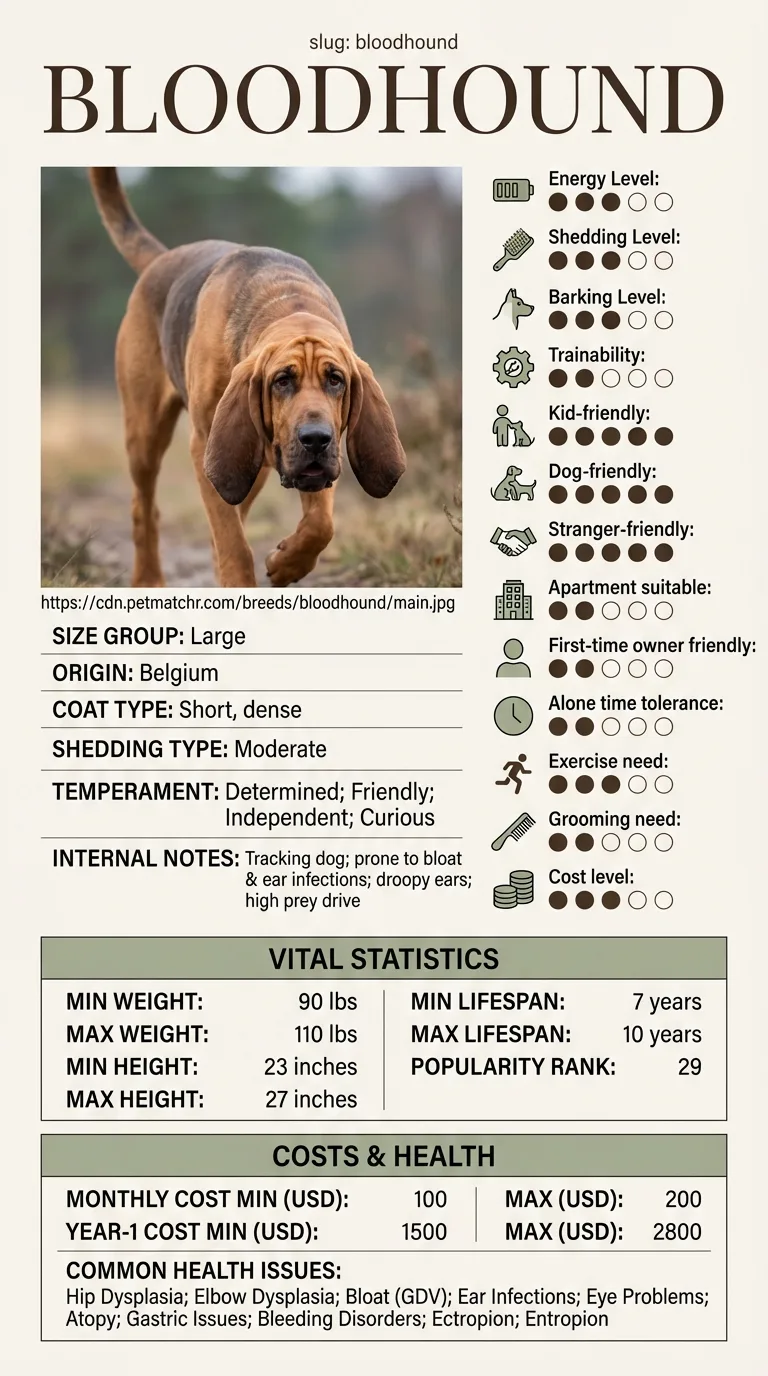
Typically, owners of Bloodhounds—known for their strong personalities and unique health challenges—may face these issues. Busy families or first-time dog owners might feel overwhelmed when tackling gastrointestinal problems.
This guide is not medical advice. If your dog shows pain, sudden behavior change, or worsening symptoms, consult a licensed veterinarian.
Some links may be affiliate links. We may earn a commission at no extra cost to you. We only suggest products we believe are helpful for dog owners.
We research and check what we publish, but we do not warrant that any figure, date, price, or statement is accurate, complete, or current, and we accept no liability for any loss, cost, injury, or other harm arising from the use of this site. Use it as one reference among several. You remain responsible for your own decisions and for your dog's care - confirm anything that matters with a licensed veterinarian or another qualified professional before you act on it. Full disclaimer.
Check this first
Bloodhound gastrointestinal disorders can sometimes be serious. It's crucial to know when to call your vet immediately versus when you can monitor your dog at home.
Red-Flag Signs (Call Your Vet Now): If your Bloodhound shows any of the following symptoms, seek veterinary help right away: - Vomiting that persists for more than a few hours. - Severe abdominal pain or bloating. - Blood in vomit or stool. - Diarrhea lasting more than a day, especially if it’s accompanied by lethargy. - Signs of dehydration, like excessive panting or dry gums.
These symptoms can indicate serious conditions like bloat or gastrointestinal obstructions, which require immediate treatment.
Mild Cases to Monitor: In less severe instances, you can often manage the situation at home. If your Bloodhound has: - Occasional vomiting or diarrhea without blood. - Mild gas or discomfort. - Changes in appetite without other symptoms.
You can monitor their condition closely and make adjustments to their diet or routine. Keeping a log of your dog's symptoms can help you track changes and discuss them with your vet if necessary.
As always, if you’re in doubt, it’s better to err on the side of caution and consult your veterinarian. They can provide the best advice tailored to your Bloodhound's specific needs.
If any of these apply, call your vet or an emergency clinic now. The rest of this page is for the cases that are not an emergency.
Bloodhound gastrointestinal disorders can significantly affect your dog's quality of life. Common issues include inflammatory bowel disease, acid reflux, and even hiatal hernias. These conditions may lead to symptoms like vomiting, diarrhea, and a general lack of appetite, making daily life challenging for both the dog and owner.
Gastrointestinal disorders are relatively common in Bloodhounds, especially given their predisposition for eating quickly and their sensitive stomachs. While not every Bloodhound will face these issues, they are seen frequently enough that owners should be aware and prepared.
Bloodhounds are large, independent dogs with specific digestive needs. Their predisposition to gastrointestinal disorders can be influenced by their anatomy, such as their long bodies and droopy stomachs, which can lead to issues like bloat. Additionally, they are known for their food-driven nature, which can sometimes lead to overeating or eating too quickly.
A Bloodhound's environment can also play a crucial role in their gastrointestinal health. Stressful situations, like changes in routine or a noisy household, can contribute to digestive issues. Furthermore, poor-quality food or sudden diet changes can upset their stomachs, leading to inflammation or discomfort.
If your Bloodhound experiences persistent gastrointestinal problems, such as vomiting, diarrhea, or loss of appetite, it's essential to consult your veterinarian. They can assess for underlying health issues that may require medical treatment or dietary adjustments.
Addressing Bloodhound gastrointestinal disorders can be tricky. Here are some common mistakes to avoid that may hinder improvement.
Start here: Bloodhound Most Common Genetic Disorders: What to Screen For
See all Bloodhound health problems, which breeds are prone to gastrointestinal disorders, or the full Bloodhound breed guide for temperament, exercise needs and ownership costs.
Most Bloodhounds with gastrointestinal disorders can show improvement within 3 to 6 months of consistent care and management.
Success means your Bloodhound experiences fewer gastrointestinal issues, has a stable diet, and maintains a healthy weight without frequent vomiting or diarrhea.
When Sarah adopted Max, a 3-year-old Bloodhound, she quickly noticed he had frequent gastrointestinal issues. After several vet visits, they discovered he had a sensitive stomach and needed a special diet. Sarah learned about gradual dietary changes and started incorporating probiotics into Max's meals. Within a few months, his symptoms improved dramatically, and he was happier and more energetic. Sarah was relieved to see Max enjoying his meals again and able to join her family on outings without worry.
Key takeaway: With the right diet and patience, Bloodhound gastrointestinal disorders can be managed effectively, allowing your dog to thrive.
Bloodhound gastrointestinal disorders can stem from various causes, including dietary issues, allergies, or genetic predispositions. It's important to monitor your dog's diet and consult with your vet if symptoms like vomiting or diarrhea persist.
To help a Bloodhound with gastrointestinal disorders, focus on a balanced diet that's suitable for dogs prone to these issues. Regular vet check-ups and possibly switching to a specialized diet can also improve their condition.
Common symptoms of Bloodhound gastrointestinal disorders include vomiting, diarrhea, lethargy, and changes in appetite. If you notice these signs, it's best to consult your veterinarian for proper diagnosis and treatment.
While training won't directly cure gastrointestinal disorders, it can help manage stress and anxiety, which may reduce flare-ups. Incorporate positive reinforcement techniques to create a calm environment for your Bloodhound.
Consider feeding your Bloodhound smaller, more frequent meals and high-quality dog food that's specifically formulated for sensitive stomachs. Avoid table scraps and sudden diet changes that can upset their digestive system.
Common causes of gastrointestinal disorders in Bloodhounds include dietary indiscretion, food allergies, and underlying health conditions like inflammatory bowel disease. Stress can also play a role, especially in sensitive dogs. It's important to monitor their diet and consult a vet if symptoms persist.
If your Bloodhound shows signs of severe vomiting, diarrhea, lethargy, or refuses to eat, these could be signs of a serious condition. Additionally, excessive drooling or abdominal pain warrants immediate veterinary attention. Regularly observing your dog's behavior can help catch any issues early.
Yes, older Bloodhounds may experience gastrointestinal disorders more frequently due to age-related changes in their digestive system. Their metabolism slows down, making them more susceptible to issues like bloat or constipation. Regular vet check-ups become even more critical as they age.
Feeding your Bloodhound a high-quality, easily digestible diet can help manage gastrointestinal disorders. Look for foods that are formulated for sensitive stomachs and consider adding probiotics to support gut health. Always consult your vet for specific dietary recommendations tailored to your dog's needs.
While training won't directly cure gastrointestinal disorders, it can help by reducing stress and anxiety, which may contribute to digestive issues. Teaching your Bloodhound commands and providing mental stimulation can create a more relaxed environment. Always pair training with proper medical care for the best results.
Monitor their diet closely and adjust to high-quality, easily digestible foods. Regular vet visits can help catch issues early.
Feed your Bloodhound smaller meals 2-3 times a day to ease digestion and prevent bloating.
Avoid fatty foods, dairy, and any known allergens for your Bloodhound to prevent gastrointestinal upset.
If your Bloodhound shows persistent vomiting, diarrhea, or lethargy for more than 24 hours, contact your vet immediately.
Create a calm and consistent routine for your Bloodhound, using gentle training techniques to ease their anxiety around mealtime.
A one-page prep sheet for this condition: the signs, the questions to ask, what to get priced. Unlocks here.
You get: Vet visit prep sheet
No spam. One-click unsubscribe. See our privacy policy.
Preview page 1 before you decide.