Behavior
What are quick tips for managing Bloodhound GDV/bloat?
Feed smaller, frequent meals, avoid exercise immediately after eating, and watch for signs of distress.
Bloodhound gastric dilatation-volvulus (GDV/bloat) is a serious and potentially life-threatening condition that can affect your dog’s stomach.
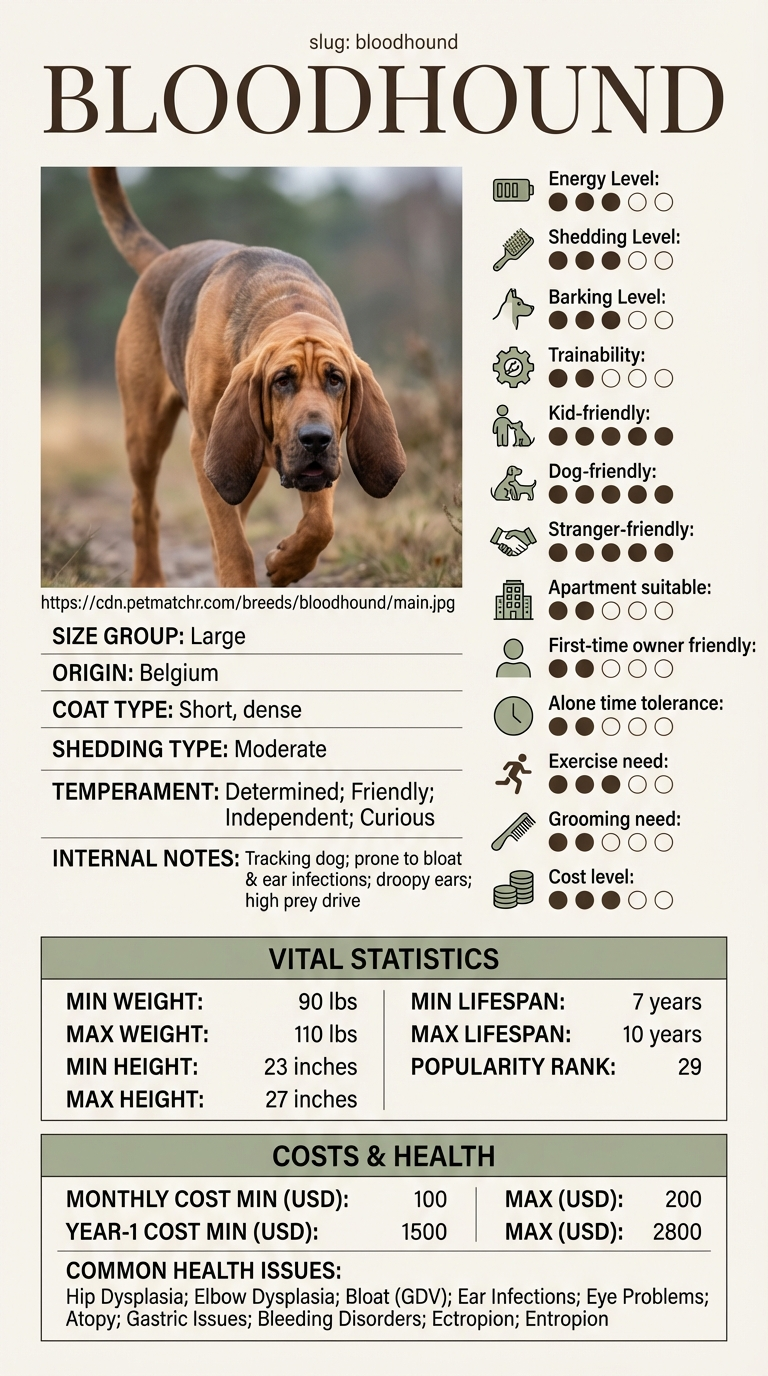
Typically, first-time Bloodhound owners or those unfamiliar with the breed's health challenges may struggle with GDV. Busy families or individuals who might overlook subtle signs of distress in their pets can also be particularly affected.
This guide is not medical advice. If your dog shows pain, sudden behavior change, or worsening symptoms, consult a licensed veterinarian.
Some links may be affiliate links. We may earn a commission at no extra cost to you. We only suggest products we believe are helpful for dog owners.
Bloodhound gastric dilatation-volvulus (GDV/bloat) is a serious condition where the stomach fills with gas and twists. This can cause extreme discomfort and can be life-threatening if not treated quickly. Common signs include a swollen abdomen, retching without vomiting, and restlessness. Owners may notice their Bloodhound pacing or trying to vomit but failing to do so.
GDV is relatively common in large breeds like Bloodhounds, with some studies suggesting that up to 30% of them may experience this condition at some point in their lives. It's essential for owners to be aware of the signs and act quickly, as early intervention can be lifesaving.
Bloodhounds are large dogs with deep chests, making them more prone to gastric dilatation-volvulus (GDV), commonly known as bloat. This condition can occur when their stomach fills with gas and twists, leading to a life-threatening situation. Their independent nature may also lead them to eat quickly, increasing the risk.
Environmental factors like stress and fast eating can contribute to GDV. Bloodhounds may experience anxiety from loud noises or changes in routine, which can exacerbate their tendency to gulp food. Additionally, lack of exercise or sudden physical activity after eating can increase the likelihood of this dangerous condition.
If your Bloodhound continues to eat too quickly or shows signs of anxiety during mealtime, consider working with a professional trainer. They can help with behavior modification techniques to encourage calmer eating habits.
If you notice symptoms of GDV, such as a swollen abdomen, excessive drooling, or signs of distress, contact your vet immediately. Early intervention is crucial in these situations, as GDV can be fatal if not treated quickly.
Managing Bloodhound gastric dilatation-volvulus (GDV/bloat) can take time. Initial training and dietary adjustments may show results within a few weeks, but ongoing management is crucial.
Success means your Bloodhound has a balanced diet, regular exercise, and you recognize early signs of bloat. This proactive approach can prevent serious health issues.
Avoid these common mistakes to help manage Bloodhound gastric dilatation-volvulus (GDV/bloat) effectively.
Gastric dilatation-volvulus, or GDV, is a serious condition that can be life-threatening for your Bloodhound. Knowing when it’s an emergency can save your dog's life. Here are some signs that mean you should call your vet immediately:
- **Abdominal Distension:** If your Bloodhound's belly looks swollen or feels hard, this is a red flag. - **Restlessness and Discomfort:** Pacing, whining, or an inability to settle can indicate pain. - **Rapid Heart Rate:** An increased heart rate is often a sign of distress. - **Unproductive Vomiting:** If your dog attempts to vomit but produces nothing, this is a critical sign of GDV. - **Collapse or Weakness:** If your Bloodhound seems weak or collapses, don’t wait—call your vet.
In mild cases, you can monitor your Bloodhound at home. Here are some symptoms that might not require immediate action but should still be observed:
- **Occasional Bloating:** A little bloating can happen after eating but should resolve quickly. - **Mild Discomfort:** If your dog seems slightly uncomfortable but is still eating and drinking normally. - **Normal Behavior:** If your Bloodhound continues to play and is responsive, you might not need to panic.
Always err on the side of caution. If you notice any concerning signs, don’t hesitate to consult your veterinarian. It’s better to be safe than sorry when it comes to your Bloodhound’s health.
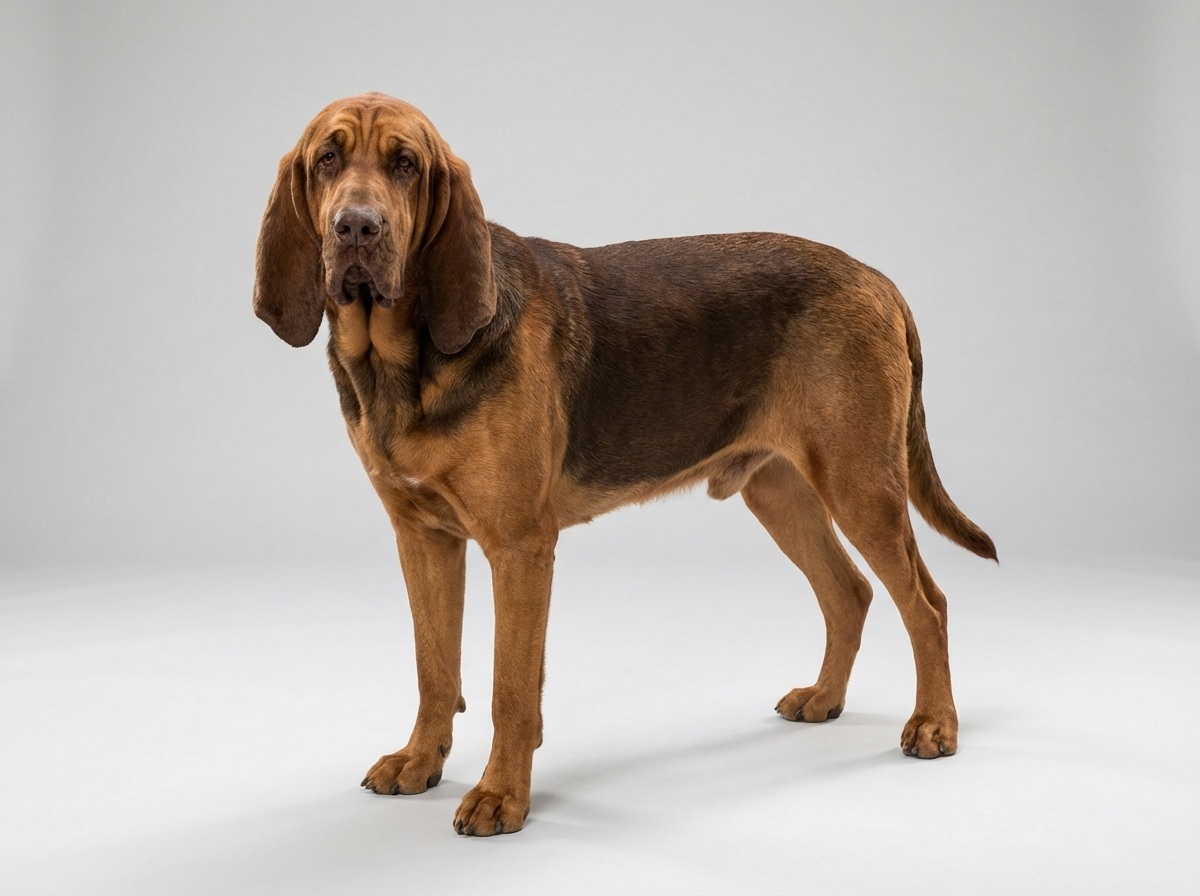
When Sarah adopted Bella, her lively Bloodhound, she quickly learned about the risks of gastric dilatation-volvulus (GDV/bloat). After Bella experienced a scare with bloating, Sarah consulted her vet for diet changes and training tips. Through consistent meal schedules and monitoring Bella's behavior, Sarah became adept at spotting early signs of bloat, ensuring Bella stayed healthy and happy.
Key takeaway: Understanding the risks of Bloodhound gastric dilatation-volvulus (GDV/bloat) and working closely with a vet can make a difference in your dog's life.
Bloodhound gastric dilatation-volvulus (GDV/bloat) is a serious condition where a dog's stomach twists and fills with gas. This can lead to severe pain, shock, and even death if not treated immediately.
GDV can occur due to several factors, including eating too quickly, overeating, or vigorous exercise after meals. Bloodhounds, with their deep chests, are particularly at risk for this condition.
To reduce the risk of GDV, feed your Bloodhound smaller meals throughout the day instead of one large meal. Avoid vigorous exercise right after eating, and consider using a slow feeder bowl to prevent gulping.
Symptoms of GDV include a swollen abdomen, unproductive vomiting, restlessness, and signs of pain. If you notice these symptoms, seek veterinary help immediately.
If you suspect GDV, take your Bloodhound to the vet immediately. Time is crucial, as this condition can deteriorate rapidly, requiring emergency treatment.
Yes, GDV is treatable, often requiring emergency surgery to untwist the stomach and remove any damaged tissue. Post-operative care and monitoring are essential for recovery.
While there isn't a specific training method to prevent GDV, teaching your Bloodhound to eat slowly and calmly can help. You can use commands to encourage patience during mealtimes.
Signs of GDV in your Bloodhound include a distended abdomen, restlessness, pacing, excessive drooling, and attempts to vomit without success. If you notice these symptoms, it's crucial to seek emergency veterinary care immediately.
Yes, older Bloodhounds may be at a higher risk for GDV due to age-related changes in their digestive system. It's important to monitor their eating habits and consult your vet for preventive measures if you have an older dog.
To help prevent GDV, feed your Bloodhound smaller, more frequent meals instead of one large meal. Avoid vigorous exercise right after eating and consider using a slow feeder to reduce gulping.
Stress can indeed play a role in the onset of GDV. Keeping your Bloodhound's environment calm and predictable can help reduce anxiety and potentially lower the risk of bloat.
If your Bloodhound has a history of GDV, it's essential to work closely with your veterinarian. They may recommend a specific diet, feeding schedule, or even surgical options to prevent future occurrences.
Feed smaller, frequent meals, avoid exercise immediately after eating, and watch for signs of distress.
Look for a deep chest shape and monitor eating habits; these can increase the risk of GDV.
Emergency treatment for GDV can be costly, often ranging from $1,500 to $5,000, depending on the severity.
Yes, using slow feeder bowls or spreading food on a flat surface can help your Bloodhound eat more slowly.
Watch for a swollen abdomen, restlessness, and unproductive vomiting as early signs of GDV.