Training
What are quick tips for Bloodhound eye problems?
Keep your Bloodhound's eyes clean and dry, and schedule regular vet visits to monitor their eye health. Early detection of issues can make a significant difference.

Quick answer
What are quick tips for Bloodhound eye problems?
Keep your Bloodhound's eyes clean and dry, and schedule regular vet visits to monitor their eye health. Early detection of issues can make a significant difference.
Bloodhound eye problems can be a real concern for owners. These issues can affect their quality of life and lead to discomfort.
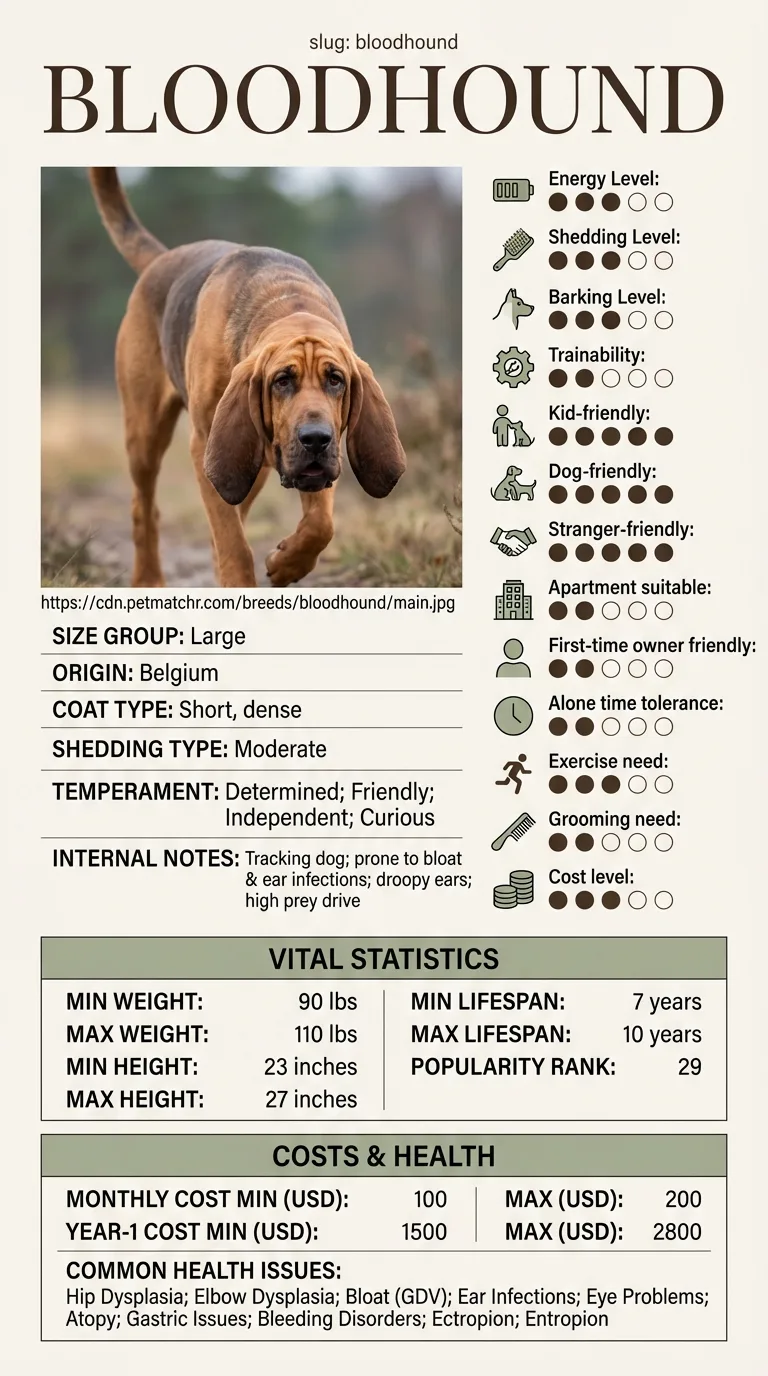
Typically, first-time Bloodhound owners or those unfamiliar with the breed's common health issues may find themselves overwhelmed by eye problems. Families with children or busy lifestyles may also struggle to keep up with the special care these dogs need.
This guide is not medical advice. If your dog shows pain, sudden behavior change, or worsening symptoms, consult a licensed veterinarian.
Some links may be affiliate links. We may earn a commission at no extra cost to you. We only suggest products we believe are helpful for dog owners.
We research and check what we publish, but we do not warrant that any figure, date, price, or statement is accurate, complete, or current, and we accept no liability for any loss, cost, injury, or other harm arising from the use of this site. Use it as one reference among several. You remain responsible for your own decisions and for your dog's care - confirm anything that matters with a licensed veterinarian or another qualified professional before you act on it. Full disclaimer.
Check this first
Eye problems in Bloodhounds can vary in severity. It's crucial to recognize when you should act quickly versus when you can monitor the situation. Here are some signs that indicate an emergency.
Red-flag symptoms include sudden squinting, excessive tearing, or blood in the eye. If your Bloodhound is pawing at their eyes or showing signs of pain, it's time to call your vet immediately. Any drastic changes in vision or apparent discomfort are serious and should not be ignored.
On the other hand, mild cases can often be monitored at home. If your dog has minor redness or slight discharge, keep an eye on it for a few days. Ensure they don't have access to irritants, and watch for any worsening of symptoms. If things don't improve within a short time, consult your vet for advice. Understanding these differences can help you make informed decisions about your Bloodhound's health.
If any of these apply, call your vet or an emergency clinic now. The rest of this page is for the cases that are not an emergency.
Bloodhound eye problems can manifest as excessive tearing, redness, or cloudiness in the eyes. These issues often stem from their droopy eyelids, making them more susceptible to irritation and injuries. Daily, this might look like your Bloodhound squinting or rubbing their eyes, which can be concerning for any owner.
Eye problems are quite common in Bloodhounds due to their unique eye structure. Many owners report issues at some point in their dog's life, making it essential to stay vigilant about their eye health.
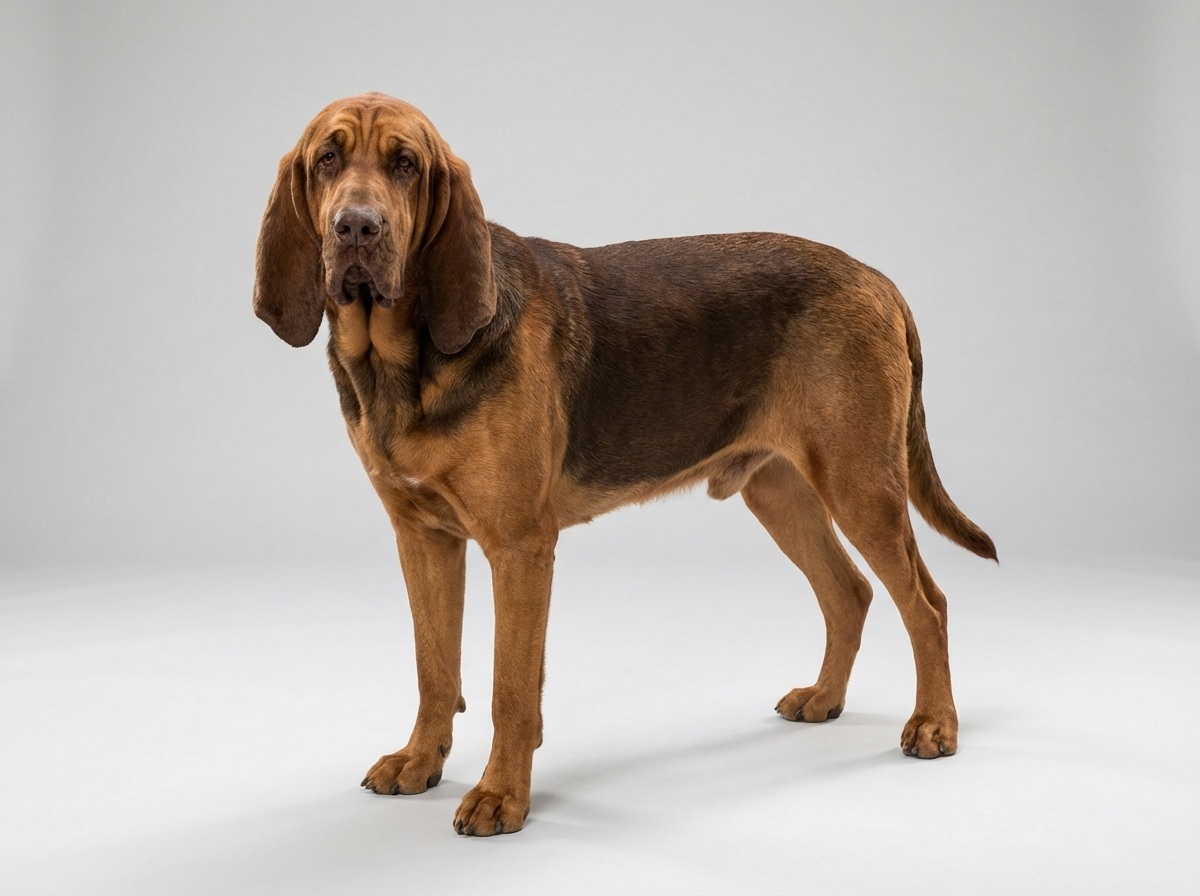
Bloodhounds are known for their droopy eyes, which can lead to various eye problems. Their loose skin can trap debris and moisture, increasing the risk of infections and irritations. Additionally, they are prone to conditions like ectropion and entropion, where the eyelids either roll outwards or inwards, causing discomfort.
Environmental factors can also contribute to eye problems in Bloodhounds. Dust, pollen, and other allergens can irritate their eyes, especially in urban areas or during certain seasons. Furthermore, exposure to harsh weather conditions or lack of proper eye care can exacerbate existing issues.
If you notice persistent redness, swelling, or discharge from your Bloodhound's eyes, it's time to see a vet. They can diagnose specific issues and recommend treatments, including medications or potential surgeries for more severe conditions.
Avoiding common pitfalls can help your Bloodhound manage eye problems more effectively. Here are some mistakes to watch out for, along with safer alternatives.
Start here: Bloodhound Most Common Genetic Disorders: What to Screen For
See all Bloodhound health problems, which breeds are prone to eye problems, or the full Bloodhound breed guide for temperament, exercise needs and ownership costs.
You can expect to see improvements in your Bloodhound's eye problems within 4 to 8 weeks of consistent care and follow-up with your vet. This may vary depending on the severity of the issues and the specific treatments involved.
Success looks like a noticeable reduction in eye irritation or discomfort for your Bloodhound. You should see them displaying fewer signs of distress, such as squinting or excessive tearing.
Emily adopted her Bloodhound, Max, when he was just a puppy. As he grew, she noticed that Max often squinted and seemed uncomfortable in bright light. After a vet visit confirmed that he had some common Bloodhound eye problems, Emily learned about proper care and training techniques. She committed to a daily routine that included gentle eye cleaning and limiting Max's exposure to harsh sunlight. After a few weeks of diligent care, Emily saw a significant improvement in Max's eye health, and he became a much happier dog.
Key takeaway: Consistency in care and training can lead to significant improvements in your Bloodhound's eye problems, making both you and your dog happier.
Bloodhounds can suffer from various eye issues due to their droopy eyelids and skin folds. Common conditions include ectropion and entropion, which can cause irritation and lead to more serious problems. Regular vet check-ups are crucial to catch these issues early.
To prevent eye problems, keep your Bloodhound's face clean and dry, especially around the eyes. Regular grooming and wiping away any discharge can help. Additionally, ensure they are not exposed to harsh environments that could cause injury.
Signs of eye problems include excessive tearing, redness, squinting, or pawing at the eyes. If you notice any of these symptoms, it's important to consult your veterinarian as soon as possible. Early intervention can prevent further complications.
During training, ensure your Bloodhound is not exposed to overly stimulating environments that could lead to eye injuries. Focus on obedience training to keep them focused and calm. Regular breaks and positive reinforcement can also help reduce stress.
Yes, a balanced diet can support overall health, including eye health. Omega-3 fatty acids are known to promote eye function. Consult your vet for dietary recommendations that may help prevent eye problems.
Yes, older Bloodhounds may experience eye problems more frequently due to age-related conditions like cataracts or glaucoma. Regular veterinary check-ups are essential to catch any changes in their eye health early.
You should take your Bloodhound to the vet if you notice persistent irritation, changes in vision, or any unusual discharge from their eyes. Early intervention can prevent more serious complications.
Yes, certain eye problems in Bloodhounds can be hereditary. Conditions like ectropion and entropion are more common in this breed, so it's important to discuss any family history of eye issues with your vet.
Keep your Bloodhound's eyes clean and dry, and schedule regular vet visits to monitor their eye health. Early detection of issues can make a significant difference.
Treatment for Bloodhound eye problems can range from $200 to $1,500 depending on the severity and type of treatment needed. Always consult with your vet for an accurate estimate.
Yes, some eye problems in Bloodhounds are hereditary due to their breed characteristics. Responsible breeding practices can help reduce the incidence of these issues.
If your Bloodhound is rubbing their eyes, squinting, or showing reluctance to open their eyes, these may be signs of discomfort. Prompt veterinary care is essential.
A one-page prep sheet for this condition: the signs, the questions to ask, what to get priced. Unlocks here.
You get: Vet visit prep sheet
No spam. One-click unsubscribe. See our privacy policy.
See a sample page before you decide.
Early access list
The free prep sheet covers the same-day warning signs, a symptom log and the questions to ask. We are considering a fuller kit that adds a cost worksheet for the usual tests and treatments (US price ranges with their sources) and a plain-English guide to ways of covering the bill. It is not built yet; this list tells us whether it is worth building.
One email, no spam, unsubscribe anytime. Information only, not veterinary advice.