Behavior
What are some quick tips for Bloodhound esophageal disease?
Feed smaller meals more frequently and use elevated bowls to reduce strain on their esophagus.

Quick answer
What are some quick tips for Bloodhound esophageal disease?
Feed smaller meals more frequently and use elevated bowls to reduce strain on their esophagus.
Bloodhound esophageal disease can lead to serious health issues if not addressed. Understanding this condition is vital for your dog's well-being.
Typically, owners of Bloodhounds might face this issue, especially those who are first-time dog parents or individuals unfamiliar with the breed's health quirks.
This guide is not medical advice. If your dog shows pain, sudden behavior change, or worsening symptoms, consult a licensed veterinarian.
Some links may be affiliate links. We may earn a commission at no extra cost to you. We only suggest products we believe are helpful for dog owners.
We research and check what we publish, but we do not warrant that any figure, date, price, or statement is accurate, complete, or current, and we accept no liability for any loss, cost, injury, or other harm arising from the use of this site. Use it as one reference among several. You remain responsible for your own decisions and for your dog's care - confirm anything that matters with a licensed veterinarian or another qualified professional before you act on it. Full disclaimer.
Check this first
Recognizing when Bloodhound esophageal disease is an emergency can save your dog's life. Here are key signs that signal you should call your vet immediately:
- Severe Vomiting: If your Bloodhound is vomiting frequently or has blood in their vomit, this is a red flag. - Difficulty Breathing: Trouble breathing or excessive panting can indicate a serious issue. - Lethargy: If your dog is unusually tired and doesn't want to move, contact your vet. - Abdominal Distension: A swollen belly can be a sign of bloat, which is life-threatening.
If these symptoms are present, don’t wait. Call your vet right away. On the other hand, mild cases of esophageal disease can often be monitored at home. Here are some signs to watch for that allow you to wait and see:
- Occasional Coughing: If your dog coughs occasionally after eating, keep an eye on it but don’t panic. - Mild Regurgitation: If your dog regurgitates small amounts of food without distress, monitor their eating habits. - Reduced Appetite: A slight decrease in appetite may not be an immediate concern, but track it closely.
In these cases, you can create a plan with your vet that includes dietary adjustments or training techniques to help your Bloodhound. However, if symptoms worsen or additional signs develop, don’t hesitate to reach out to your vet. It's always better to be safe when it comes to your furry friend’s health.
If any of these apply, call your vet or an emergency clinic now. The rest of this page is for the cases that are not an emergency.
Bloodhound esophageal disease can cause serious issues for your dog, affecting their ability to swallow food and drink comfortably. This condition often manifests as frequent gagging, coughing, or regurgitation after meals. If you're noticing your Bloodhound struggling during feeding times or showing signs of distress, it’s essential to address this promptly.
Bloodhound esophageal disease is relatively common, with this breed showing a 265% higher risk compared to others. Many owners may encounter this issue at some point, especially if they have not trained their dogs to eat slowly.
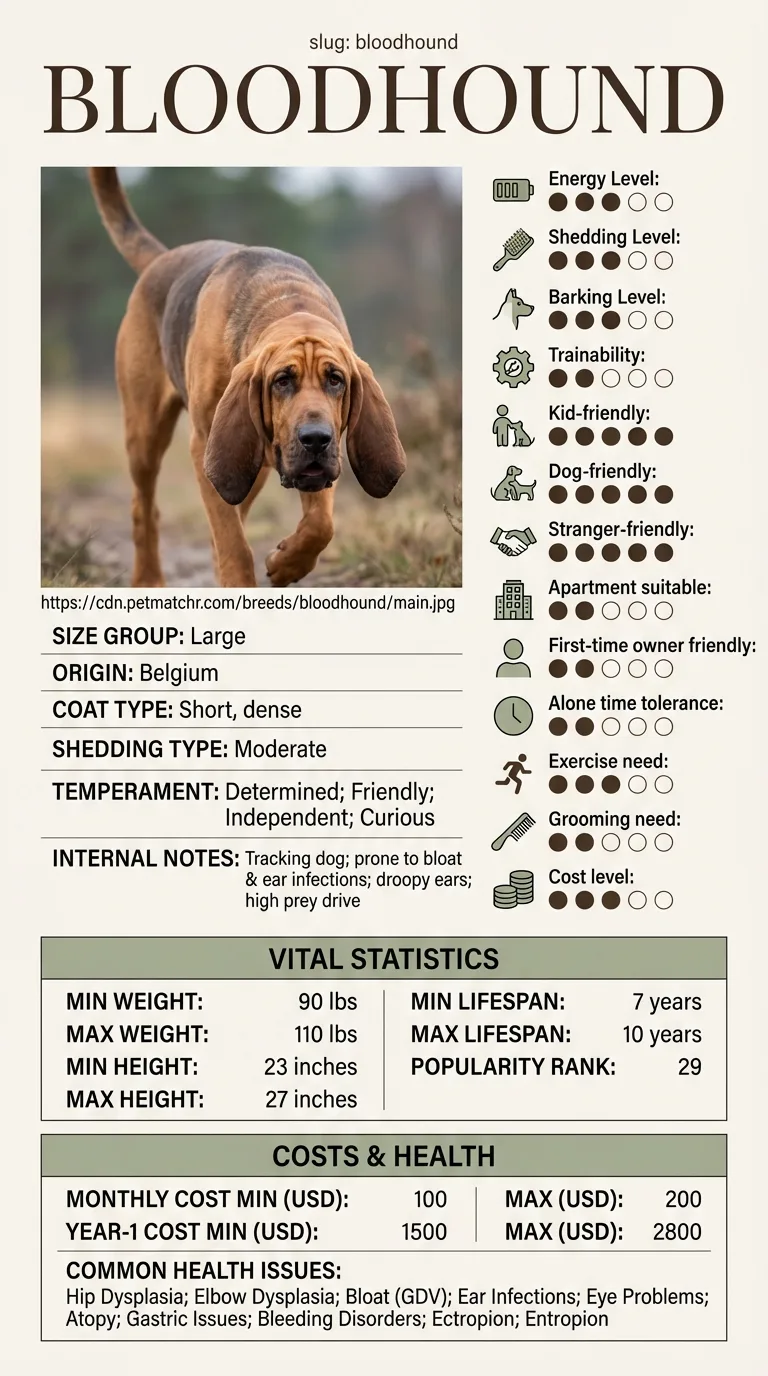
Bloodhounds are prone to various health issues, including esophageal disease, due to their unique anatomy and physiology. Their long, floppy ears can hinder swallowing, and their large size may contribute to issues like bloat, which can exacerbate esophageal problems. Additionally, their independent and curious nature can make them less focused during feeding, leading to improper eating habits.
Environmental factors like stress and feeding practices can also play a role. Bloodhounds that eat too quickly or are fed in a chaotic environment may develop esophageal disease. Moreover, changes in their routine or living conditions, such as moving to a new home or experiencing changes in the family dynamic, can increase their anxiety and worsen the condition.
If your Bloodhound exhibits symptoms like vomiting, regurgitation, or difficulty swallowing, consult your veterinarian immediately. They can assess the situation and recommend treatments or dietary adjustments to manage esophageal disease effectively.
Avoiding common mistakes can help manage Bloodhound esophageal disease effectively. Here are some behaviors to steer clear of and better alternatives.
Start here: Bloodhound Most Common Genetic Disorders: What to Screen For
See all Bloodhound health problems, which breeds are prone to esophageal disease, or the full Bloodhound breed guide for temperament, exercise needs and ownership costs.
It typically takes 2 to 6 months to see significant improvements in managing Bloodhound esophageal disease with consistent care and dietary changes.
Success means your Bloodhound can eat without discomfort, is able to gain weight, and has fewer vomiting episodes. You’ll notice they are more energetic and happier during meal times.
Jenna adopted Max, a Bloodhound, who had been diagnosed with esophageal disease. At first, mealtime was a struggle; Max would gulp his food and then vomit shortly after. Jenna felt helpless and frustrated, unsure of how to help him. After consulting with her vet, she learned about feeding strategies that could help, like using a slow feeder and elevating his food bowl. With patience and consistency, Jenna saw improvements within a few months. Max started to eat more comfortably and even gained weight, bringing joy back to their meal times.
Key takeaway: With the right strategies and a supportive vet, managing Bloodhound esophageal disease is possible. Consistency is key to seeing real improvements.
Bloodhound esophageal disease can occur due to various factors, including genetic predisposition and anatomical issues. This breed is prone to certain health conditions, so it's important to monitor their eating habits and any signs of distress. Consulting with a vet is crucial for a proper diagnosis.
To manage or prevent Bloodhound esophageal disease, consider feeding smaller, more frequent meals and using elevated bowls. This can help reduce the risk of bloat and other gastric issues. Always consult your vet for tailored advice.
Common signs of esophageal disease in Bloodhounds include difficulty swallowing, regurgitation, and excessive drooling. You might also notice your dog gagging or coughing after eating. If you see these symptoms, it’s best to consult your veterinarian.
Yes, a diet that is easy to digest and low in fat is often recommended. High-quality kibble or wet food can be beneficial, but always check with your vet before making changes. Adjusting portion sizes and feeding methods can also help.
Training techniques should focus on establishing a calm eating environment. Positive reinforcement can help your Bloodhound associate mealtime with relaxation. Avoiding excitement during feeding times is key.
While some mild cases may be managed at home with dietary changes, severe cases of Bloodhound esophageal disease often require veterinary intervention. It’s essential to follow your vet’s advice and not rely solely on home remedies. Always prioritize your pet's health.
There may be a genetic component to Bloodhound esophageal disease, particularly if it appears in multiple family members. However, environmental factors such as diet and feeding practices can also play a significant role. Regular check-ups can help monitor any potential issues.
To help prevent esophageal disease in your Bloodhound, consider feeding smaller, more frequent meals. Avoiding high-fat foods and ensuring your dog eats in an upright position can also be beneficial. Regular vet visits can help catch any early signs.
If your older Bloodhound shows symptoms of esophageal disease, it's crucial to see a vet promptly. Older dogs may have additional health concerns that could complicate treatment. Early detection can significantly improve outcomes.
Feed smaller meals more frequently and use elevated bowls to reduce strain on their esophagus.
While not all cases can be prevented, careful management of feeding routines can significantly reduce risks.
Regular check-ups with your vet can help monitor your Bloodhound's health and catch any early signs.
Implementing calm feeding routines and using positive reinforcement can help your Bloodhound feel more secure during meals.
Contact your veterinarian immediately for a thorough evaluation and treatment options.
A one-page prep sheet for this condition: the signs, the questions to ask, what to get priced. Unlocks here.
You get: Vet visit prep sheet
No spam. One-click unsubscribe. See our privacy policy.
Preview page 1 before you decide.