Bloodhound Bloat (Gastric Dilatation-Volvulus/GDV): What You Need to Know
Bloodhound bloat, also known as gastric dilatation-volvulus (GDV), is a serious and often life-threatening condition. It occurs when the stomach fills with gas, twists, and cuts off blood flow, which can happen quickly and without warning. (Bloodhound bloat (gastric dilatation-volvulus/gdv))
Typically, owners of large breeds like the Bloodhound face this issue. First-time pet parents and those unfamiliar with the breed’s health risks may find it particularly challenging to navigate. Understanding the signs of bloat and effective prevention methods is essential for every Bloodhound owner.
Important reminder
This guide is not medical advice. If your dog shows pain, sudden behavior change, or worsening symptoms, consult a licensed veterinarian.
Some links may be affiliate links. We may earn a commission at no extra cost to you. We only suggest products we believe are helpful for dog owners.
What this problem looks like
Bloodhound bloat, also known as gastric dilatation-volvulus (GDV), is a serious condition that can occur suddenly. It happens when a dog's stomach fills with gas and twists, cutting off blood supply and causing extreme pain. This can lead to shock and even death if not treated quickly. Symptoms include a distended abdomen, excessive drooling, restlessness, and attempts to vomit without success.
Common triggers
Eating too quickly or too much at once
Exercising immediately after meals
Stressful situations or changes in routine
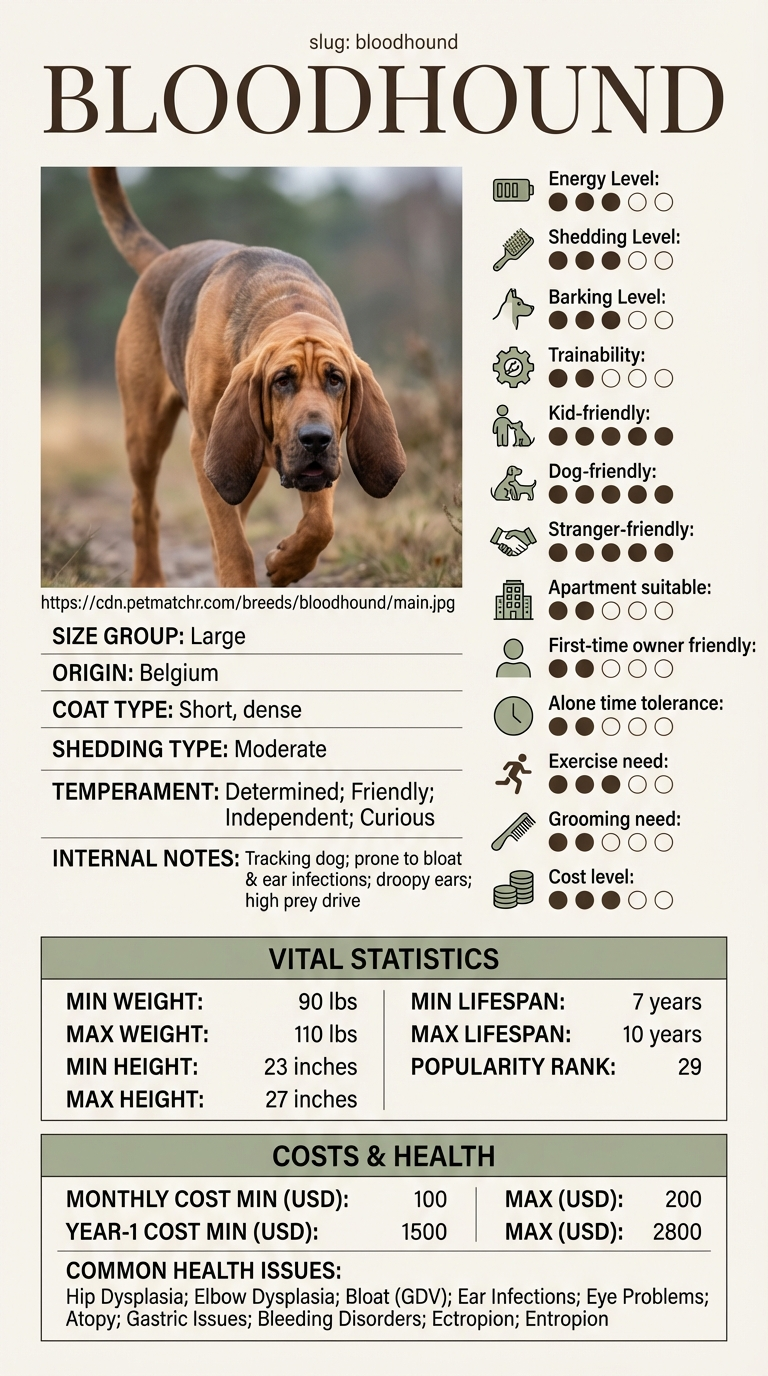
Bloat is a known risk in Bloodhounds, particularly due to their large size and deep chests. While not every Bloodhound will experience bloat, it is a significant concern for this breed, especially in middle-aged to older dogs.
Why this happens
Breed factors
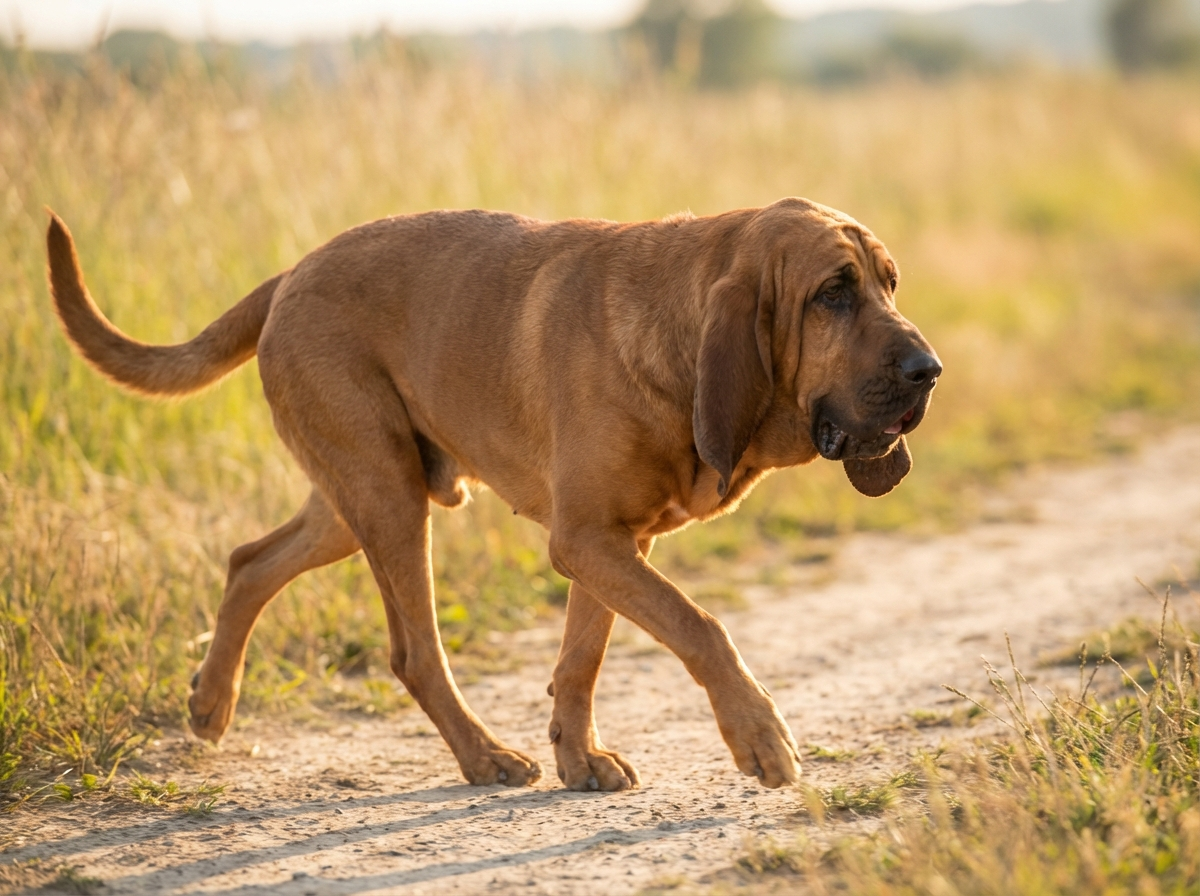
Bloodhounds are large dogs with deep chests, making them more prone to bloat (gastric dilatation-volvulus or GDV). Their tendency to gulp food quickly can also contribute to this condition. Additionally, their independent nature may lead them to ignore signs of discomfort.
Environment factors
Stressful environments, such as loud noises or changes in routine, can trigger bloat in Bloodhounds. Rapid eating or drinking, especially after vigorous exercise, can also increase the risk. Keeping them calm and monitoring their eating habits is crucial.
What you can try
At-home strategies
Feed smaller, more frequent meals instead of one or two large meals daily. This helps reduce the amount of air gulped during eating.
Use a slow-feed bowl to make them eat at a more controlled pace. This can prevent rapid eating and reduce the risk of bloat.
Limit water intake right after meals to lessen the chances of bloating. Wait at least an hour after meals before allowing them to drink freely.
Create a calm feeding environment. Ensure that your Bloodhound eats in a quiet space to reduce stress while eating.
When to consider a trainer
If your Bloodhound continues to exhibit signs of anxiety during meals or shows extreme food aggression, it may be time to consult a professional trainer. A trainer can help address these behaviors and create a more positive feeding routine.
When to talk to your vet
If you notice signs of bloat, such as a distended abdomen, restlessness, excessive drooling, or attempts to vomit without success, seek immediate veterinary attention. Bloat is a medical emergency that requires prompt treatment.
Realistic expectations
You should see improvements in your Bloodhound's bloat management within a few weeks of implementing training and dietary changes.
Success means your Bloodhound shows fewer signs of discomfort, can eat without issues, and has regular vet check-ups with no serious health concerns related to bloat.
Mistakes that make this worse – Bloodhound bloat (gastric dilatation-volvulus/gdv)
Avoiding these common mistakes can help manage Bloodhound bloat effectively. Here are some behaviors to watch out for.
Feeding large meals at once: This can increase the risk of bloat. Instead, feed smaller, more frequent meals throughout the day.
Exercising immediately after eating: Engaging in vigorous activity too soon can lead to bloat. Wait at least an hour after meals before exercising your Bloodhound.
Allowing rapid eating: If your Bloodhound gulps down food, it can swallow air. Use a slow feeder bowl to encourage slower eating habits.
Ignoring signs of discomfort: Symptoms like restlessness or a swollen belly shouldn't be overlooked. If you notice these signs, contact your vet right away.
Not staying aware of food choices: Certain foods can trigger bloat. Stick to high-quality dog food and avoid table scraps that might upset their stomach.
Neglecting regular vet check-ups: Routine visits can help catch potential issues early. Schedule annual check-ups and discuss any changes in behavior with your vet.
Forgetting to monitor water intake: Dehydration can worsen gastric issues. Ensure your Bloodhound has access to fresh water, especially after exercise.
When Bloodhound Bloat (GDV) is an Emergency
Bloodhound bloat, or gastric dilatation-volvulus (GDV), can be a serious condition that requires immediate veterinary attention. It's crucial to recognize the red flags that indicate an emergency versus milder signs you can monitor at home. If your Bloodhound shows any of the following severe symptoms, call your vet immediately.
First, look for signs of acute distress. If your dog is pacing, whining excessively, or attempting to vomit without success, these can be critical indicators. Additionally, a swollen abdomen or signs of shock, such as weakness or rapid breathing, are urgent red flags. If your Bloodhound collapses or seems lethargic, do not wait; get to a vet right away.
On the other hand, if your dog shows mild symptoms like occasional drooling or slight discomfort after eating, you may be able to monitor the situation at home. Keep an eye on their behavior and appetite, and try to identify triggers like rapid eating or certain foods. Make adjustments in feeding routines, such as smaller meals or using a slow feeder, to help prevent the situation from escalating. However, if mild symptoms persist or worsen, consult your vet for guidance.
Bloodhound Bloat (Gastric Dilatation-Volvulus/GDV): What You Need to Know - When Bloodhound Bloat (GDV) is an Emergency
Ava's Journey with Bloodhound Bloat
Ava, a dedicated dog mom in Seattle, noticed her Bloodhound, Max, frequently seemed bloated and uncomfortable after meals. Concerned about bloat (gastric dilatation-volvulus/GDV), she consulted her vet and learned that some dietary adjustments and slow feeding techniques could help. By switching to smaller, more frequent meals and using a slow feeder bowl, Max's symptoms improved significantly within a month, and he became more active and playful.
Key takeaway: Managing Bloodhound bloat requires proactive dietary changes and vet guidance, leading to happier and healthier pups.
Frequently asked questions
Why does my Bloodhound have bloat (gastric dilatation-volvulus/gdv)?
Bloodhound bloat (gastric dilatation-volvulus/GDV) occurs when the stomach fills with gas and twists. This can happen due to eating too quickly, exercising after meals, or genetic predisposition. If your Bloodhound shows signs like a swollen abdomen or restlessness, seek veterinary help immediately.
How can I stop Bloodhound bloat (gastric dilatation-volvulus/gdv)?
To prevent Bloodhound bloat, feed smaller, more frequent meals instead of one large one. Avoid vigorous activity right after meals and consider using a slow feeder bowl. Monitoring your dog's eating habits can also help reduce the risk.
What are the symptoms of bloat (gastric dilatation-volvulus/gdv) in Bloodhounds?
Symptoms include a distended belly, excessive drooling, restlessness, and signs of pain. Bloodhounds may also try to vomit but cannot produce anything. If you notice these symptoms, contact your vet immediately.
What is the treatment for Bloodhound bloat (gastric dilatation-volvulus/gdv)?
Treatment often involves emergency surgery to untwist the stomach and remove excess gas. The cost can range from $1,500 to $7,500. Early intervention is crucial for a successful outcome.
Can Bloodhound bloat (gastric dilatation-volvulus/gdv) be hereditary?
Yes, bloat can have a genetic component. If your Bloodhound has a family history of GDV, they may be at higher risk. Discuss your concerns with your vet for personalized advice.
What are the early signs of Bloodhound bloat (gastric dilatation-volvulus/gdv)?
Early signs of Bloodhound bloat include restlessness, pacing, and trying to vomit without success. You might also notice a swollen abdomen and excessive drooling. If you see these symptoms, contact your vet immediately.
Can older Bloodhounds be more prone to bloat (gastric dilatation-volvulus/gdv)?
Yes, older Bloodhounds may be more prone to bloat due to age-related changes in their digestive system. It's important to monitor their eating habits and watch for any sudden changes in behavior. Regular vet check-ups can help catch issues early.
How can I prevent Bloodhound bloat (gastric dilatation-volvulus/gdv) in my dog?
To help prevent Bloodhound bloat, feed smaller meals throughout the day rather than one large meal. Avoid vigorous exercise right after meals and consider using elevated food bowls. Always consult your vet for personalized advice.
What should I do if my Bloodhound shows signs of bloat (gastric dilatation-volvulus/gdv)?
If your Bloodhound shows signs of bloat, seek emergency veterinary care immediately. Bloat can progress quickly, leading to severe complications. Time is critical, so don’t wait to see if the symptoms resolve.
Is bloat (gastric dilatation-volvulus/gdv) hereditary in Bloodhounds?
Bloat can have a hereditary component in Bloodhounds, especially if they have family history of the condition. While genetics play a role, environmental factors and feeding practices also contribute. Discuss any concerns with your vet to understand your dog's risk.
What are some Bloodhound bloat (gastric dilatation-volvulus/gdv) quick tips?
Feed smaller meals throughout the day and avoid exercise right after eating. Monitor your dog's behavior for any signs of distress. Regular vet check-ups can also help catch issues early.
Health
How can I recognize Bloodhound bloat (gastric dilatation-volvulus/gdv)?
Look for a swollen abdomen, excessive drooling, and restlessness. Quick recognition can save your dog's life, so always consult a vet if you're concerned.
Living
Is Bloodhound bloat (gastric dilatation-volvulus/gdv) common?
Yes, Bloodhounds are prone to bloat due to their size and body structure. Understanding this risk is key to being a responsible pet owner.
Health
What should I do if my Bloodhound shows signs of bloat (gastric dilatation-volvulus/gdv)?
Contact your vet immediately. Do not wait, as bloat is a medical emergency that requires urgent treatment.
Related DogBreedCompass guides
Bloodhound behavior problems – Learn more about Bloodhound behavior and ways to manage them.
how to stop Bloodhound bloat (gastric dilatation-volvulus/gdv) – Explore effective training techniques to help prevent Bloodhound bloat.
why does my Bloodhound have bloat (gastric dilatation-volvulus/gdv) – Understand the signs and causes of bloat in Bloodhounds.
Bloodhound separation anxiety guide – Find out how to manage separation anxiety in your Bloodhound.
Bloodhound cost breakdown – Check out costs related to owning a Bloodhound and potential health issues.