Behavior
How to stop Bernedoodle von willebrand's disease (vwd1)?
You cannot stop vwd1, but regular vet visits and a safe environment can help manage it.
Bernedoodle von Willebrand's disease (vWD1) is a genetic bleeding disorder that can affect your dog's health and well-being.
Owners of Bernedoodles, especially first-time dog parents or those unfamiliar with genetic disorders, may find this condition challenging. It can be especially worrying for families with children or other pets, as the risks of bleeding can impact everyone.
This guide is not medical advice. If your dog shows pain, sudden behavior change, or worsening symptoms, consult a licensed veterinarian.
Some links may be affiliate links. We may earn a commission at no extra cost to you. We only suggest products we believe are helpful for dog owners.
Bernedoodle von Willebrand's disease (vWD1) is a genetic bleeding disorder that affects the dog's ability to clot blood properly. This can lead to excessive bleeding from minor injuries, nosebleeds, or even spontaneous bleeding. Owners may notice their Bernedoodle being unusually lethargic or having difficulty recovering from cuts and scrapes.
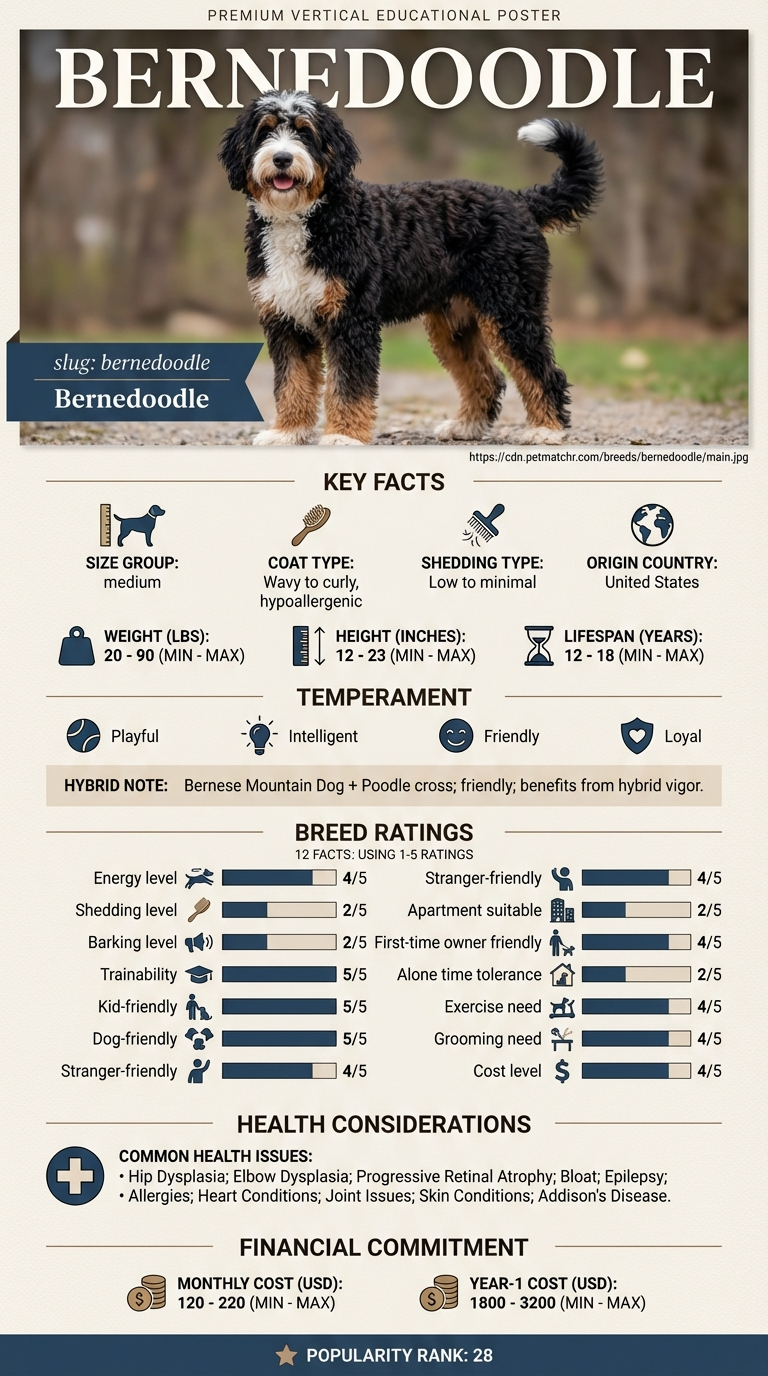
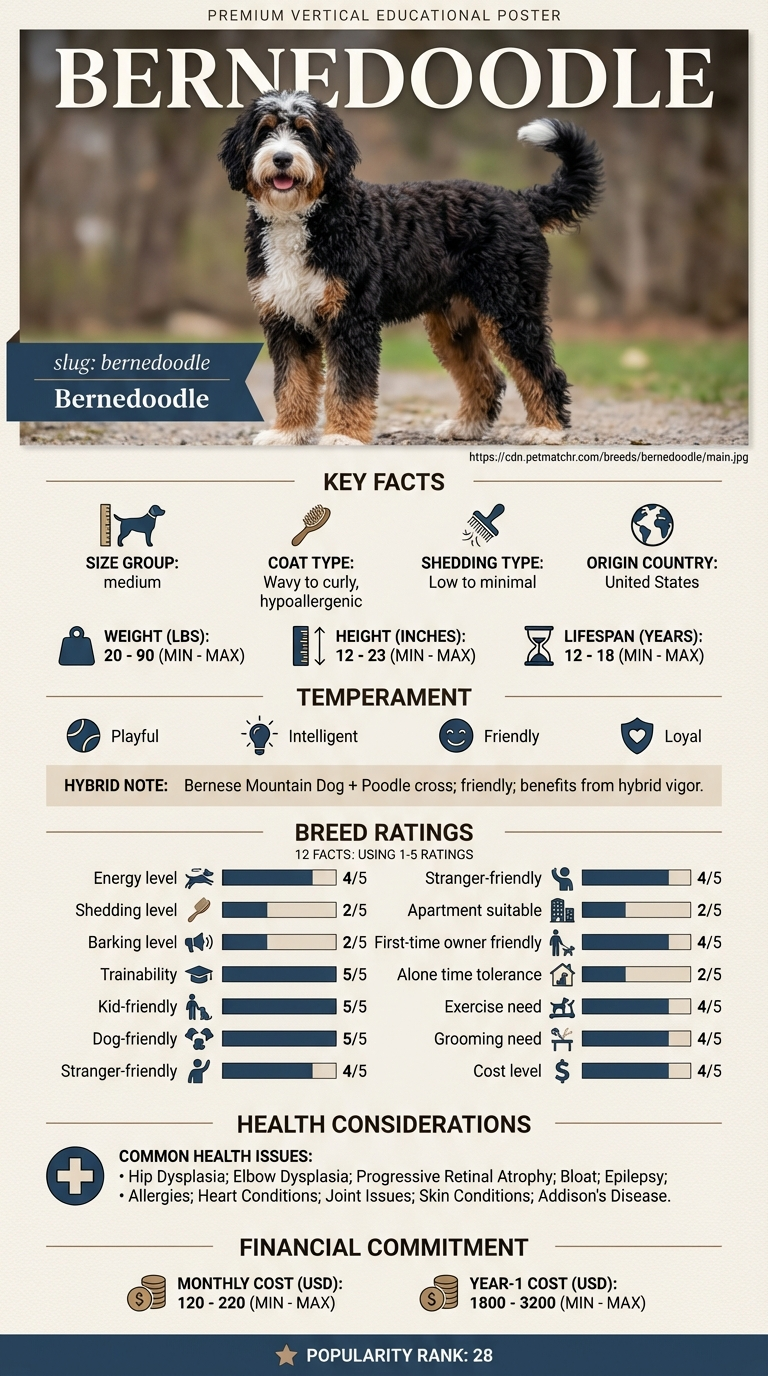
Von Willebrand's disease (vWD1) is relatively common in Bernedoodles due to their genetic background. This breed can inherit the condition from their parent breeds, particularly the Poodle and Bernese Mountain Dog, making awareness crucial for prospective owners.
Bernedoodles can inherit von Willebrand's disease (vWD1) from their parent breeds, the Bernese Mountain Dog and the Poodle. This genetic bleeding disorder affects blood clotting, making them more prone to excessive bleeding.
While vWD1 is primarily genetic, environmental factors like stress and injury can exacerbate symptoms. A stressful environment may increase the likelihood of bleeding episodes, especially if your Bernedoodle is active or prone to accidents.
If your Bernedoodle is showing signs of anxiety or stress related to their condition, a professional trainer can help. Look for trainers with experience in working with dogs that have health issues.
Contact your vet if you notice any signs of excessive bleeding or if your Bernedoodle is lethargic or not eating. Regular check-ups are essential for monitoring their condition and adjusting care as needed.
Managing Bernedoodle von Willebrand's disease (vwd1) usually takes several months. Regular vet visits and consistent training can lead to noticeable improvements within 3 to 6 months.
Success means your Bernedoodle can engage in safe activities without excessive bleeding risks. You'll see your dog enjoying life with manageable symptoms and a better quality of life.
Understanding what not to do can help manage your Bernedoodle's von Willebrand's disease (vWD1). Here are common mistakes that may worsen the condition and safer alternatives you can adopt.
Knowing when Bernedoodle von Willebrand's disease (vWD1) is an emergency can save your dog's life. If your Bernedoodle shows signs of excessive bleeding, such as from the gums or nose, it’s crucial to call your vet immediately. Other red flags include blood in the urine or stool, or if your dog becomes lethargic and weak after a minor injury.
In less severe cases, you can monitor your Bernedoodle for signs of vWD1 without rushing to the vet. If your dog has minor bleeding from a cut that quickly stops or if they are otherwise active and healthy, keep a close eye on them. It’s important to have a plan in place with your vet, especially if your dog has previously been diagnosed with vWD1.
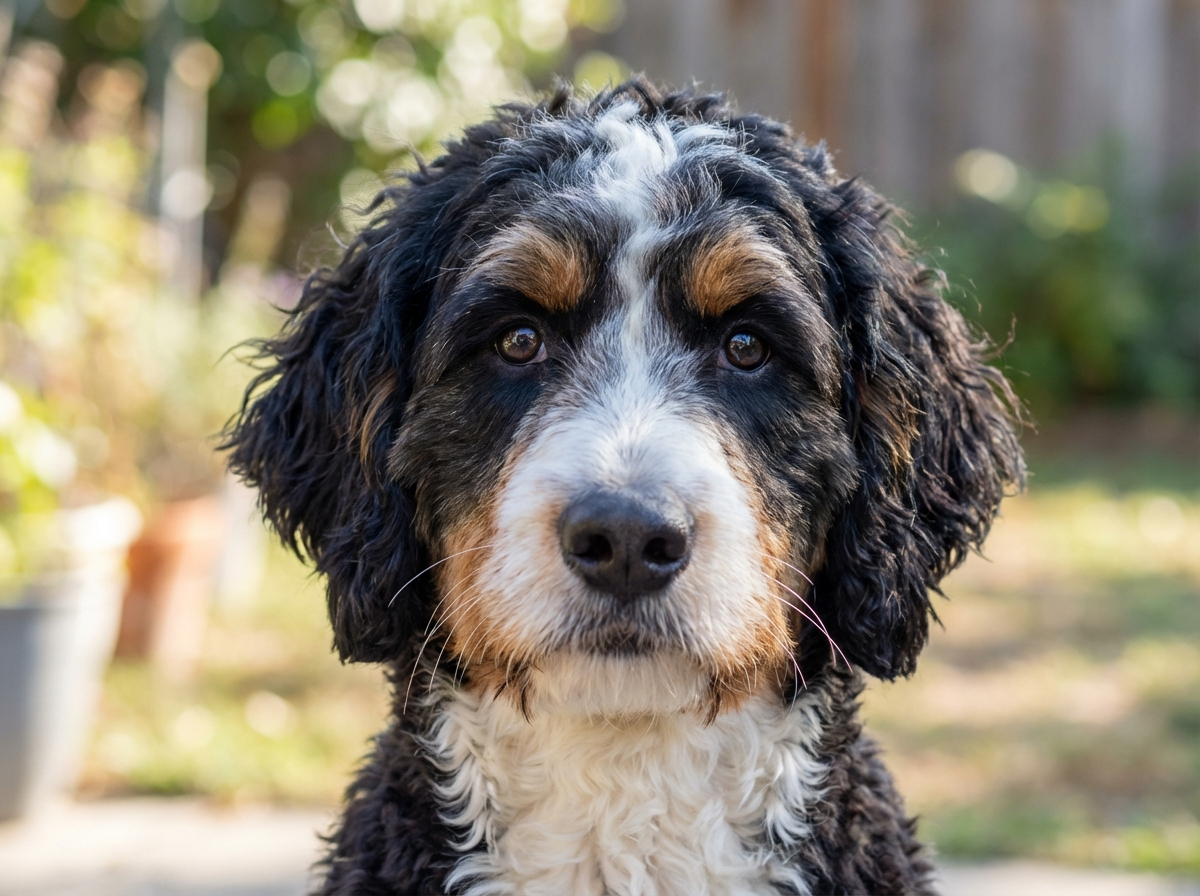
The Johnson family adopted a Bernedoodle named Charlie, only to discover he had von Willebrand's disease (vwd1). Initially overwhelmed, they consulted their vet for a tailored care plan. With regular check-ups and proper training to minimize risky activities, the family learned how to keep Charlie safe. Over time, they adapted their lifestyle and found that with the right precautions, Charlie could still enjoy walks and playtime, albeit with some modifications.
Key takeaway: Understanding and managing Bernedoodle von Willebrand's disease (vwd1) allows for a happy life. Consistent veterinary care and training are essential for navigating this genetic condition.
Bernedoodle von willebrand's disease (vwd1) is a genetic bleeding disorder that affects the blood's ability to clot. This condition can lead to excessive bleeding, which may occur after injuries or surgeries. Regular vet check-ups and genetic testing can help manage this disease.
Bernedoodles inherit von willebrand's disease (vwd1) from their parents, as it is a genetic condition. If both parents are carriers of the gene, there is a higher chance their puppies will develop this disorder. Breeding practices that involve testing can help reduce the risk.
To help your Bernedoodle with vwd1, ensure they receive regular veterinary check-ups and maintain a safe environment to prevent injuries. Your vet may recommend a special diet or medications to support blood health. Being aware of symptoms, such as bleeding gums or nosebleeds, is essential.
There is no cure for Bernedoodle von willebrand's disease (vwd1), but treatment can help manage symptoms. Your veterinarian may suggest medications to improve clotting or recommend blood transfusions in severe cases. Ongoing veterinary care is crucial for managing this condition.
Signs of von willebrand's disease (vwd1) in Bernedoodles can include excessive bleeding from cuts, bruising easily, or prolonged bleeding after surgery. If you notice any of these symptoms, consult your veterinarian for an evaluation.
Signs of von Willebrand's disease (vWD1) can include excessive bleeding from minor cuts, prolonged bleeding after surgery, and frequent nosebleeds. If you notice these symptoms, it's important to consult your vet for further evaluation.
Unfortunately, von Willebrand's disease (vWD1) is a genetic condition, so it cannot be prevented. However, responsible breeding practices can help reduce the incidence of this disease in future generations.
While von Willebrand's disease (vWD1) can be serious, many Bernedoodles with this condition live normal lives with proper management. Regular vet check-ups and being cautious with activities that could lead to injury are essential.
Diagnosis of von Willebrand's disease (vWD1) typically involves a blood test to measure the level of von Willebrand factor. Your vet will recommend this test if they suspect your Bernedoodle has the condition based on clinical signs.
Treatment for Bernedoodles with von Willebrand's disease (vWD1) may include medication to help manage bleeding, as well as lifestyle adjustments. Severe cases might require surgical intervention, so it's important to discuss all options with your vet.
You cannot stop vwd1, but regular vet visits and a safe environment can help manage it.
Costs may include regular vet check-ups, medications, and possible emergency treatments, typically ranging from $120 to $220 monthly.
Yes, training is essential to ensure your Bernedoodle follows commands, helping you manage their behavior safely.
Avoid activities that could lead to injuries, like rough play or areas with sharp objects, to minimize bleeding risks.