Health
What are quick tips for managing Bernedoodle genetic disorders?
Regular vet visits, a healthy diet, and appropriate exercise can help manage genetic disorders in Bernedoodles.

Quick answer
What are quick tips for managing Bernedoodle genetic disorders?
Regular vet visits, a healthy diet, and appropriate exercise can help manage genetic disorders in Bernedoodles.
Bernedoodles can face several common genetic disorders that impact their health and happiness. Knowing these issues is crucial for responsible ownership.

New Bernedoodle owners or those unfamiliar with the breed may struggle to identify these genetic disorders. Additionally, families with busy lifestyles might find it challenging to manage a dog's health needs, especially if they aren't aware of what to look out for.
This guide is not medical advice. If your dog shows pain, sudden behavior change, or worsening symptoms, consult a licensed veterinarian.
Some links may be affiliate links. We may earn a commission at no extra cost to you. We only suggest products we believe are helpful for dog owners.
We research and check what we publish, but we do not warrant that any figure, date, price, or statement is accurate, complete, or current, and we accept no liability for any loss, cost, injury, or other harm arising from the use of this site. Use it as one reference among several. You remain responsible for your own decisions and for your dog's care - confirm anything that matters with a licensed veterinarian or another qualified professional before you act on it. Full disclaimer.
Check this first
Call your vet right away if your Bernedoodle shows any of these red-flag signs: - Difficulty breathing or rapid panting - Excessive vomiting or diarrhea, especially if it’s bloody - Signs of severe pain, such as whining or inability to move - Swelling of the abdomen, which could indicate bloat - Seizures or loss of consciousness These symptoms can indicate serious conditions that require urgent care.
On the other hand, if your Bernedoodle has mild symptoms like slight lethargy or a small amount of vomiting, you can monitor them at home. Make sure they stay hydrated and comfortable. Keep an eye on their behavior for any changes over the next 24 hours. If symptoms worsen or new ones arise, don’t hesitate to contact your vet for advice. It’s better to be safe than sorry when it comes to your dog's health.
If any of these apply, call your vet or an emergency clinic now. The rest of this page is for the cases that are not an emergency.
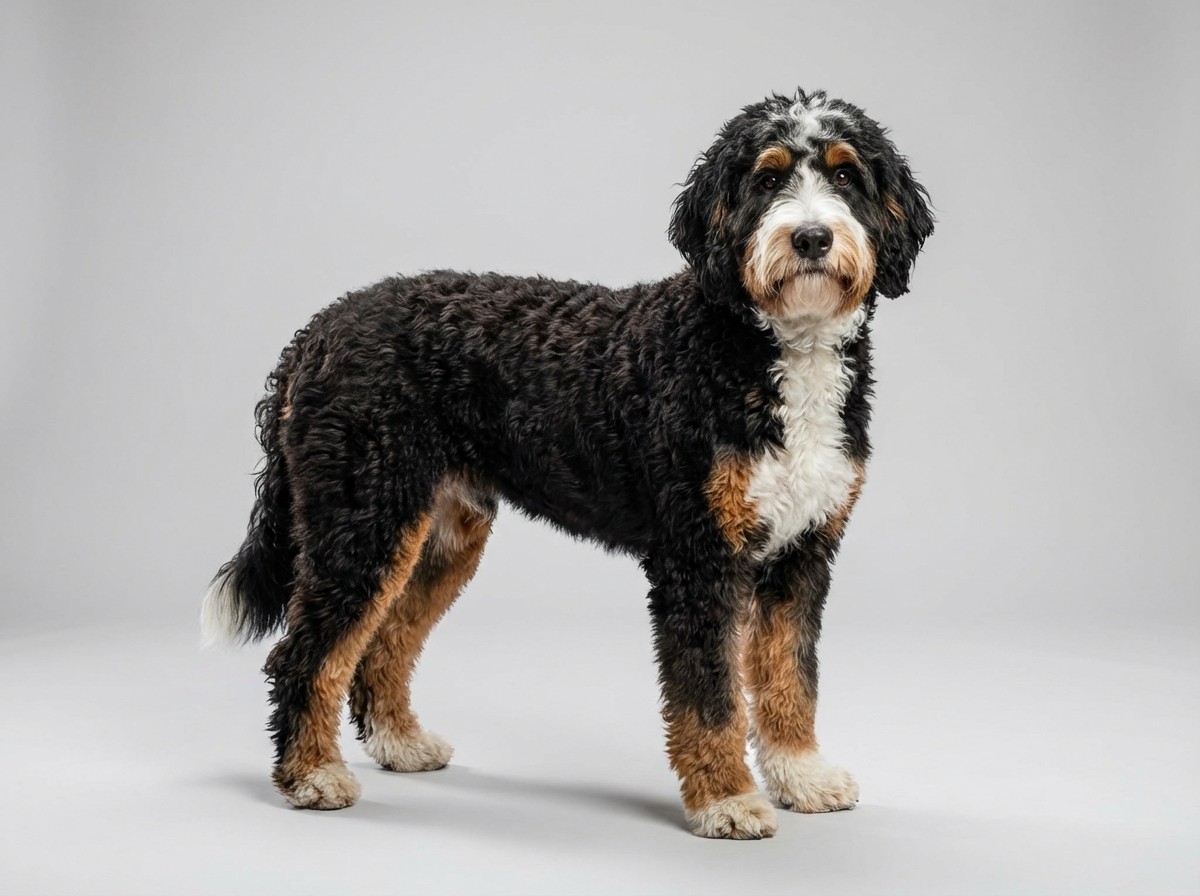
The Bernedoodle is a delightful mix of the Bernese Mountain Dog and Poodle, but like any breed, it's prone to certain genetic disorders. Common issues include hip and elbow dysplasia, progressive retinal atrophy, and bloat. Owners may notice signs like difficulty walking, changes in appetite, or unusual behaviors, which can lead to worry about their dog's health.
While not every Bernedoodle will face these disorders, they are relatively common due to the genetic predispositions inherited from their parent breeds. Regular check-ups and attention to any health signs can help manage these risks.
Bernedoodles are a cross between a Bernese Mountain Dog and a Poodle. This mix can inherit genetic disorders common to both breeds. Some of the most common issues include hip dysplasia, elbow dysplasia, and progressive retinal atrophy.
Environmental factors also play a significant role in your Bernedoodle's health. Poor nutrition, lack of exercise, and insufficient healthcare can exacerbate any genetic predispositions. Stressful environments can contribute to health problems, making it essential to provide a stable home.
Talk to your vet if you notice any unusual symptoms, such as limping, changes in appetite, or frequent lethargy. Early intervention can help manage genetic disorders before they worsen.
When dealing with Bernedoodle most common genetic disorders, some owner behaviors can inadvertently worsen the situation. Here are key mistakes to avoid.
See all Bernedoodle health problems, which breeds are prone to most common genetic disorders, or the full Bernedoodle breed guide for temperament, exercise needs and ownership costs.
Expect to see improvements in your Bernedoodle's health and behavior over 3 to 6 months with proper care and follow-up.
Success means your dog is healthier, more active, and you have a better understanding of managing or preventing genetic disorders.
Maria adopted Max, a Bernedoodle, and quickly noticed he had been diagnosed with hip dysplasia. Initially overwhelmed, she consulted her vet for advice. With a tailored exercise plan and a balanced diet, she saw gradual improvement in Max’s mobility over several months. She also joined a local training group to better manage Max’s symptoms and reduce anxiety. Now, Max enjoys longer walks and plays without discomfort, bringing joy to both Maria and her family.
Key takeaway: With the right support and resources, managing genetic disorders in Bernedoodles can lead to a happier and healthier life for your pet.
The most common genetic disorders in Bernedoodles include hip dysplasia, elbow dysplasia, and progressive retinal atrophy. They may also face issues like bloat, epilepsy, and allergies. Regular vet check-ups and genetic testing can help identify these problems early. This answer relates to Bernedoodle most common genetic disorders.
While you can't prevent genetic disorders entirely, choosing a reputable breeder is crucial. A good breeder screens for genetic health issues and can provide information on the puppy's lineage. Regular exercise and a balanced diet can also support their overall health.
Genetic disorders in Bernedoodles often stem from inherited traits from their parent breeds, the Bernese Mountain Dog and Poodle. Some disorders, like hip dysplasia, are more common in certain breeds. Understanding your dog's family history can help manage potential health risks.
If your Bernedoodle shows signs of a genetic disorder, such as limping or vision problems, contact your vet immediately. They can recommend diagnostic tests and treatment options. Early intervention can make a significant difference in your dog's quality of life.
While training can't cure genetic disorders, it can help manage certain behaviors related to them. For example, positive reinforcement can encourage gentle movements for dogs with joint issues. Consulting with a professional trainer experienced in handling dogs with health concerns may be beneficial.
Early signs of genetic disorders in Bernedoodles can include unusual lethargy, difficulty in movement, or changes in appetite. If you notice these symptoms, it's essential to consult your vet for a thorough examination.
Yes, as Bernedoodles age, they may develop conditions like hip dysplasia or heart problems. Regular vet check-ups can help catch these issues early and manage them effectively.
A balanced diet rich in omega fatty acids can promote joint health and overall wellness in Bernedoodles. Always consult your vet for a diet tailored to your dog's specific needs, especially if they have a genetic disorder.
If your Bernedoodle is diagnosed with a genetic disorder, follow your vet's recommendations for treatment and management. Regular check-ups and monitoring can help manage symptoms and improve your dog's quality of life.
Regular vet visits, a healthy diet, and appropriate exercise can help manage genetic disorders in Bernedoodles.
Expect monthly costs between $120 and $220 for a Bernedoodle, but this can increase with medical needs due to genetic disorders.
Yes, training can help address behavior issues, especially if they stem from pain or discomfort due to genetic disorders.
Signs can include limping, lethargy, or changes in appetite. Always consult your vet if you notice these symptoms.
A one-page prep sheet for this condition: the signs, the questions to ask, what to get priced. Unlocks here.
You get: Vet visit prep sheet
No spam. One-click unsubscribe. See our privacy policy.
Preview page 1 before you decide.