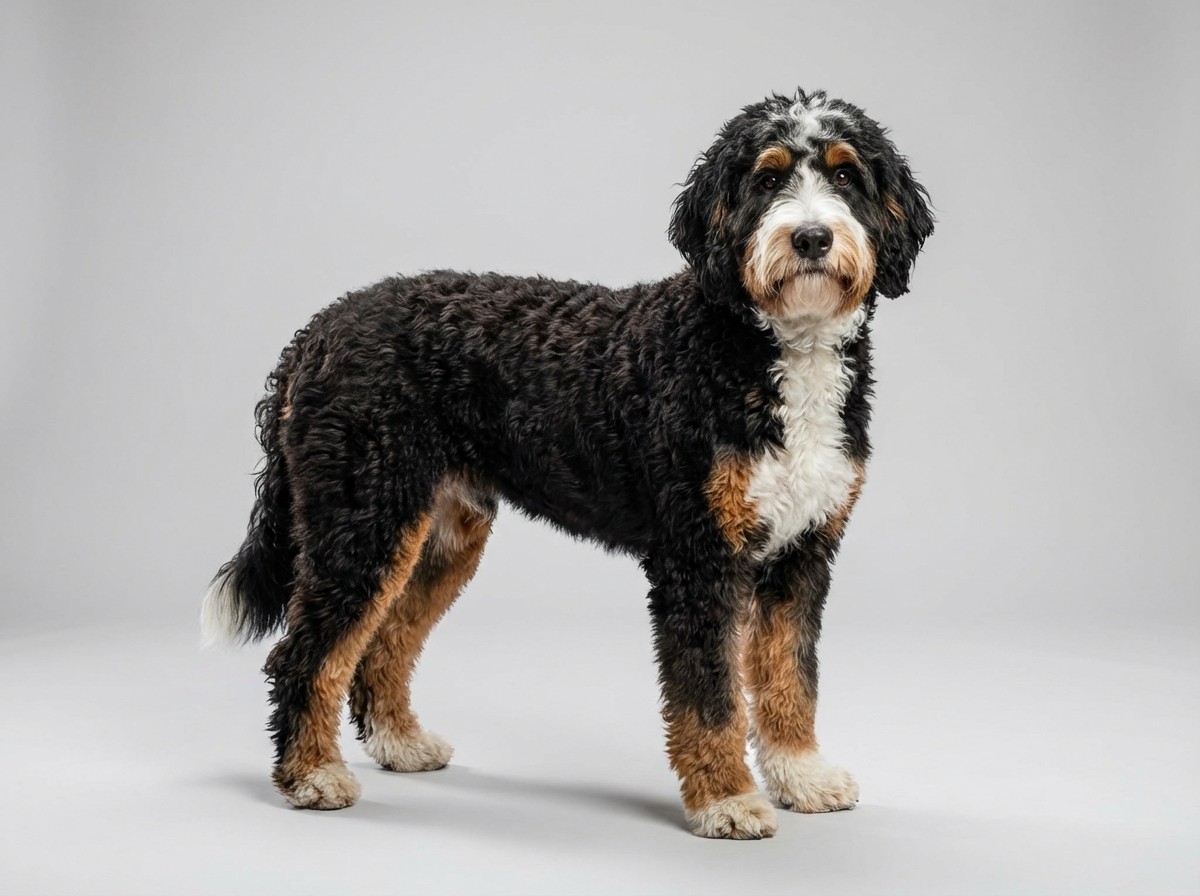
Costs
How can I reduce Bernedoodle insurance claims?
Focus on preventive care, maintain a healthy diet, and address behavior issues early to reduce claims.

Quick answer
How can I reduce Bernedoodle insurance claims?
Focus on preventive care, maintain a healthy diet, and address behavior issues early to reduce claims.
Bernedoodle insurance claims can be a headache for owners. Understanding why these claims happen is crucial for your peace of mind.
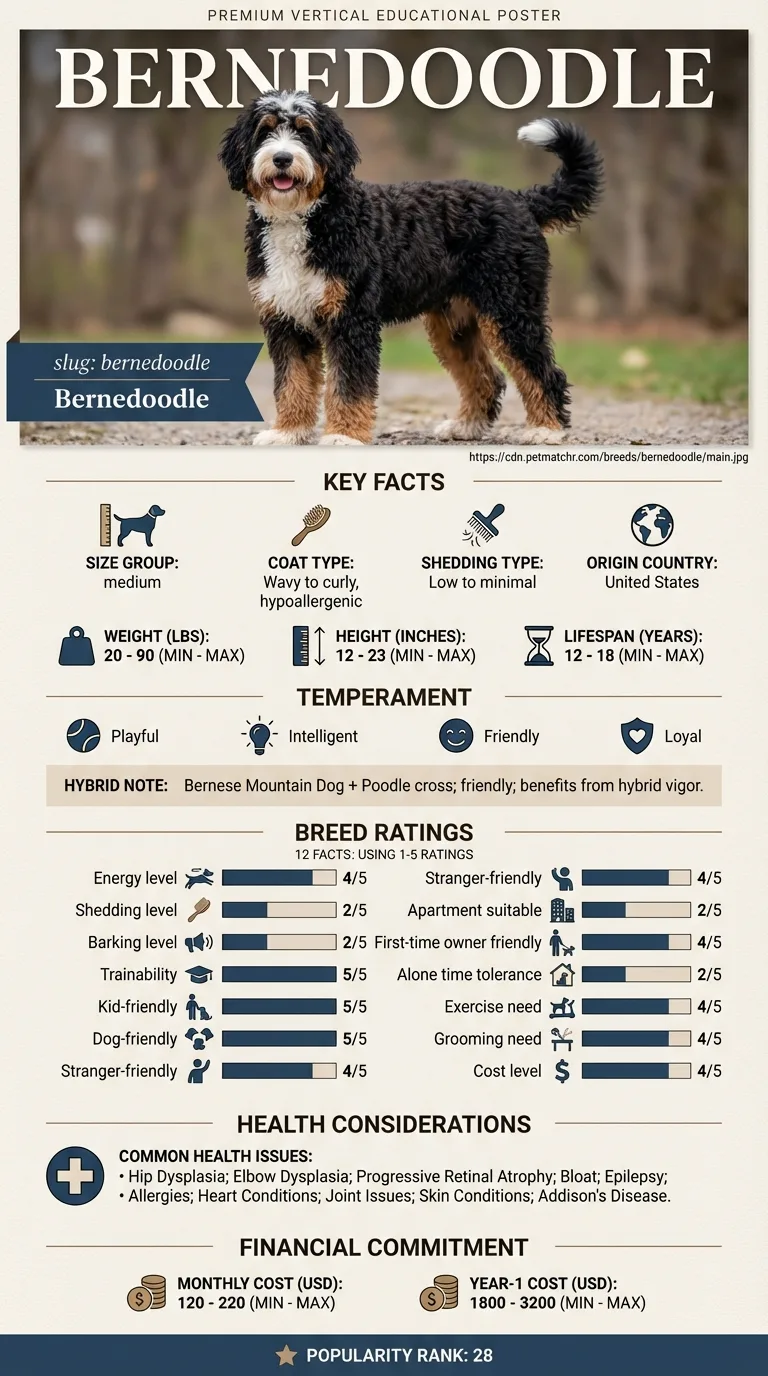
New Bernedoodle owners, busy families, or anyone unfamiliar with pet insurance often struggle with unexpected claims. They may find themselves confused about what is covered and how to address health concerns.
This guide is not medical advice. If your dog shows pain, sudden behavior change, or worsening symptoms, consult a licensed veterinarian.
Some links may be affiliate links. We may earn a commission at no extra cost to you. We only suggest products we believe are helpful for dog owners.
We research and check what we publish, but we do not warrant that any figure, date, price, or statement is accurate, complete, or current, and we accept no liability for any loss, cost, injury, or other harm arising from the use of this site. Use it as one reference among several. You remain responsible for your own decisions and for your dog's care - confirm anything that matters with a licensed veterinarian or another qualified professional before you act on it. Full disclaimer.
Check this first
Understanding when to seek immediate help for your Bernedoodle is crucial. Some situations require a vet's attention right away, while others can be monitored at home. Here’s how to distinguish between emergencies and less urgent situations.
If any of these apply, call your vet or an emergency clinic now. The rest of this page is for the cases that are not an emergency.
Bernedoodle insurance claims can be a frustrating reality for owners. These claims often arise from common health issues like hip dysplasia or allergies. The day-to-day impact can include frequent vet visits and unexpected expenses, adding stress to your life as a pet parent.
Bernedoodles, while generally healthy, can have higher insurance claims due to their mixed breed heritage. It's not unusual for owners to face claims related to the breed's common health concerns.
Bernedoodles often face genetic health issues like hip dysplasia, elbow dysplasia, and skin conditions. These can lead to higher insurance claims as they may require more frequent vet visits and treatments. Additionally, their friendly and playful nature can lead to accidents or injuries, increasing the likelihood of claims.
The environment also plays a role in insurance claims. If a Bernedoodle is in a busy household or a small apartment, they may experience more excitement or stress. This can lead to behavioral issues, which might require vet visits or training, further contributing to claims.
Talk to your vet if your Bernedoodle shows signs of illness or injury, such as limping, excessive scratching, or changes in appetite. Early intervention can prevent more serious health problems and reduce insurance claims.
Avoiding certain common behaviors can help reduce Bernedoodle insurance claims. Here are some mistakes to avoid and better alternatives.
Start here: Bernedoodle Most Common Genetic Disorders: Screening
See all Bernedoodle health problems, which breeds are prone to insurance claims, or the full Bernedoodle breed guide for temperament, exercise needs and ownership costs.
You can expect to see improvements in your Bernedoodle's behavior within 4 to 6 weeks of consistent care and follow-up with your vet.
Success means your Bernedoodle will have fewer behavioral issues that lead to insurance claims, and you’ll feel more confident in managing their needs.
If your Bernedoodle shows any of these signs, don’t hesitate to call your vet immediately: - Sudden lethargy or weakness. - Difficulty breathing or persistent coughing. - Swelling of the abdomen, which could indicate bloat. - Severe vomiting or diarrhea lasting more than a few hours. - Signs of severe pain, like whining or a tucked tail.

For less severe situations, you might choose to monitor your Bernedoodle at home. These include: - Mild gastrointestinal upset with no other symptoms. - Occasional sneezing or coughing without distress. - Minor skin irritations or allergies that don’t worsen. - Temporary changes in behavior that last a few days but resolve quickly. - Recent minor injuries that don’t seem serious.

When Sarah adopted Bella, her Bernedoodle, she noticed that Bella struggled with anxiety and was prone to destructive behavior. This led to several insurance claims for damage caused by her anxious barking and chewing. After researching, Sarah began implementing a structured training program focused on anxiety management and behavioral reinforcement. Within weeks, Bella responded positively to the training, showing less anxiety when left alone. Sarah also made adjustments to Bella's environment, providing her with engaging toys and a comfortable space to relax. Over time, the number of claims decreased significantly, and Sarah felt a renewed bond with her furry friend.
Key takeaway: With patience and the right training techniques, you can effectively reduce your Bernedoodle's anxiety and minimize insurance claims.
Bernedoodles can have higher insurance claims due to their genetic predisposition to certain health issues. Common problems include hip dysplasia and allergies, which can lead to costly treatments. Regular vet check-ups can help catch these issues early.
To reduce insurance claims, focus on preventive care like regular vet visits and a healthy diet. Training your Bernedoodle to manage anxiety can also help avoid behavior-related claims. Consider consulting a trainer for specific behavioral strategies.
Bernedoodles may face issues like hip and elbow dysplasia, progressive retinal atrophy, and skin conditions. Being aware of these can help you monitor your dog's health and address issues quickly. Regular check-ups are key.
Insurance for Bernedoodles can be worth it due to potential high veterinary costs. If you choose insurance, look for a plan that covers breed-specific conditions. Always compare different policies to find one that suits your needs.
If your Bernedoodle requires surgery, first contact your vet to discuss the situation. Make sure you understand your insurance coverage and file a claim as soon as possible. Keeping all receipts and documentation will help streamline the claims process.
Common reasons for Bernedoodle insurance claims include hip dysplasia, allergies, and joint issues. These conditions can arise due to their genetic background and activity level. Regular vet check-ups can help catch these issues early.
To reduce the likelihood of insurance claims for your Bernedoodle, focus on preventive care. This includes regular exercise, a balanced diet, and routine vet visits. Training can also help manage behavior problems that might lead to accidents.
Yes, considering pet insurance for an older Bernedoodle can be beneficial. Older dogs may develop health issues that can lead to higher medical expenses. Insurance can provide peace of mind and financial support for unexpected health problems.
If your Bernedoodle shows signs of persistent pain, unusual behavior, or has a change in appetite, it may need medical attention. It's important to consult your vet if you notice these symptoms, as they could indicate underlying health issues.
Yes, training can help reduce Bernedoodle insurance claims by addressing behavior issues that may lead to accidents. A well-trained dog is less likely to engage in destructive behaviors or get injured, ultimately lowering the risk of claims.
Focus on preventive care, maintain a healthy diet, and address behavior issues early to reduce claims.
Regular vet check-ups, a balanced diet, and exercise can help keep your Bernedoodle healthy.
It's best to schedule vet visits at least once a year for check-ups, and more often if health issues arise.
Yes, training can help manage anxiety and prevent behavior issues that lead to insurance claims.
A one-page prep sheet for this condition: the signs, the questions to ask, what to get priced. Unlocks here.
You get: Vet visit prep sheet
No spam. One-click unsubscribe. See our privacy policy.
See a sample page before you decide.
Early access list
The free prep sheet covers the same-day warning signs, a symptom log and the questions to ask. We are considering a fuller kit that adds a cost worksheet for the usual tests and treatments (US price ranges with their sources) and a plain-English guide to ways of covering the bill. It is not built yet; this list tells us whether it is worth building.
One email, no spam, unsubscribe anytime. Information only, not veterinary advice.