Behavior
What are quick tips for Bernedoodle hip dysplasia?
Maintain a healthy weight, provide joint supplements, and engage in low-impact exercises. Consult your vet for personalized care.

Quick answer
What are quick tips for Bernedoodle hip dysplasia?
Maintain a healthy weight, provide joint supplements, and engage in low-impact exercises. Consult your vet for personalized care.
Bernedoodle hip dysplasia is a common issue that can lead to serious mobility problems if not addressed early.

Owners of Bernedoodles, especially new ones, may struggle with recognizing the signs of hip dysplasia. Families with active lifestyles or those who have children should be particularly aware, as mobility issues can greatly affect a dog's ability to participate in family activities.
This guide is not medical advice. If your dog shows pain, sudden behavior change, or worsening symptoms, consult a licensed veterinarian.
Some links may be affiliate links. We may earn a commission at no extra cost to you. We only suggest products we believe are helpful for dog owners.
We research and check what we publish, but we do not warrant that any figure, date, price, or statement is accurate, complete, or current, and we accept no liability for any loss, cost, injury, or other harm arising from the use of this site. Use it as one reference among several. You remain responsible for your own decisions and for your dog's care - confirm anything that matters with a licensed veterinarian or another qualified professional before you act on it. Full disclaimer.
Check this first
Recognizing when Bernedoodle hip dysplasia is an emergency is crucial for your dog's well-being. If your dog shows signs of severe pain, such as yelping when touched or refusing to walk, it's essential to call your vet immediately. Other red flags include sudden difficulty standing up, inability to bear weight on a leg, or noticeable swelling around the hip area. These symptoms indicate that your Bernedoodle may need urgent care to prevent further complications.
On the other hand, if your Bernedoodle is showing mild signs of discomfort, like occasional limping or stiffness after exercise, you can monitor the situation at home. Keep an eye on their activity levels and ensure they have a comfortable resting place. You might also consider implementing a gentle exercise plan to strengthen their muscles. However, make sure to consult your vet for a tailored management plan, especially if symptoms persist for more than a few days.
In summary, trust your instincts. If something feels off, don’t hesitate to reach out to your vet. Early intervention can make a significant difference in your Bernedoodle's quality of life.
If any of these apply, call your vet or an emergency clinic now. The rest of this page is for the cases that are not an emergency.
Bernedoodle hip dysplasia is a common health issue characterized by malformed hip joints. This can lead to significant discomfort, arthritis, and mobility challenges as your dog ages. Daily life for affected Bernedoodles may include difficulty getting up, reluctance to exercise, and signs of pain when moving or playing.
Hip dysplasia is relatively common in Bernedoodles, especially as they age. Many owners notice symptoms by the time their dog is around 2-3 years old, making it important to monitor their activity and weight throughout their life.
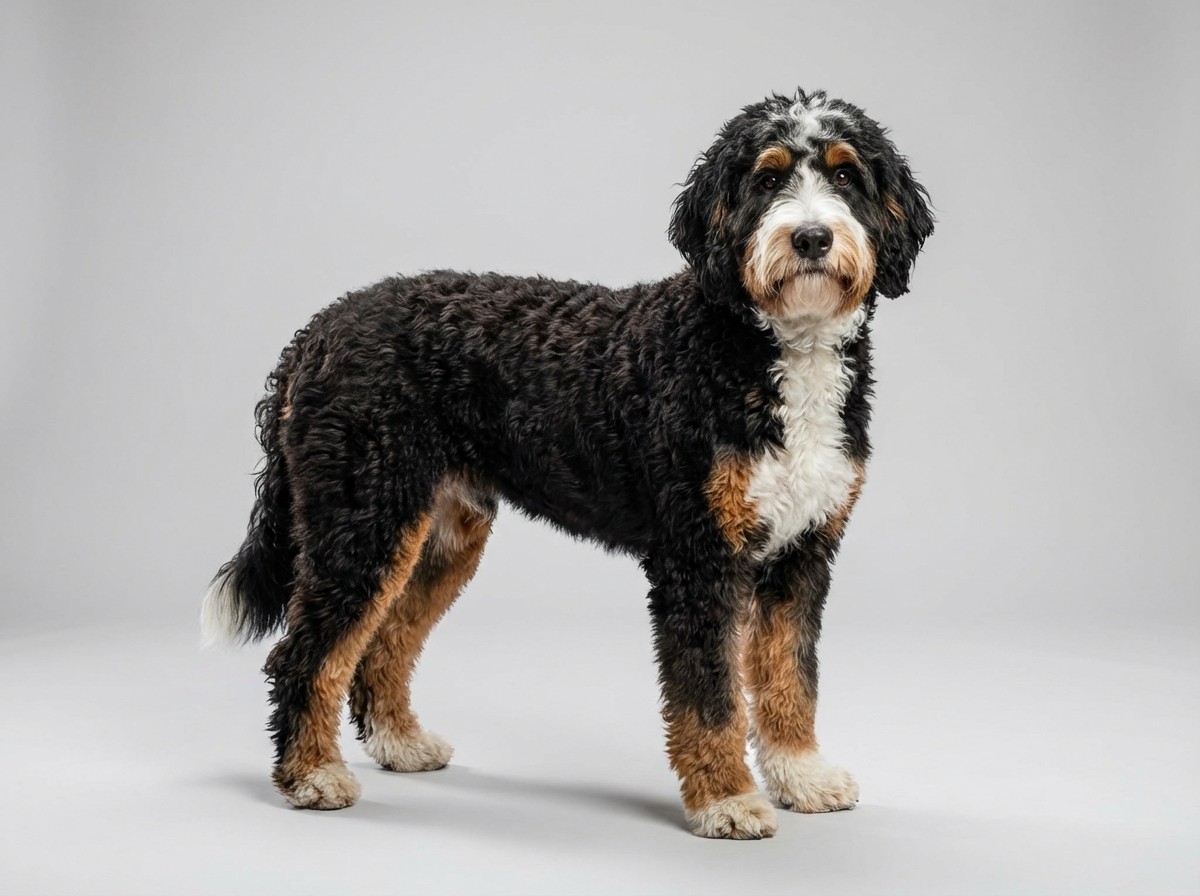
Bernedoodles are a mix of Bernese Mountain Dogs and Poodles, both of which can be prone to hip dysplasia. This genetic predisposition means that some Bernedoodles may inherit the tendency for malformed hip joints, leading to potential arthritis and mobility issues as they age.
Environmental factors also play a significant role in hip dysplasia. Poor nutrition, lack of exercise, and excessive weight gain can increase the risk. Moreover, improper training techniques, such as high-impact activities during puppyhood, can lead to joint problems.
If you notice signs of pain, such as limping or reluctance to stand or jump, it’s crucial to consult your vet. They can assess your Bernedoodle's joint health and recommend further diagnostics or treatment options.
Avoiding these common mistakes can help manage your Bernedoodle's hip dysplasia more effectively.
Start here: Bernedoodle Most Common Genetic Disorders: Screening
See all Bernedoodle health problems, which breeds are prone to hip dysplasia, or the full Bernedoodle breed guide for temperament, exercise needs and ownership costs.
You can expect to see improvements in your Bernedoodle's mobility and comfort within 3 to 6 months of starting treatment and management strategies.
Success means your dog shows increased mobility, reduced pain, and a better quality of life, allowing them to enjoy daily activities.
Emma, a busy nurse in Chicago, noticed that her Bernedoodle, Charlie, was limping and hesitant to play. After a vet visit, she learned that Charlie had hip dysplasia. Emma felt overwhelmed but was determined to help her furry friend. She started a combination of weight management, joint supplements, and gentle exercise routines. After a few months, Charlie was more energetic and could join Emma on short walks again. Their bond grew stronger as they navigated this journey together.
Key takeaway: With the right care and commitment, managing Bernedoodle hip dysplasia can significantly improve your dog's quality of life.
Bernedoodle hip dysplasia is often caused by genetic factors inherited from their parent breeds, the Bernese Mountain Dog and Poodle. Poor nutrition during growth and excessive weight can also contribute to this condition. Regular vet check-ups and appropriate exercise can help manage these risks.
To manage Bernedoodle hip dysplasia, focus on maintaining a healthy weight to reduce stress on their joints. Regular, low-impact exercises like swimming or walking can improve mobility. Additionally, consider joint supplements after consulting with your vet.
Symptoms of hip dysplasia can include difficulty rising, reluctance to walk or play, and decreased activity levels. You might also notice a swaying gait or signs of pain when getting up or lying down. If you see these symptoms, consult your vet for evaluation.
Surgery may be necessary for severe cases of Bernedoodle hip dysplasia, especially if conservative treatments fail. Options like hip replacement can provide relief and improve quality of life. Always discuss surgical options with your vet to determine the best course of action.
Hip dysplasia in Bernedoodles is often genetic, passed down from their parent breeds, the Bernese Mountain Dog and the Poodle. Environmental factors like obesity and lack of exercise can also contribute to the severity of the condition. Regular vet check-ups can help monitor and manage this issue.
Training can play a supportive role in managing Bernedoodle hip dysplasia. Teaching your dog gentle commands can encourage controlled movement and reduce strain on their joints. It's important to use positive reinforcement and avoid strenuous activities.
Yes, hip dysplasia can be managed in older Bernedoodles, but the approach may differ from that of younger dogs. Treatment options include weight management, anti-inflammatory medications, physical therapy, and in severe cases, surgery. Always consult your vet to determine the best plan for your dog.
A balanced diet is essential for managing Bernedoodle hip dysplasia. Maintaining a healthy weight can reduce stress on the joints, potentially lessening pain and improving mobility. Consider discussing a tailored diet plan with your vet to support your dog's joint health.
To help prevent hip dysplasia in Bernedoodles, focus on maintaining a healthy weight, providing regular exercise, and choosing high-quality food. Early socialization and training can also promote a healthy lifestyle. It's wise to consult your vet for specific advice tailored to your dog's needs.
Maintain a healthy weight, provide joint supplements, and engage in low-impact exercises. Consult your vet for personalized care.
Regular vet check-ups and observing your dog's activity levels are key. Watch for signs of discomfort or difficulty in movement.
Treatment costs can vary widely but expect to spend between $1,500 to $5,000 for surgery and ongoing care, depending on severity.
Yes, keeping your Bernedoodle at a healthy weight is crucial to reduce joint stress and manage hip dysplasia effectively.
Low-impact exercises like swimming and gentle walks are ideal. Avoid high-impact activities to prevent further joint strain.
A one-page prep sheet for this condition: the signs, the questions to ask, what to get priced. Unlocks here.
You get: Vet visit prep sheet
No spam. One-click unsubscribe. See our privacy policy.
Preview page 1 before you decide.