Behavior
What are some quick tips for Bernedoodle heat sensitivity?
Provide fresh water and shade, limit outdoor time during peak heat, and consider using cooling products. Always keep an eye on their behavior for signs of overheating.

Quick answer
What are some quick tips for Bernedoodle heat sensitivity?
Provide fresh water and shade, limit outdoor time during peak heat, and consider using cooling products. Always keep an eye on their behavior for signs of overheating.
Bernedoodles are at a higher risk of heat sensitivity and hyperthermia, especially in warm weather.

Owners of Bernedoodles, particularly those living in warmer climates or who enjoy outdoor activities, often face challenges in managing their dogs' heat sensitivity. This issue is especially concerning for first-time pet owners who may not be aware of the risks.
This guide is not medical advice. If your dog shows pain, sudden behavior change, or worsening symptoms, consult a licensed veterinarian.
Some links may be affiliate links. We may earn a commission at no extra cost to you. We only suggest products we believe are helpful for dog owners.
We research and check what we publish, but we do not warrant that any figure, date, price, or statement is accurate, complete, or current, and we accept no liability for any loss, cost, injury, or other harm arising from the use of this site. Use it as one reference among several. You remain responsible for your own decisions and for your dog's care - confirm anything that matters with a licensed veterinarian or another qualified professional before you act on it. Full disclaimer.
Check this first
Recognizing when your Bernedoodle's heat sensitivity and hyperthermia require immediate veterinary attention is crucial. If your dog exhibits severe symptoms such as excessive panting, drooling, weakness, or confusion, these are red flags. Additionally, if your Bernedoodle collapses, has a racing heart, or shows signs of seizures, you should call your vet immediately.
If any of these apply, call your vet or an emergency clinic now. The rest of this page is for the cases that are not an emergency.
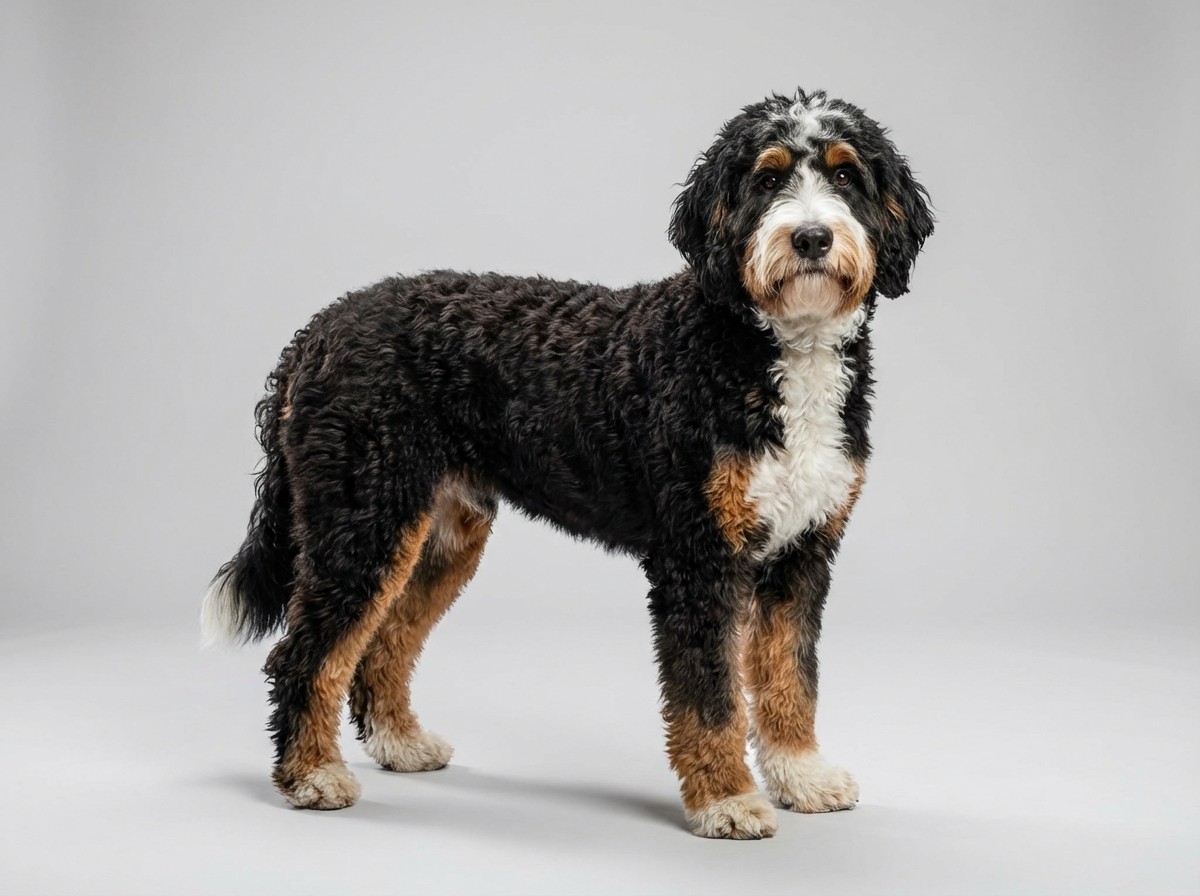
Bernedoodle heat sensitivity & hyperthermia can be a significant concern, especially during warm weather. These dogs often struggle with heat regulation due to their thick, wavy coats. This can lead to discomfort, lethargy, and in severe cases, heatstroke.
Heat sensitivity is quite common among Bernedoodles, largely due to their mixed heritage. They are at a 533% higher risk of heat-related issues compared to some other breeds. It's essential for owners to be vigilant during the summer months.
Bernedoodles have a thick, wavy to curly coat that can trap heat. Their medium energy level means they often enjoy outdoor activities, but this can put them at risk for overheating in hot weather. Additionally, some Bernedoodles may inherit heat sensitivity from their Bernese Mountain Dog parent.
Heat sensitivity can be worsened by environmental factors like high humidity and lack of shade. A dog's living situation, such as being in a small apartment without cool spaces, can also contribute. If they don't have access to water or cool areas, they are more likely to suffer from hyperthermia.
If you notice symptoms of heatstroke, such as excessive panting, lethargy, or vomiting, contact your vet immediately. Regular check-ups can also help identify any underlying health issues that may contribute to heat sensitivity.
Avoiding these common mistakes can help manage your Bernedoodle's heat sensitivity and reduce the risk of hyperthermia.
Start here: Bernedoodle Most Common Genetic Disorders: Screening
See all Bernedoodle health problems, which breeds are prone to heat sensitivity hyperthermia, or the full Bernedoodle breed guide for temperament, exercise needs and ownership costs.
With consistent care and management, you can see improvements in your Bernedoodle's heat sensitivity within 4-6 weeks.
Success means your Bernedoodle can enjoy outdoor activities comfortably, showing less anxiety in warm conditions and being able to stay cool during walks or playtime.
In less severe cases, you may see your Bernedoodle panting or showing mild signs of discomfort. If they are still responsive, drinking water, and can move to a cooler area, it's often safe to monitor them. Make sure to keep an eye on their behavior, and provide a cool, shaded spot to rest and hydrate.

Sarah, a first-time dog owner, loved taking her Bernedoodle, Max, to the park. However, she noticed that on hot days, Max would pant excessively and refuse to play. Concerned, Sarah learned about Bernedoodle heat sensitivity and began training him to recognize when to rest. She started bringing plenty of water and a cooling vest for Max. After a few weeks of gentle training and patience, Max learned to seek shade and take breaks when it was too hot. Now, both Sarah and Max enjoy their summer outings without worry.
Key takeaway: Understanding your Bernedoodle's needs in hot weather and providing the right resources can lead to enjoyable outdoor experiences for both of you.
Bernedoodles can be sensitive to heat due to their thick, wavy coats and moderate energy levels. They are at a higher risk for heatstroke, especially in warm weather. Understanding their unique traits can help you manage their comfort. This answer relates to Bernedoodle heat sensitivity & hyperthermia.
To keep your Bernedoodle cool, provide plenty of water and shade during outdoor activities. Limit exercise during peak heat hours and consider cooling mats or vests. Always watch for signs of overheating, like excessive panting or drooling.
Signs of heatstroke include heavy panting, lethargy, rapid heart rate, and confusion. If your Bernedoodle shows these symptoms, move them to a cool place and offer water. If symptoms persist, contact your vet immediately.
Training can help your Bernedoodle learn to recognize their limits in hot weather. Using positive reinforcement to encourage them to seek shade or water can be beneficial, but always prioritize their safety above training.
If your Bernedoodle shows signs of heat sensitivity, reduce their activity level and ensure they stay hydrated. Consider scheduling regular vet check-ups to monitor their health, especially during hot months.
Signs of heat sensitivity in a Bernedoodle can include excessive panting, drooling, weakness, or lethargy. If your dog seems disoriented or is having trouble breathing, it's important to cool them down and consult a vet immediately.
Yes, older Bernedoodles may be more susceptible to heat sensitivity due to decreased stamina and overall health. It's crucial to monitor them closely during hot weather and provide plenty of shade and water.
To help your Bernedoodle during hot weather, ensure they have access to cool, shaded areas and provide plenty of fresh water. You can also limit exercise to cooler times of the day and consider using cooling mats or vests.
If your Bernedoodle shows severe signs of heat sensitivity, such as collapsing, excessive panting, or confusion, you should seek veterinary care immediately. Quick action can prevent serious health complications.
Provide fresh water and shade, limit outdoor time during peak heat, and consider using cooling products. Always keep an eye on their behavior for signs of overheating.
Monthly costs for a Bernedoodle range from $120 to $220, including vet visits and cooling products. Budget for extra expenses in hot weather, like cooling mats.
Yes, Bernedoodles are more susceptible to heat sensitivity and hyperthermia due to their coat type. Awareness and proactive management are key to keeping them safe.
Move them to a cool place, offer water, and apply cool, wet cloths to their body. If they don’t improve quickly, seek veterinary help.
A one-page prep sheet for this condition: the signs, the questions to ask, what to get priced. Unlocks here.
You get: Vet visit prep sheet
No spam. One-click unsubscribe. See our privacy policy.
See a sample page before you decide.
Early access list
The free prep sheet covers the same-day warning signs, a symptom log and the questions to ask. We are considering a fuller kit that adds a cost worksheet for the usual tests and treatments (US price ranges with their sources) and a plain-English guide to ways of covering the bill. It is not built yet; this list tells us whether it is worth building.
One email, no spam, unsubscribe anytime. Information only, not veterinary advice.