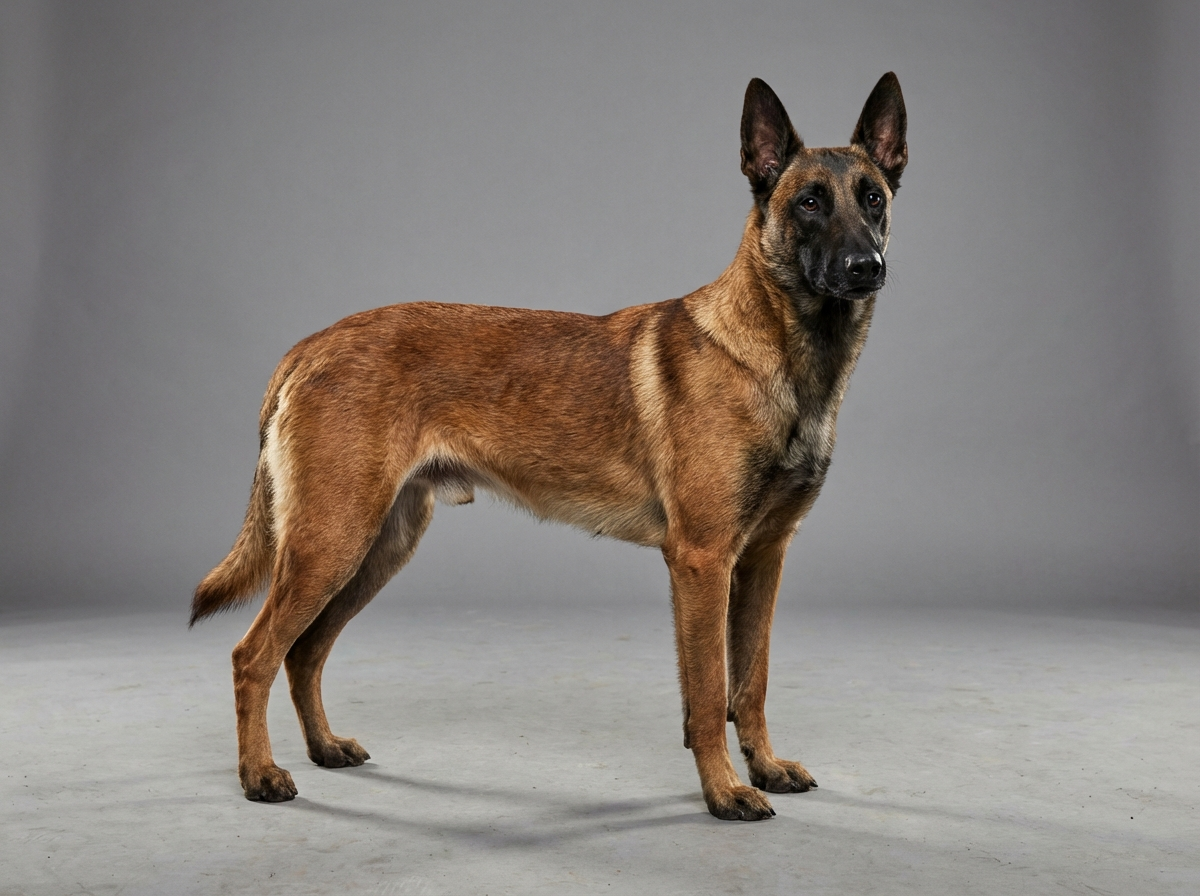
Behavior
What are quick tips for managing schnauzer comedo syndrome?
Regular grooming and using medicated shampoos can help manage schnauzer comedo syndrome effectively.

Quick answer
What are quick tips for managing schnauzer comedo syndrome?
Regular grooming and using medicated shampoos can help manage schnauzer comedo syndrome effectively.
Belgian Malinois schnauzer comedo syndrome is a skin condition that can cause discomfort for your dog. Understanding it is key to providing the right care.
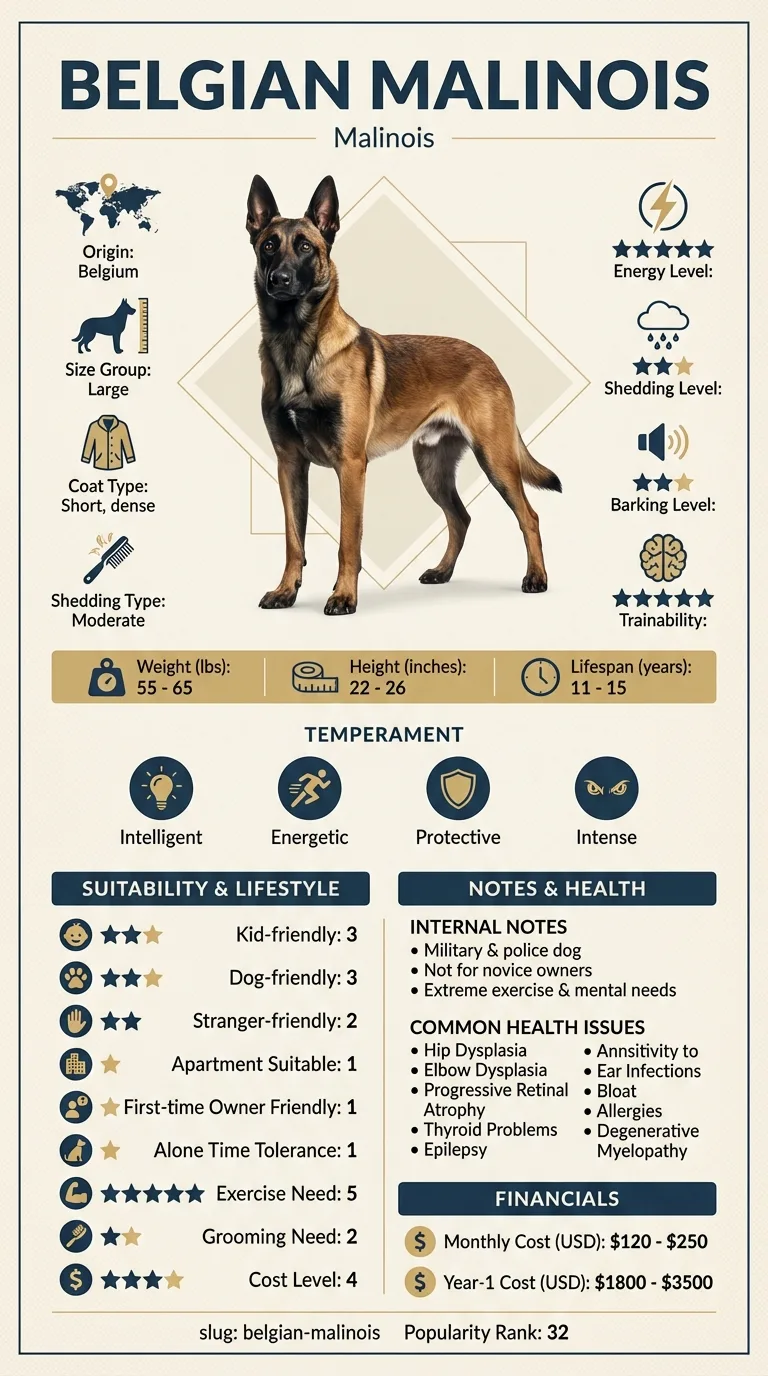
Owners of Belgian Malinois who notice unusual skin issues often face this challenge. It's particularly concerning for those who prioritize their dog's comfort and health.
This guide is not medical advice. If your dog shows pain, sudden behavior change, or worsening symptoms, consult a licensed veterinarian.
Some links may be affiliate links. We may earn a commission at no extra cost to you. We only suggest products we believe are helpful for dog owners.
We research and check what we publish, but we do not warrant that any figure, date, price, or statement is accurate, complete, or current, and we accept no liability for any loss, cost, injury, or other harm arising from the use of this site. Use it as one reference among several. You remain responsible for your own decisions and for your dog's care - confirm anything that matters with a licensed veterinarian or another qualified professional before you act on it. Full disclaimer.
Check this first
Recognizing when Belgian Malinois schnauzer comedo syndrome requires urgent veterinary attention is crucial. There are certain red flags that indicate it's time to call your vet immediately. If your dog shows signs of severe skin irritation, excessive itching, or open wounds, these are serious symptoms. Additionally, if you notice any swelling, discharge, or signs of infection, don't wait—get your dog to the vet right away.
On the flip side, there are milder cases of schnauzer comedo syndrome that can typically be monitored at home. If your Malinois has occasional blackheads or slight irritation without any severe symptoms, you can create a management plan. This might include regular grooming and monitoring skin condition. Keeping track of any changes will help you decide if a vet visit becomes necessary. Regular baths with prescribed medicated shampoo could also be part of your home care strategy.
In summary, serious symptoms like infection or severe irritation need immediate professional attention. However, mild cases can often be managed with careful observation and routine care. Always trust your instincts—if something feels off, it’s better to err on the side of caution and consult your vet.
If any of these apply, call your vet or an emergency clinic now. The rest of this page is for the cases that are not an emergency.
Belgian Malinois schnauzer comedo syndrome is a skin condition that causes blackheads and skin irritation. Daily, it can lead to scratching, licking, and discomfort for your dog. This condition is particularly common in Belgian Malinois and can be frustrating for owners as they try to manage their pet's skin health.
This syndrome is relatively common among Belgian Malinois, especially those with a history of skin issues. Many owners report experiencing symptoms in their dogs, making it an important topic for those considering this breed.
Belgian Malinois can be prone to Schnauzer Comedo Syndrome due to their genetics. This condition often affects breeds with similar skin types and coat structures. The Malinois has a dense coat that can trap oils and debris, leading to skin issues.
Environmental factors also play a role in this syndrome. Factors such as humidity, inadequate grooming, and allergens can irritate the skin. A lack of proper ventilation in your home may exacerbate the problem, making it crucial to maintain a clean living space.
If home remedies don't improve your dog's condition, or if you notice severe itching, redness, or swelling, it's time to consult a vet. They can provide a proper diagnosis and recommend treatment options.
Certain behaviors can unintentionally worsen Belgian Malinois schnauzer comedo syndrome. Here are some common mistakes to avoid.
Start here: Belgian Malinois Most Common Genetic Disorders: Screening
See all Belgian Malinois health problems, which breeds are prone to schnauzer comedo syndrome, or the full Belgian Malinois breed guide for temperament, exercise needs and ownership costs.
You can expect to see improvements in your Belgian Malinois within 4 to 8 weeks of consistent care and follow-up with your vet.
Success means reduced skin lesions, improved coat condition, and a happier dog. Regular grooming and a tailored diet will keep symptoms at bay.
Tina, a busy nurse in Chicago, adopted Max, her Belgian Malinois, only to discover he had Schnauzer Comedo Syndrome. Initially overwhelmed by the skin lesions, she learned about proper grooming and diet adjustments. After consulting her vet, she started a routine of regular baths with medicated shampoo and switched Max to a high-quality diet rich in omega fatty acids. Within a couple of months, Max's skin improved significantly, and he seemed more comfortable and playful.
Key takeaway: With the right grooming routine and diet, you can effectively manage Schnauzer Comedo Syndrome in your Belgian Malinois, leading to a happier and healthier dog.
Common signs include blackheads or pus-filled bumps on the skin, particularly around the back and neck. You might also notice excessive itching or irritation in affected areas. If you see these symptoms, it's important to consult your vet for proper diagnosis.
To manage this condition, regular grooming is essential. Bathing your dog with a medicated shampoo and keeping their skin clean can help reduce symptoms. Always consult your vet for the best treatment plan.
Groom your Belgian Malinois at least once a week to prevent clogged hair follicles. Use a gentle brush and consider products specifically designed for dogs with skin issues.
While some mild cases may improve with proper grooming and over-the-counter treatments, it's best to consult a veterinarian for effective treatment options. They might recommend medicated shampoos or topical treatments tailored to your dog's condition.
Sometimes, skin issues can be linked to diet. Consider discussing with your vet about hypoallergenic or specialized diets that might improve your dog's skin health.
Yes, older dogs can be more prone to skin conditions, including Schnauzer Comedo Syndrome. As your Belgian Malinois ages, regular veterinary check-ups are essential to monitor skin health and address any emerging issues promptly.
Diet can play a role in skin health. A balanced diet rich in omega fatty acids may help improve your dog's skin condition. However, always consult your vet before making significant changes to your dog's diet.
If your dog is experiencing severe itching, inflammation, or if the condition worsens despite home care, it's time to visit your vet. They can provide a comprehensive treatment plan to help alleviate your dog's discomfort.
Regular grooming and using medicated shampoos can help manage schnauzer comedo syndrome effectively.
Grooming your Belgian Malinois at least once a week is recommended to prevent skin issues like schnauzer comedo syndrome.
If your dog shows severe skin irritation, contact your vet immediately for a proper diagnosis and treatment plan.
A one-page prep sheet for this condition: the signs, the questions to ask, what to get priced. Unlocks here.
You get: Vet visit prep sheet
No spam. One-click unsubscribe. See our privacy policy.
Preview page 1 before you decide.